- Licensed Bhutanese tour operator
- Thimphu, Bhutan

Best time to visit Bhutan
Best time to visit Bhutan in 2027, month by month
Weather, festivals, crowds and prices for every month of 2027, plus the best season for treks, cranes, flowers and photography.
- Spring: March to May
- Autumn: late September to November
- 2027 festival dates included
The short answer
When is the best time to go to Bhutan?
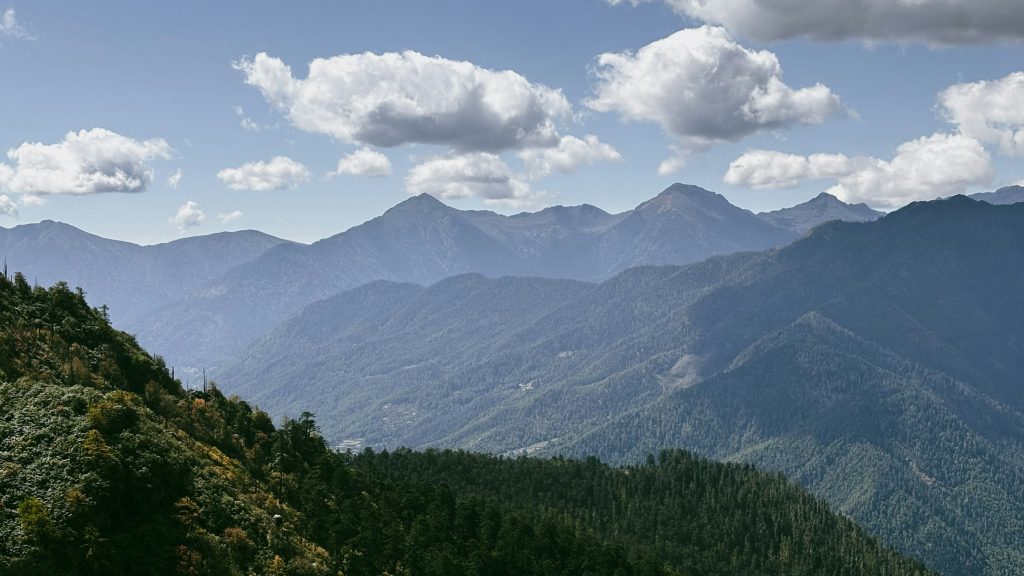
For most people, the best months are March to May and late September to November. Spring brings rhododendrons, warm days and Paro Tshechu. Autumn has the clearest skies of the year, the best Himalayan views and Thimphu Tshechu. These are also the busiest and most expensive months.
The rest of the year is underrated. December to February is cold but sunny, with black-necked cranes in Phobjikha and the Punakha festivals. June to August is the monsoon: wet, very green and quiet, with lower hotel rates. The right month depends on what you want to see.
- Clearest mountain views: October and November
- Flowers: April and early May
- Fewest visitors: June to August and January
Month by month
Bhutan weather and events by month
Rough daytime conditions in Paro and Thimphu. Punakha is several degrees warmer. Festival dates are expected 2027 dates.
| Month | Weather | What is on in 2027 | Crowds and prices |
|---|---|---|---|
| January | Sunny days, freezing nights | Cranes in Phobjikha | Very quiet, low rates |
| February | Cold, clearing, first blossom in Punakha | Punakha Drubchen 13 to 15 Feb, Punakha Tshechu 16 to 18 Feb | Quiet |
| March | Mild, some haze | Paro Tshechu 18 to 22 Mar, Gomphu Kora 16 to 18 Mar | Busy in Paro |
| April | Warm days, rhododendrons on the passes | Ura Yakchoe 18 to 22 Apr, Rhododendron Festival 22 to 23 Apr | Peak season |
| May | Warm, occasional showers | Good trekking early in the month | Moderate |
| June | Monsoon begins, humid | Nimalung and Kurjey Tshechu in Bumthang | Quiet, lower rates |
| July | Wettest month, very green | Summer events in Haa | Very quiet |
| August | Wet, warm | Fruit and vegetables in season | Very quiet |
| September | Rains ending, clearing late in the month | Tour of the Dragon 5 Sep | Building |
| October | Clear, dry, best views | Thimphu Tshechu 10 to 12 Oct, Royal Highland Festival 23 to 24 Oct | Peak season |
| November | Crisp and clear | Jakar Tshechu 6 to 9 Nov, Crane Festival 11 Nov | Busy early, quieter later |
| December | Cold, very clear | Trashigang and Mongar Tshechu, Druk Wangyel at Dochula 13 Dec | Quiet |
The four seasons
Bhutan's seasons at a glance
Spring, March to May
Rhododendrons, magnolias and warm days. Haze can hide distant peaks. Peak season in April.
Summer, June to August
Monsoon rain, mostly in the afternoons. Lush valleys, leeches on forest trails, and few visitors.
Autumn, September to November
Clear skies, harvest colours and the biggest festivals. The most popular time to visit.
Winter, December to February
Cold nights, bright days, cranes and snow on the passes. Some high treks close.
By interest
Best time to visit Bhutan for what you want to do
| Interest | Best months | Why |
|---|---|---|
| First visit, culture | March to May, October to November | Settled weather and festivals |
| Festivals | February, March, October, November | Punakha, Paro, Thimphu and Jakar festivals |
| Trekking | April to May, October to early November | Dry trails and open passes |
| Mountain views | October to December | Clearest air of the year |
| Rhododendrons | April | Peak flowering on Dochula and other passes |
| Black-necked cranes | Late October to February | Winter roosting in Phobjikha and Bumdeling |
| Birdwatching | March to May | Breeding season and migrants |
| Lower prices | June to August, January | Fewer visitors and lower hotel rates |
| Photography | October to November | Clear light, festivals and harvest fields |
In more detail
Choosing between spring, autumn and the quieter months
Spring
Spring is when Bhutan looks its softest. Rhododendrons flower in reds and pinks along Dochula and the Pele La, and valleys turn green as farmers plant rice. Paro Tshechu in March is the biggest festival of the year. The catch is haze. Distant peaks are often hidden in April and May, so if mountain views are your priority, choose autumn.
Autumn
From late September, the monsoon clears and the air turns sharp and clean. On a good October morning you can see the Himalaya from Dochula. Rice fields in Paro and Punakha turn gold before harvest. This is the most popular time to come, so book three to six months ahead, especially for Thimphu Tshechu.
Winter
Winter surprises people. Days in Paro are often bright and calm, and Punakha stays mild enough for lunch outside. The black-necked cranes arrive in Phobjikha from late October. Nights are properly cold, and some high passes get snow, which can close roads for a few hours. Pack well and you will have the sights almost to yourself.
The monsoon
Summer rain mostly falls in the afternoons and at night. Mornings can be clear. The countryside is at its greenest, and hotels are quiet and cheaper. Expect the odd landslide delay on long drives and leeches on forest trails. For a culture-focused trip with flexible plans, it works well.
Weather by valley
Why the weather changes so much within Bhutan
Bhutan rises from about 100 metres on the Indian border to over 7,000 metres in the north, so one trip can cross several climates. Punakha and Wangdue, at around 1,200 metres, are warm enough for oranges and rice and pleasant even in January. Paro, Thimphu and Bumthang, at 2,200 to 2,800 metres, have cold winters and mild summers. The passes between them, from Dochula at about 3,100 metres to Thrumshing La, can be snowy when the valleys are clear.
Down in the south, around Phuentsholing and Gelephu, it is subtropical and humid, with the heaviest monsoon rain. Up in the high north it stays cold all year. When we plan a winter trip, we often put an extra night in Punakha. For a summer trip, we keep long drives to the mornings, when the roads are clearer and the clouds higher.
Timing a festival
If a festival is the reason for your trip, start with the date and build the rest around it. Paro and Thimphu fill quickly, so book three to six months ahead. Smaller festivals, such as Gangtey in October or Jakar in November, are easier to plan and feel more local. Festival dates follow the lunar calendar and are tentative until confirmed, so we always leave a spare day.
Best time to visit Bhutan: questions
October is the most popular month for clear views and Thimphu Tshechu. April is the best month for flowers. Both are busy, so book early.
Yes, if you dress warmly. Days are clear and sunny, cranes are in Phobjikha and there are few visitors.
Not necessarily. Culture trips work well, prices are lower and the valleys are green. Avoid high treks and allow extra time for drives.
Snow falls on high passes and in some valleys between December and February. Paro and Thimphu see light snow some years.
June to August and January usually have the lowest hotel rates. The SDF stays the same all year.
Paro Tshechu is expected on 18 to 22 March 2027.
Keep planning
More Bhutan travel guides
Free trip planning
Find the right dates for your trip
Tell us what you want to see and when you could travel. We will suggest the best dates and send a full itinerary.
- Free personalised consultation
- No booking fees, ever
- A reply within 24 hours
- Licensed Bhutanese tour operator
- +975 17533776
- +975 77495028
- info@deyabhutantours.com
- Thimphu, Bhutan
Let's plan your Bhutan journey
Tell us a little about your trip. Our team in Thimphu will reply with ideas, a day-by-day plan and a full price.
We’ll reply within 24 hours. No booking fees, and no obligation to book.
