- Licensed Bhutanese tour operator
- Thimphu, Bhutan
Photography tour · 13 days, 12 nights
13 Day Bhutan Wildlife Photography Tour: Red Panda Country, Golden Langurs and Royal Manas
Thirteen days from the alpine passes to the subtropical south: pheasants at Chele La, red panda habitat near Thrumshing La, golden langurs around Tingtibi and the rivers of Royal Manas National Park.
- 13 days, 12 nights
- Alpine to subtropical
- Best November to April
70%+
Of Bhutan under forest
Royal Manas
Bhutan’s oldest national park
3,750 m
Thrumshing La, about
Private
Naturalist guide and car
Trip overview
Bhutan's wild side, top to bottom
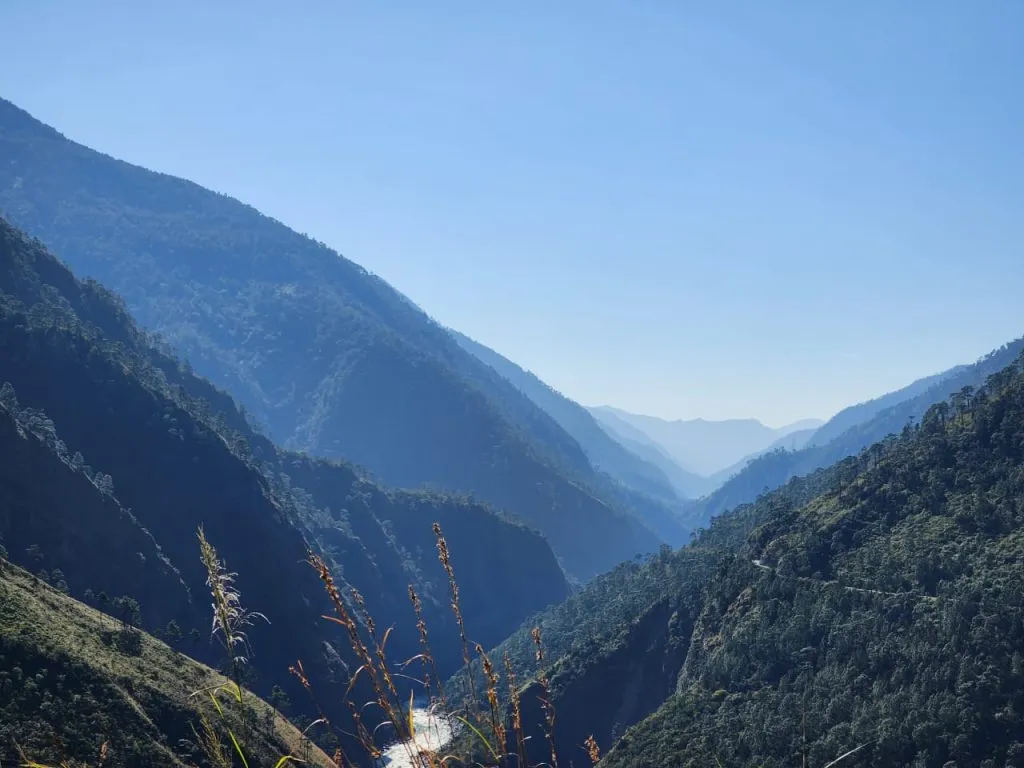
Bhutan keeps more than 70 percent of its land under forest, and its constitution commits it to keep at least 60 percent forested for all time. That forest stretches from alpine meadows near Tibet to subtropical jungle on the Indian border, and it holds red pandas, golden langurs, takins, Himalayan black bears, hornbills and, in the south, elephants, gaur and tigers. For a wildlife photographer, the challenge is that these animals are shy and the forest is thick. Patience and a guide who knows where to look make all the difference.
This trip works through the altitude zones. We start at Chele La for pheasants and alpine views, fly to Bumthang, and spend two days in the cool forests around Ura and Thrumshing La, which are red panda habitat. Then we drop south through Trongsa to Tingtibi, where golden langurs live along the road, and on to Panbang on the edge of Royal Manas National Park. A day on the Manas river by raft or boat gives a different view of the park. We come back north through Trongsa and Phobjikha to Paro.
Wildlife sightings are never certain, and we don’t pretend otherwise. What we can promise is time in the right places, at the right hours, with a guide who knows the signs.
- Every altitude zone, from 3,900 m to the Manas river
- Golden langurs near Tingtibi
- A river day in Royal Manas National Park
Highlights
What you may photograph
Red panda
Shy and hard to find, in fir and bamboo forest around Thrumshing La.
Golden langur
Found only in Bhutan and nearby Assam, often near Tingtibi.
Himalayan monal
Bhutan's most colourful pheasant, at Chele La.
Royal Manas
Subtropical forest and the wide Manas river.
Hornbills
Great and rufous-necked hornbills in the south.
Phobjikha
Cranes from late October to February.
Itinerary at a glance
Thirteen days, every habitat
Early starts every day. Your guide adapts sites to recent sightings.
Day 1: Arrive in Paro
Land in Paro, riverside walk.
Day 2: Chele La
Dawn at Chele La for pheasants, Haa valley views.
Day 3: Fly to Bumthang
Domestic flight, Bumthang valleys.
Day 4: To Ura
Ura village, forests towards Thrumshing La.
Day 5: Thrumshing La
Dawn and dusk searches for red panda.
Day 6: To Trongsa
Yotong La, Trongsa Dzong.
Day 7: To Tingtibi
South through Zhemgang, golden langurs.
Day 8: To Panbang
South to the edge of Royal Manas.
Day 9: Royal Manas
A day on the Manas river by raft or boat.
Day 10: To Trongsa
Back north through Zhemgang.
Day 11: To Phobjikha
Pele La, the Phobjikha valley.
Day 12: To Paro
Dawn cranes, Dochula, Paro.
Day 13: Depart
Transfer to Paro airport.
Day 1
Arrive in Paro
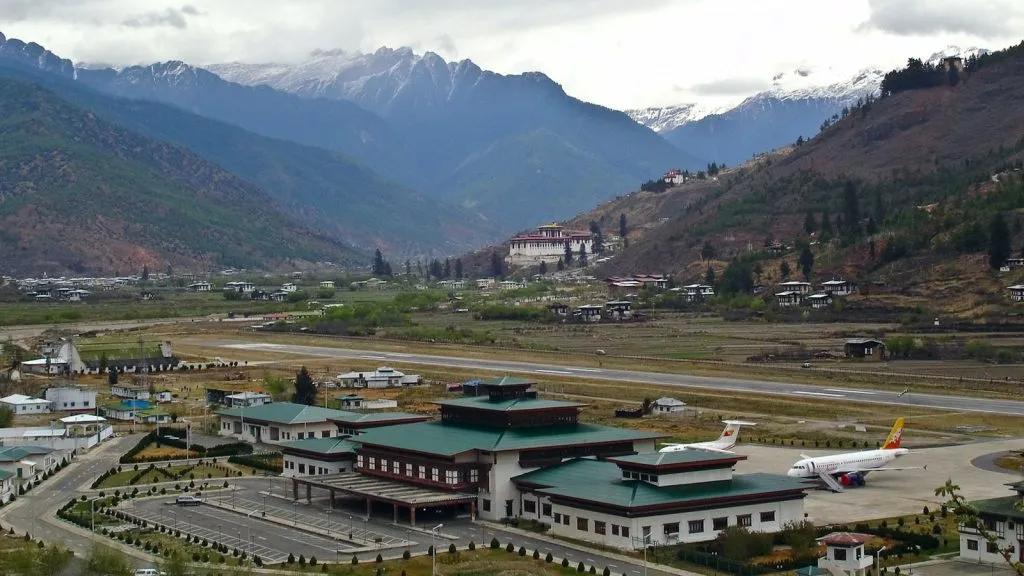
Your naturalist guide meets you at Paro airport. In the afternoon we walk along the Paro Chhu, where river birds such as the white-capped redstart and plumbeous water redstart are common. We talk through the plan, the animals we are looking for and the habits of each.
- Overnight: Paro
- Activity: easy walk
- Meals: lunch and dinner
Day 2
Chele La at dawn
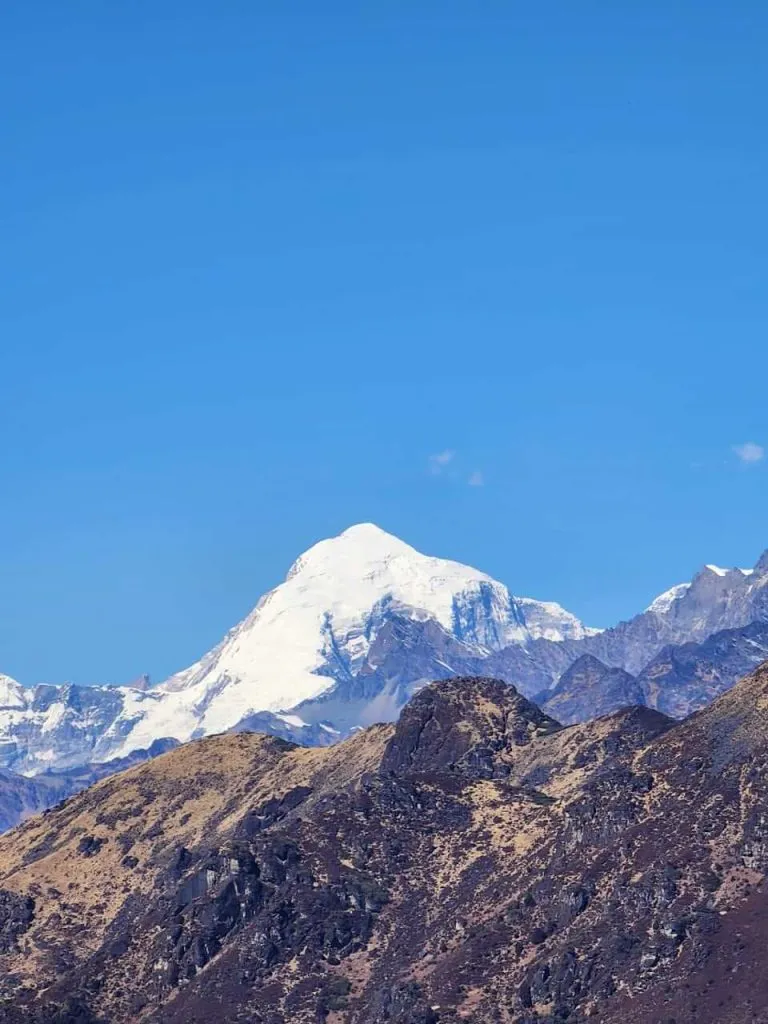
We leave before dawn for Chele La, at about 3,988 metres, the highest road pass in western Bhutan. Early in the morning, Himalayan monal and blood pheasant feed along the roadside in the fir and rhododendron forest. On a clear day the view reaches Jomolhari. We return to Paro in the afternoon.
- Overnight: Paro
- Drive: about 1.5 hours each way
- Altitude: about 3,988 metres
Day 3
Fly to Bumthang
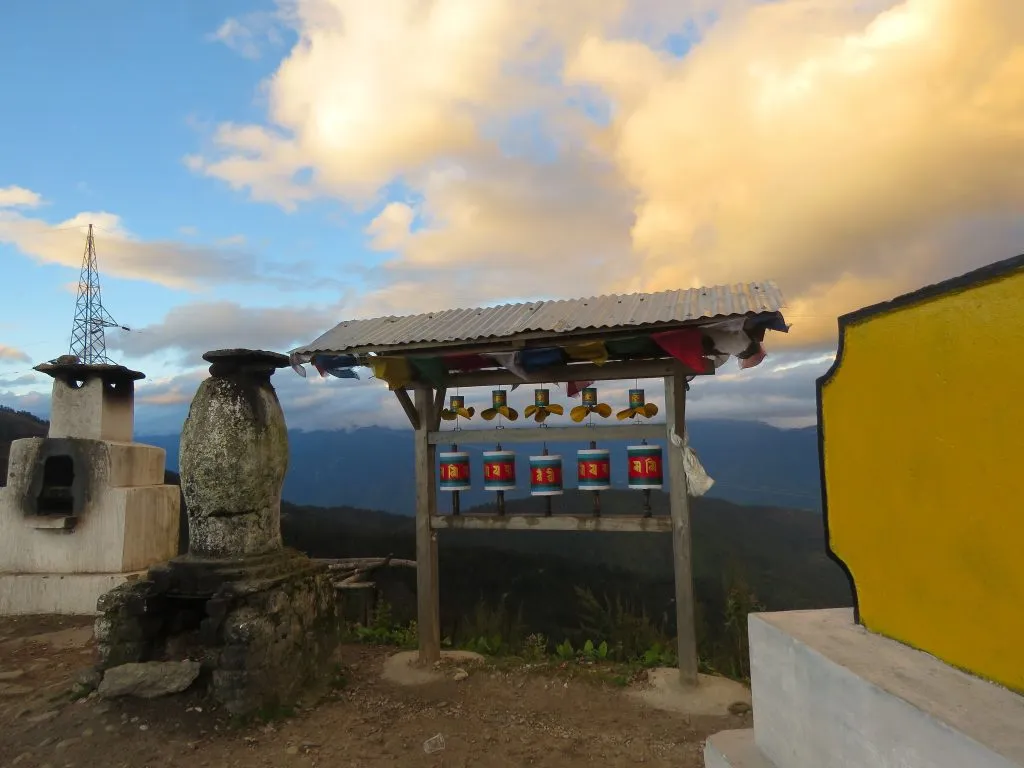
We fly from Paro to Bumthang, about 30 minutes over the mountains. In the afternoon we walk the Chamkhar valley and visit Jambay Lhakhang. Bumthang’s pine forests are good for nutcrackers and woodpeckers.
- Overnight: Bumthang
- Flight: about 30 minutes
- Meals: breakfast, lunch and dinner
Day 4
Into red panda country
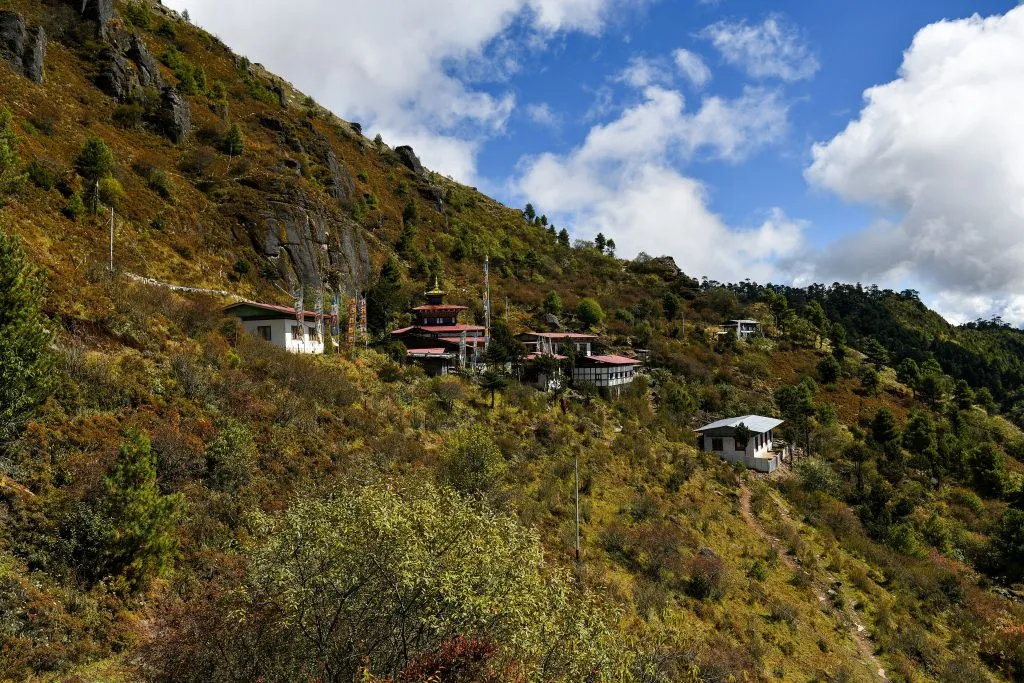
We drive east over Shertang La to Ura and on into the forests below Thrumshing La. Red pandas live in mixed forest of fir, oak and bamboo between about 2,500 and 3,800 metres. They spend much of the day high in trees, so your guide looks for droppings and fresh signs. We spend the afternoon on quiet forest roads and trails.
- Overnight: Ura or Sengor
- Drive: about 2 to 3 hours
- Stay: simple lodge or homestay
Day 5
A full day around Thrumshing La
A full day in Thrumshing La National Park. We search at dawn and late afternoon, when red pandas are most active, and rest in the middle of the day. The forest also holds satyr tragopan, Himalayan black bear and many birds. Sightings of red panda are never guaranteed, but this is one of the best areas in Bhutan to try. We drive back to Bumthang in the evening.
- Overnight: Bumthang
- Activity: forest walks and slow drives
- Tip: dress warmly for dawn
Day 6
West to Trongsa
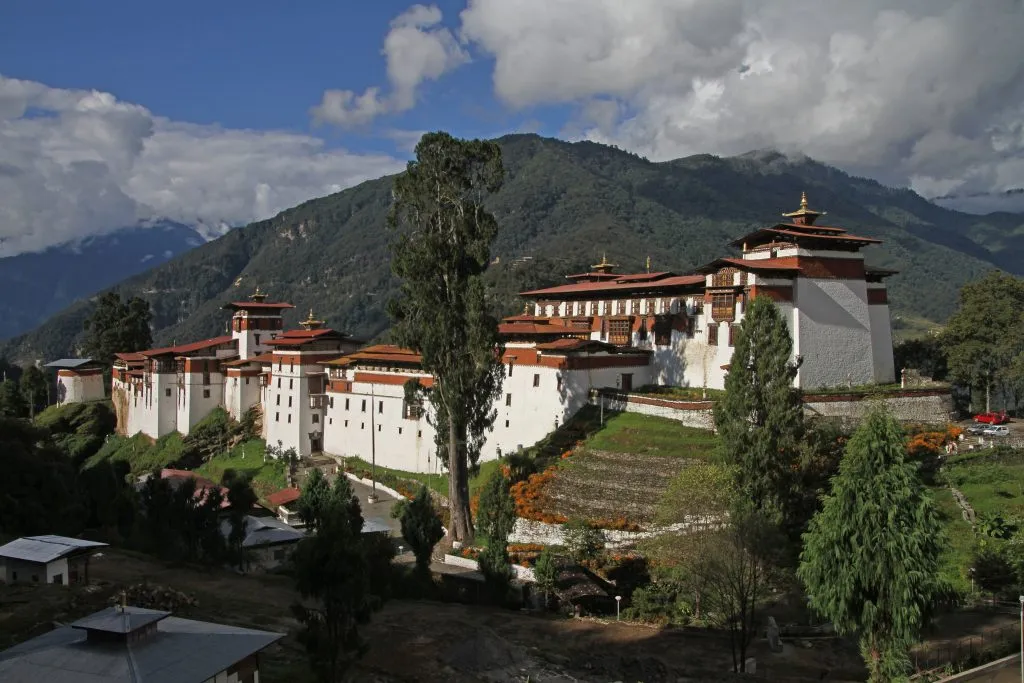
We drive over Yotong La to Trongsa, stopping for birds in the forest on the pass. In the afternoon we photograph Trongsa Dzong from the viewpoint across the gorge and visit the Tower of Trongsa museum.
- Overnight: Trongsa
- Drive: about 3 hours
- Meals: breakfast, lunch and dinner
Day 7
Down to golden langur country
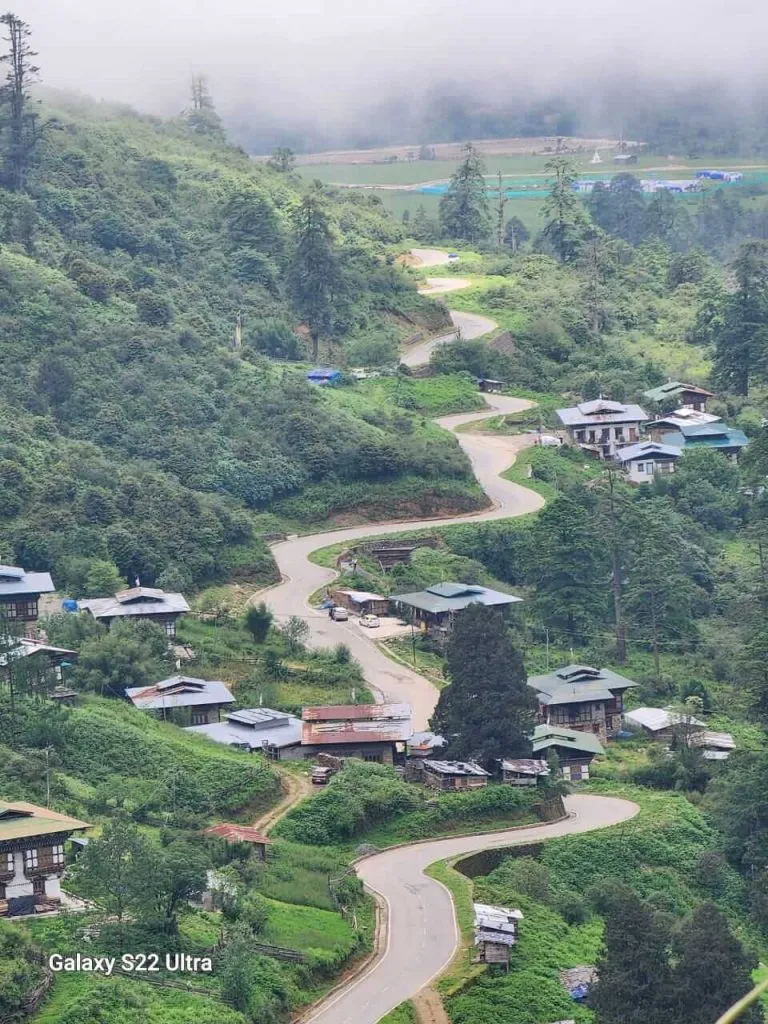
The road south from Trongsa drops through warm broadleaf forest towards Zhemgang and Tingtibi. Golden langurs, a creamy-gold monkey found only in Bhutan and a small part of Assam, are often seen in the trees along this road, especially in the morning and late afternoon. The forest is also good for hornbills.
- Overnight: Tingtibi
- Drive: about 5 hours with stops
- Stay: simple lodge
Day 8
On to Panbang
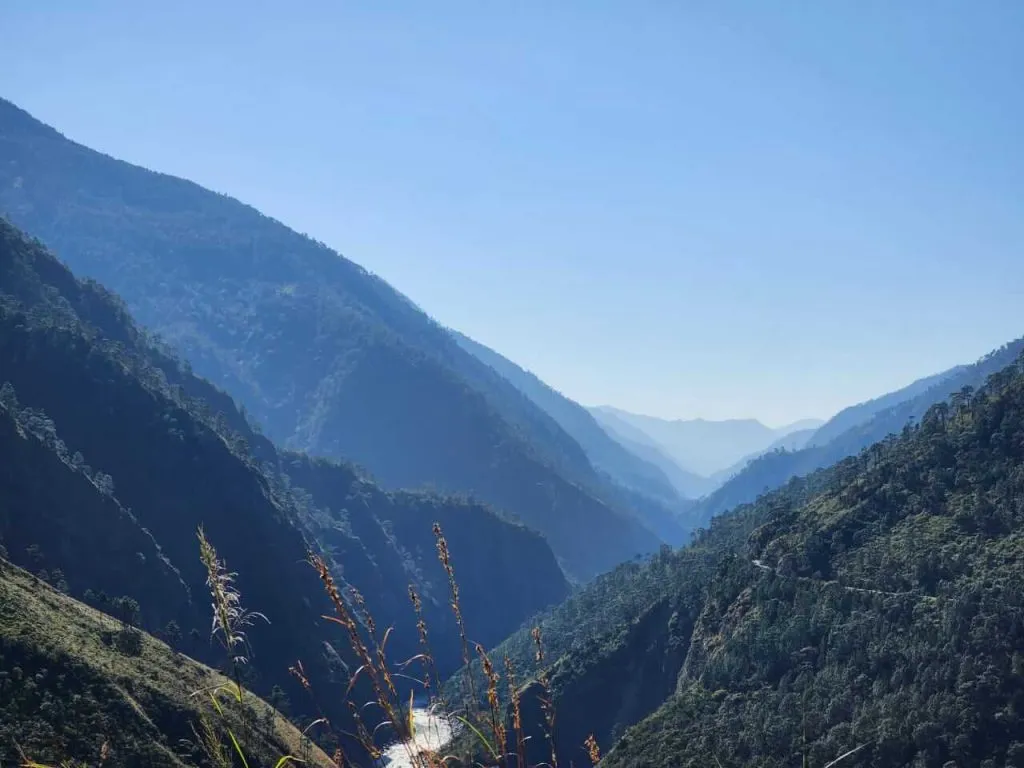
We continue south to Panbang, a small town near the Manas river on the edge of Royal Manas National Park, Bhutan’s oldest protected area. The park joins India’s Manas National Park across the border, and together they make a large protected landscape. We stay in a community eco-camp or lodge.
- Overnight: Panbang
- Drive: about 4 hours
- Stay: eco-camp or lodge
Day 9
A day on the Manas river
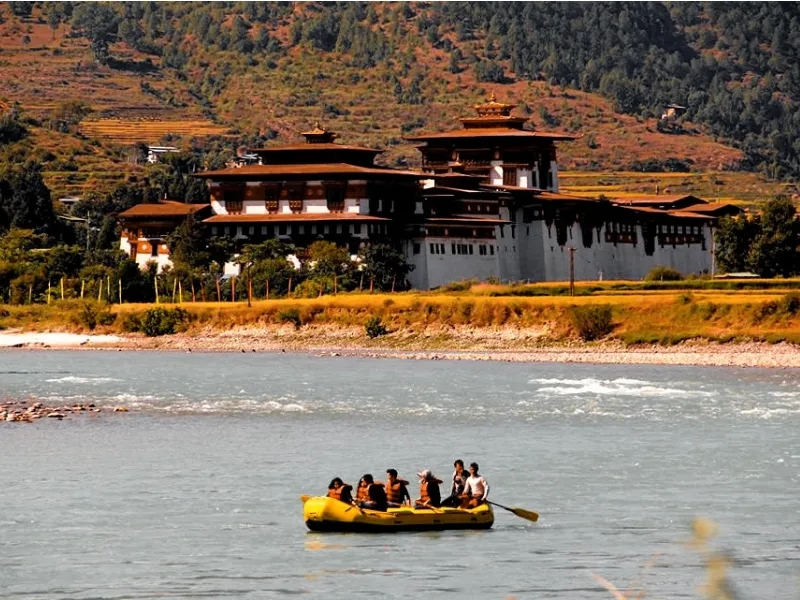
We spend the day on the Manas river, by raft or local boat depending on water levels, with guides from the Panbang community. The river gives open views of forested banks where hornbills, kingfishers and river birds are common, and larger animals such as gaur and elephants are sometimes seen. Tigers live in the park but are very rarely seen.
- Overnight: Panbang
- Activity: river trip, half or full day
- Note: depends on water levels
Day 10
North to Trongsa
A long drive north through Tingtibi and Zhemgang to Trongsa, about eight hours with stops. Morning stops in the langur forest give a second chance for pictures.
- Overnight: Trongsa
- Drive: about 8 hours with stops
- Meals: breakfast, lunch and dinner
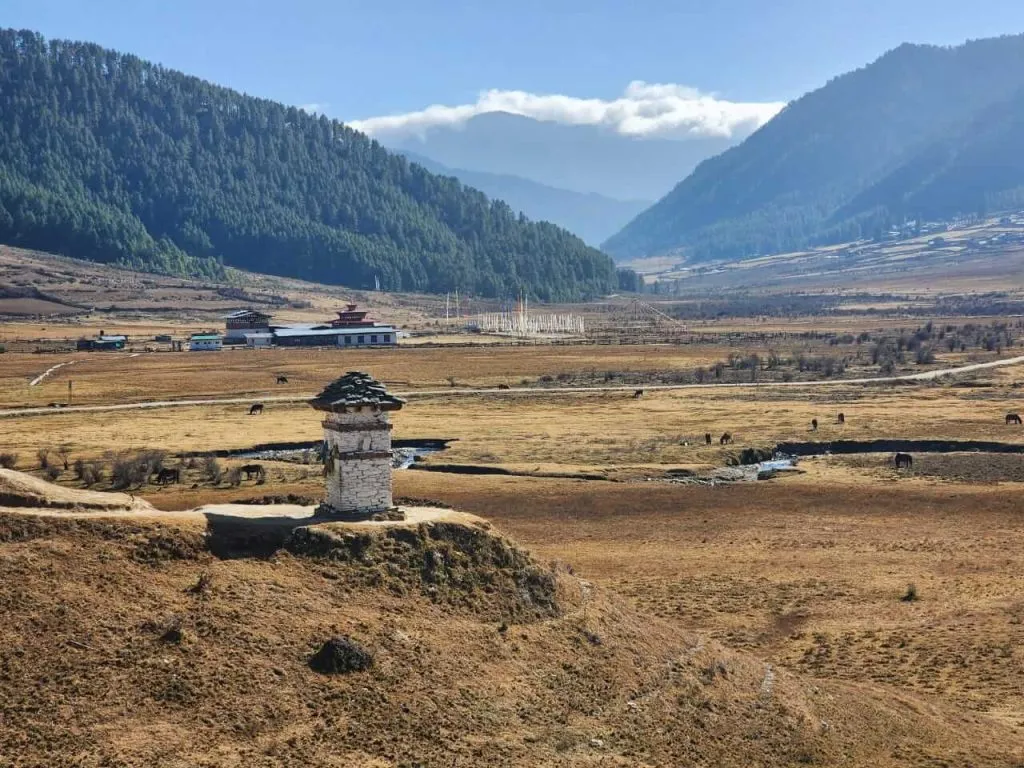
Day 11
Over Pele La to Phobjikha
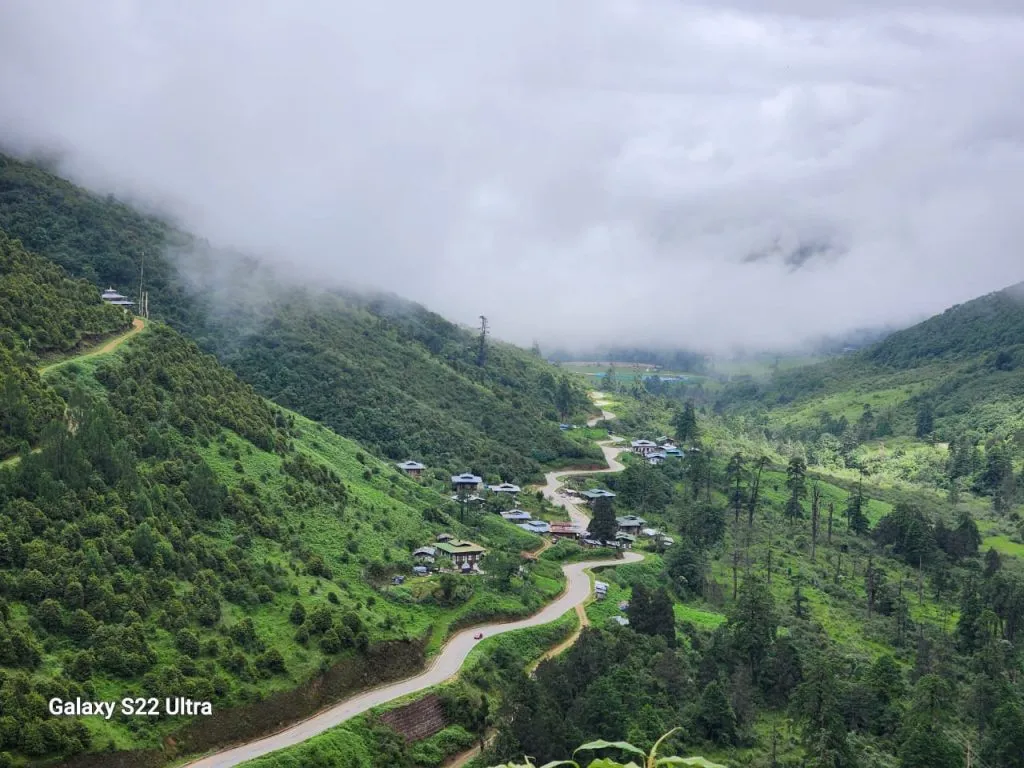
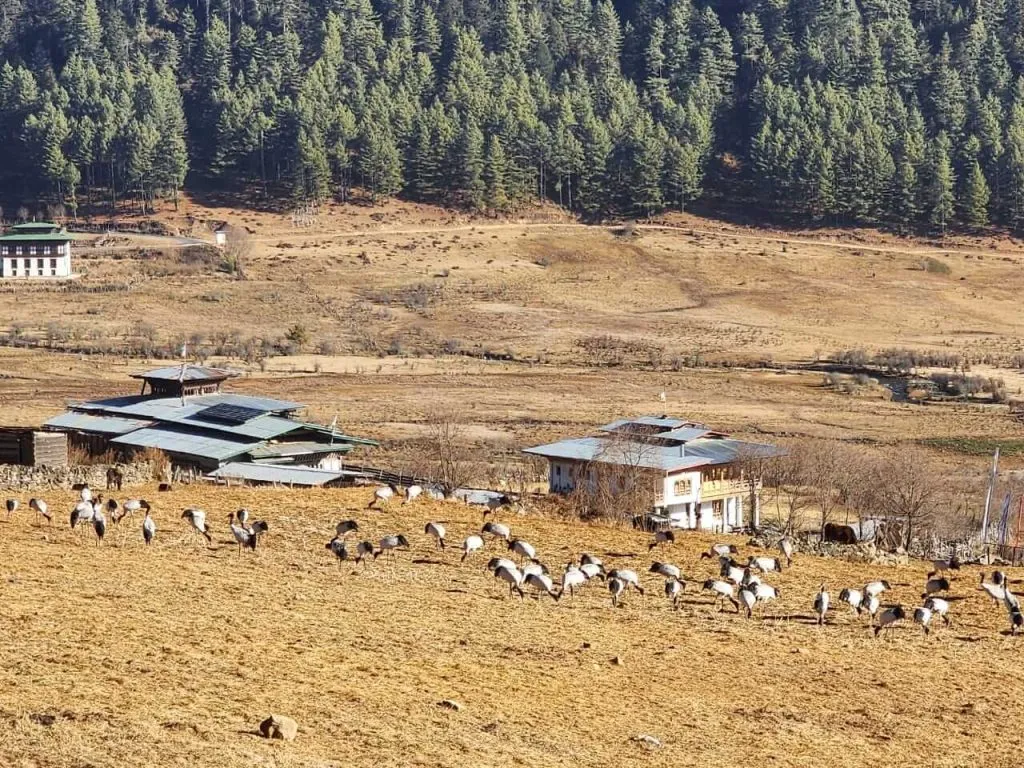
We cross Pele La, where yaks graze near the pass, and drop into the Phobjikha valley. From late October to February black-necked cranes winter here, and we spend the late afternoon at the edge of the valley with long lenses. The Black-necked Crane Information Centre has a viewing area.
- Overnight: Phobjikha
- Drive: about 4 hours
- Cranes: late October to February
Day 12
Back to Paro
One more dawn session with the cranes if they are in the valley, then we drive back west over Dochula to Paro, about six hours with stops.
- Overnight: Paro
- Drive: about 6 hours with stops
- Meals: breakfast, lunch and dinner
Day 13
Fly home
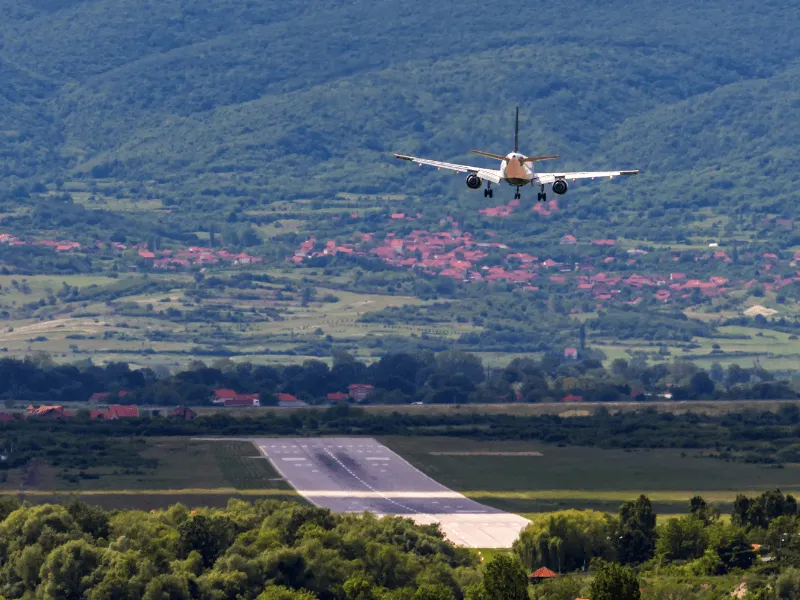
After breakfast your guide drives you to Paro airport for your flight.
- Transfer: about 15 minutes
- Meals: breakfast
Where you stay
Where you stay
Comfortable hotels in towns, simple lodges near the wildlife.
| Nights | Place | Where you stay | Why we chose it |
|---|---|---|---|
| 1 and 2 | Paro | 3-star or 4-star hotel | Base for Chele La |
| 3 | Bumthang | 3-star or 4-star hotel | Chamkhar valley |
| 4 | Ura or Sengor | Simple lodge or homestay | Close to the forest |
| 5 | Bumthang | 3-star or 4-star hotel | After Thrumshing La |
| 6 and 10 | Trongsa | 3-star hotel | Central Bhutan |
| 7 | Tingtibi | Simple lodge | Langur country |
| 8 and 9 | Panbang | Eco-camp or lodge | Edge of Royal Manas |
| 11 | Phobjikha | Lodge | Crane valley |
| 12 | Paro | 3-star or 4-star hotel | Last night |
Lodges in the south are basic. The wildlife makes up for it.
What the price covers
Included and not included
Included
- Bhutan visa (USD 40) and the Sustainable Development Fee for every night
- Hotels as listed, 3-star as standard, with 4-star and luxury upgrades on request
- All meals: breakfast, lunch and dinner
- A licensed English-speaking guide for the whole trip
- A naturalist guide who knows animal signs and habits
- Domestic flight from Paro to Bumthang
- Park permits and the river trip at Panbang
- Private car or SUV with a Bhutanese driver, and all transfers
- Entry fees to dzongs, temples and museums
- Bottled water in the car
Not included
- International flights into and out of Paro (we can book them for you)
- Travel insurance, which we strongly recommend
- Drinks, laundry and other personal costs
- Tips for your guide and driver
- Anything not listed under included
Price on request
Tell us your budget and we will send our best price
We don’t publish one fixed price, because hotels, season and group size change the total a lot. Tell us your dates, who is travelling and the budget you have in mind. We will reply within 24 hours with our best price for this wildlife photography tour.
How we price
What decides the cost of this trip
Government fees
The SDF is USD 100 per adult per night until 31 August 2027, plus a USD 40 visa. These are fixed by the Government of Bhutan and paid through us.
Hotels you choose
The domestic flight and the river trip are the main extras. Group size changes the total a lot.
Season and dates
Spring and autumn are peak season. Winter and summer dates are often easier to price well.
Group size
Guide and car costs are shared, so the price per person drops for two, three or four travellers.
We send a written, itemised quote before you pay anything. No booking fees.
Good to know
Planning notes for wildlife photographers
Honest odds
We want you to know what to expect. Golden langurs are seen on most trips around Tingtibi. Pheasants at Chele La are likely on a clear morning in spring. Red pandas are hard: some groups see one, many don’t. Tigers in Royal Manas are almost never seen. We plan for the best chance and keep the trip rewarding even when the rarest animals stay hidden.
Best seasons
November to April is the best time. Cold months push animals lower and leaves thin out, making them easier to see. Cranes are in Phobjikha from late October to February. The monsoon, from June to September, brings leeches, landslides and high rivers in the south, so we don’t run this trip then.
Bhutan's protected areas
More than half of Bhutan is inside national parks, wildlife sanctuaries and the corridors that link them. Royal Manas, Thrumshing La and Jigme Singye Wangchuck National Parks all lie on this route. Park rules ask you to stay on roads and trails, keep noise down and never feed animals.
Lenses for wildlife
A 100 to 400 mm or 150 to 600 mm zoom is the main lens. A teleconverter helps with birds. Forest light is low, so bring a camera that handles high ISO. A beanbag for car windows is more useful than a tripod on most days.
Photography rules in Bhutan
You can photograph the outside of dzongs, temples and courtyards freely, and festival dances in courtyards are open to cameras. Inside shrine rooms, photography is not allowed anywhere in the country, and your guide will tell you where each building’s line is. Ask before taking close portraits of monks, nuns and villagers; most people say yes, and a smile and a look at the back of the camera go a long way. Read our Bhutan travel rules guide before you fly.
Drones
Flying a drone in Bhutan needs prior approval from the Bhutan Civil Aviation Authority, and some sites, including dzongs, the airport area and royal buildings, are off limits. Send us the drone model and your plan at least a month before you travel and we will apply for you. Approval is not guaranteed, so please don’t plan a whole shoot around aerial shots. Never carry a drone in without approval; customs can hold it until you leave.
Health in the south
The southern lowlands are warm and humid. Bring insect repellent, long sleeves for evenings and any medicines your doctor recommends for the area. Drink only bottled or boiled water, which we provide in the car.
Visa, SDF and guide rules
Every visitor except Indian nationals needs a visa, which costs USD 40 and is issued online before you fly. The Sustainable Development Fee is USD 100 per adult per night until 31 August 2027, with half rates for children aged 6 to 11. A Department of Tourism notice from April 2026 confirms that visitors travel with a licensed guide. We file the visa and pay the SDF for you. Read more in our Bhutan visa guide and SDF guide.
Flying into Paro
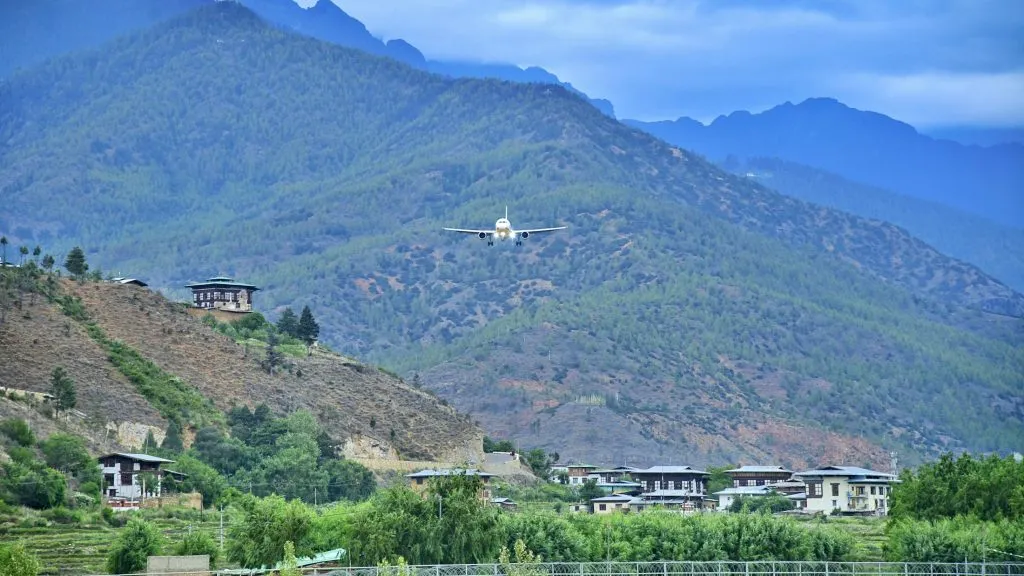
Only Drukair and Bhutan Airlines fly into Paro, mainly from Bangkok, Delhi, Kathmandu, Kolkata and Singapore. Pilots land by sight between the ridges, so morning flights are the most reliable. We suggest a night in your hub city on the way in. Our flights to Bhutan page lists every route.
Wildlife photography tour: questions
It depends on your hotels, group size and dates. Tell us your budget and we will reply within 24 hours with our best price, including the SDF, visa, hotels, meals, guide and car.
Maybe. This is one of the best areas in Bhutan to look, but sightings are never guaranteed.
Only in Bhutan and a small area of Assam. In Bhutan they are often seen near Tingtibi and Zhemgang.
Bhutan’s oldest national park, in the subtropical south, linked to India’s Manas National Park.
Yes. It runs with local guides and only when water levels are suitable.
Town hotels are comfortable. Lodges at Tingtibi and Panbang are simple.
A long zoom reaching 400 to 600 mm, plus a wide lens for landscapes.
Four to six months ahead.
Price on request
Ask for your best price
Tell us your dates, the animals you hope to see and your budget. We will reply within 24 hours with our best price for this wildlife photography tour.
- Share your budget, we shape the trip around it
- No booking fees, ever
- A reply within 24 hours
- Licensed Bhutanese tour operator
- +975 17533776
- +975 77495028
- info@deyabhutantours.com
- Thimphu, Bhutan
Let's plan your Bhutan journey
Tell us a little about your trip. Our team in Thimphu will reply with ideas, a day-by-day plan and a full price.
We’ll reply within 24 hours. No booking fees, and no obligation to book.