- Licensed Bhutanese tour operator
- Thimphu, Bhutan
Trek · 9 days, 8 nights · 6 days on trail
Druk Path Trek: 9 Days from Paro to Thimphu
The classic trek between Bhutan’s two main valleys: from the National Museum in Paro over forested ridges and past high lakes to Phajoding monastery and down into Thimphu.
- 9 days, 6 on trek
- Highest point about 4,200 m
- Best in spring and autumn
4,200 m
Highest pass, about
6
Days on trail
5
Lakes on the route
Moderate
Trek grade
Trip overview
The best-loved trek between Paro and Thimphu
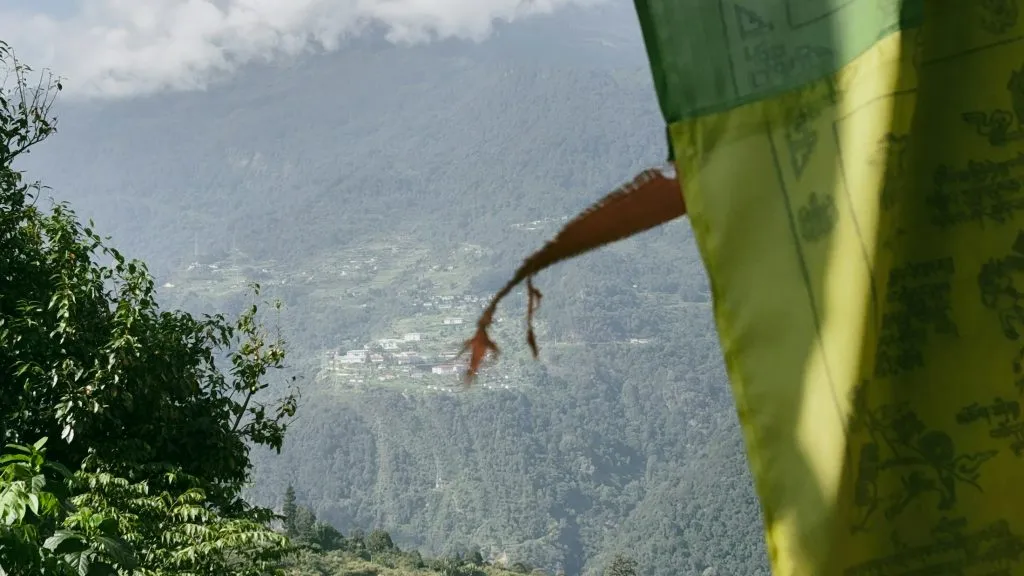
The Druk Path is the most popular trek in Bhutan, and for good reason. It starts at the edge of Paro town, climbs to the ruins of Jele Dzong, and follows high ridges between the Paro and Thimphu valleys, past a string of glacial lakes. On clear days the views reach to Jomolhari and the high Himalaya. The last night is at Phajoding, a monastery complex above Thimphu, and the final morning is a long descent into the capital.
The trek is moderate: daily stages are short, about 10 to 11 km, and the highest point is about 4,200 metres. It suits fit walkers who have not trekked at altitude before. We add a day in Paro with the Tiger’s Nest hike before starting, which helps with acclimatisation and means you see Bhutan’s best-known sight as well.
- Short daily stages, about 10 to 11 km
- High lakes, ridges and Phajoding monastery
- Tiger's Nest before the trek
Highlights
What you will see
Jele Dzong
A ruined fortress on the first ridge above Paro.
Jimilang Tsho
A high lake known for its large trout.
Himalayan views
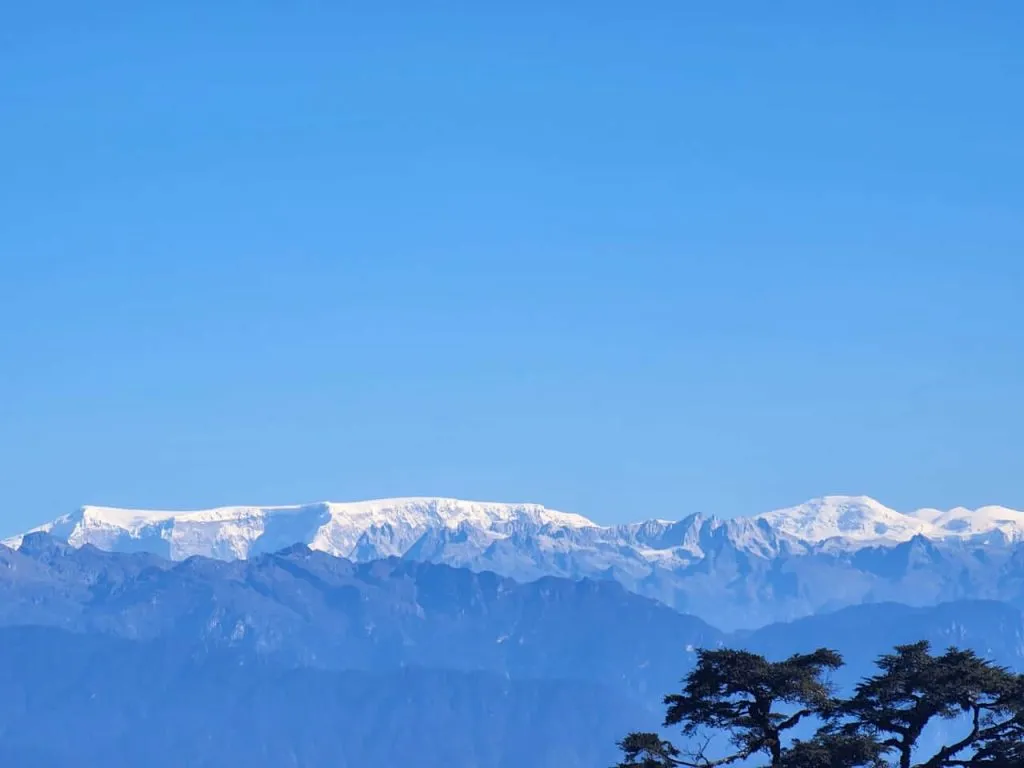
Jomolhari and Gangkar Puensum on clear days.
Phajoding
A hillside monastery complex above Thimphu.
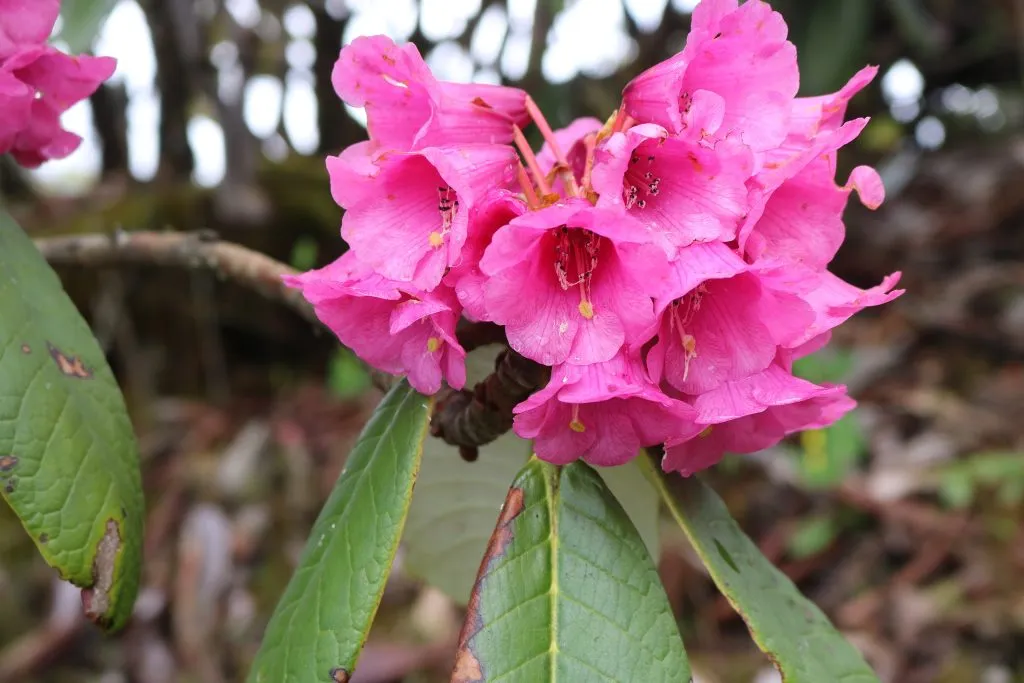
Rhododendron forest
In bloom from April to May.
Tiger's Nest
Paro Taktsang, hiked before the trek.
Itinerary at a glance
Nine days, six on trail
Distances and times are approximate.
Day 1: Arrive in Paro
Land in Paro, Rinpung Dzong, gear check.
Day 2: Tiger's Nest
Acclimatisation hike to Paro Taktsang.
Day 3: Paro to Jele Dzong
Start at the National Museum, climb to Jele Dzong.
Day 4: To Jangchulakha
Ridge walk through rhododendron forest.
Day 5: To Jimilang Tsho
Along the ridge to Jimilang Tsho lake.
Day 6: To Simkotra Tsho
Past Janye Tsho to Simkotra Tsho.
Day 7: Over Phume La to Phajoding
Cross the highest point and descend to Phajoding.
Day 8: Down to Thimphu
Descend to Thimphu, afternoon sightseeing.
Day 9: Fly out
Drive to Paro airport.
Day 1
Arrive in Paro
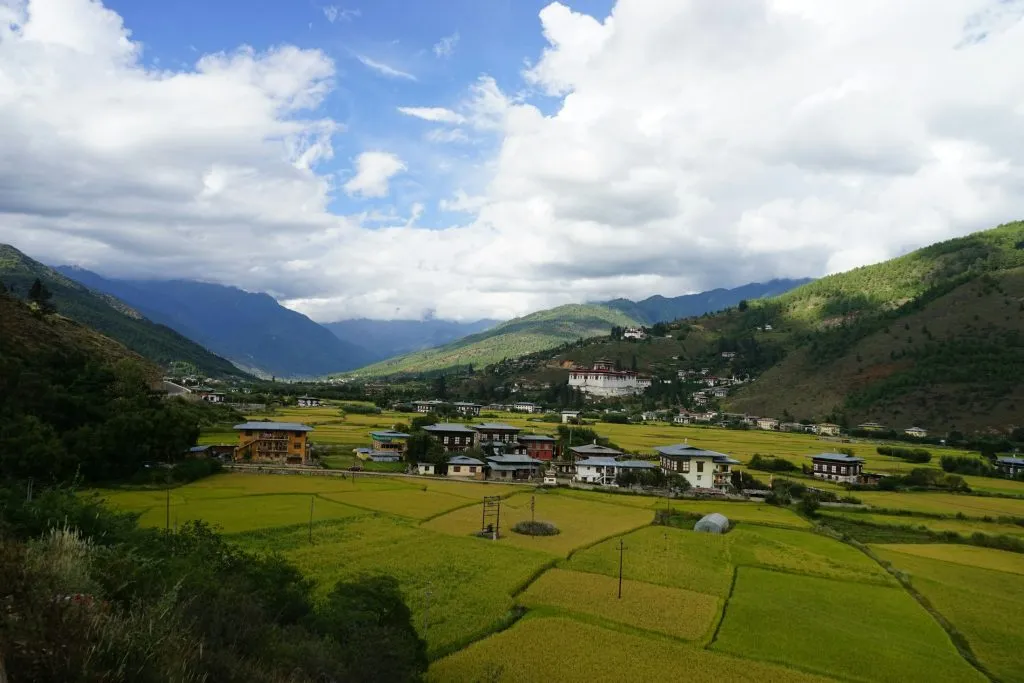
Your guide meets you at the airport. After lunch we visit Rinpung Dzong and check your gear for the trek.
- Overnight: Paro
- Meals: lunch and dinner
- Gear check
Day 2
Hike to the Tiger's Nest
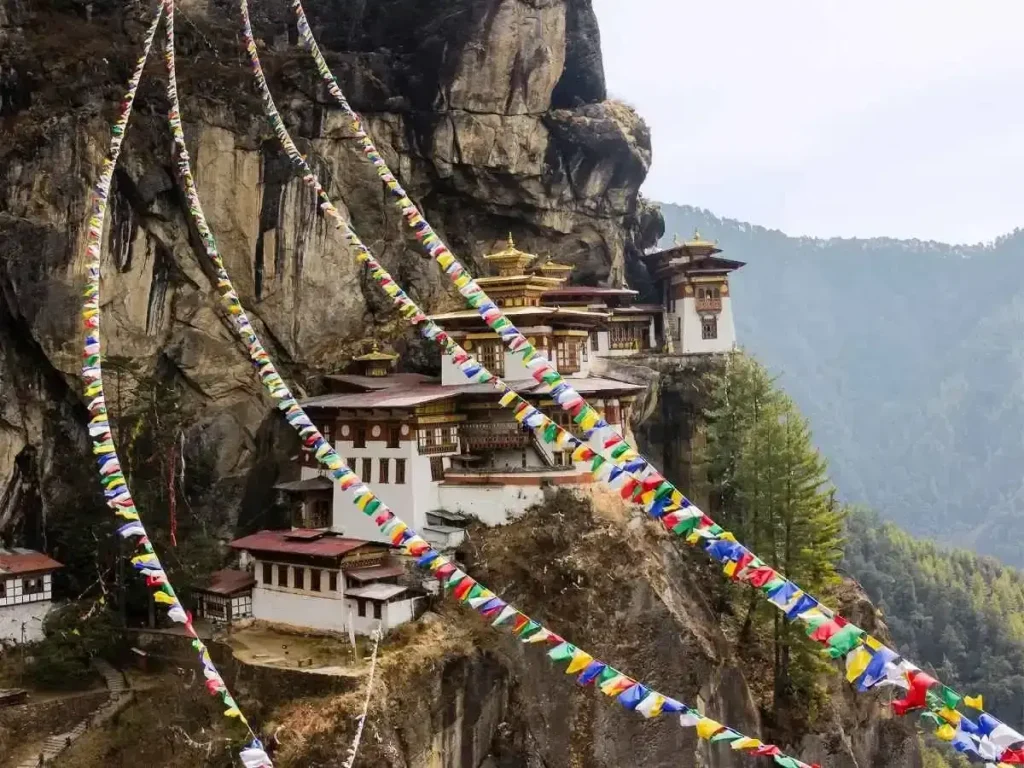
The hike to Paro Taktsang, at about 3,120 metres, is good acclimatisation for the trek. Most people take 4 to 6 hours for the round trip.
- Overnight: Paro
- Hike: 4 to 6 hours
- Highest point: about 3,120 m
Day 3
Trek day 1: up to Jele Dzong
The trek starts from the National Museum above Paro. The trail climbs steadily through farms and pine forest to the ruins of Jele Dzong, at about 3,450 metres, on a ridge with views back over the Paro valley. A short but steep first day.
- Camp: Jele Dzong, about 3,450 m
- Distance: about 10 km
- Walking: 4 to 5 hours
Day 4
Trek day 2: to Jangchulakha
The trail follows the ridge through thick rhododendron forest, beautiful in April and May, with views of Jomolhari on clear days. You may meet yak herders near the camp at Jangchulakha, at about 3,770 metres.
- Camp: Jangchulakha, about 3,770 m
- Distance: about 10 km
- Walking: 4 to 5 hours
Day 5
Trek day 3: to Jimilang Tsho
The trail follows the ridge with views of the high peaks and drops to Jimilang Tsho, at about 3,870 metres, a lake known for its large trout, which were introduced decades ago. The camp is beside the water.
- Camp: Jimilang Tsho, about 3,870 m
- Distance: about 11 km
- Walking: 4 to 5 hours
Day 6
Trek day 4: to Simkotra Tsho
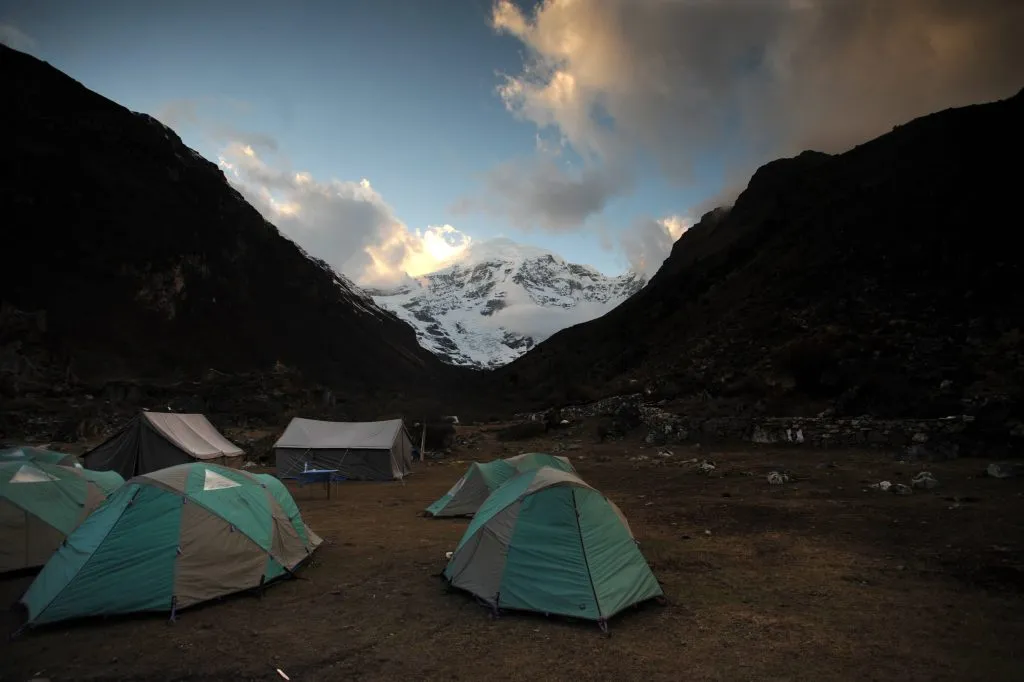
The trail passes Janye Tsho and yak herders’ camps to Simkotra Tsho, at about 4,110 metres, a small lake in open country. The highest camp of the trek, and often the coldest.
- Camp: Simkotra Tsho, about 4,110 m
- Distance: about 11 km
- Walking: 4 hours
Day 7
Trek day 5: to Phajoding
A short climb to Phume La, at about 4,200 metres, the highest point of the trek, gives a view of Gangkar Puensum on clear days. The trail descends to Phajoding, a group of temples and retreat houses founded in the 13th century, at about 3,870 metres, high above Thimphu.
- Camp: Phajoding, about 3,870 m
- Distance: about 10 km
- Walking: 4 to 5 hours
Day 8
Trek day 6: down to Thimphu
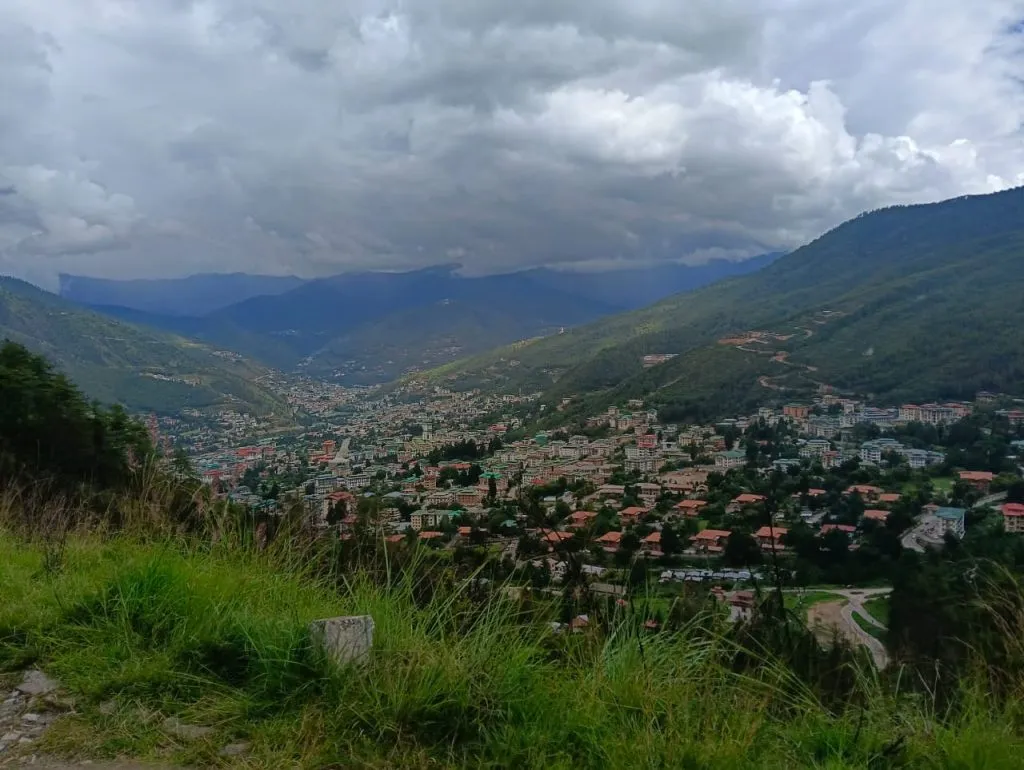
The final descent through blue pine forest takes about three hours to the edge of Thimphu. After a hot shower, we visit Buddha Dordenma and Tashichho Dzong in the afternoon.
- Overnight: Thimphu
- Walking: about 3 hours downhill
- Afternoon: Thimphu sights
Day 9
Farewell to Bhutan
The drive from Thimphu to Paro airport takes about an hour. We leave in good time for your flight.
- Drive: about 1 hour
- Meals: breakfast
- Extension: Punakha
Where you stay
Where you sleep
Hotels in Paro and Thimphu, camping on the trail.
| Nights | Place | Where you stay | Why we chose it |
|---|---|---|---|
| 1 to 2 | Paro | 3-star or 4-star hotel | Before the trek |
| 3 to 7 | Trail camps | Tents with mattresses, dining and toilet tents | Crew, cook and pack animals |
| 8 | Thimphu | 3-star or 4-star hotel | After the trek |
Add Punakha after the trek for a longer trip.
What the price covers
Included and not included
Included
- Bhutan visa (USD 40) and the Sustainable Development Fee for every night
- Hotels as listed, 3-star as standard, with 4-star and luxury upgrades on request
- All meals in hotels and on the trek, cooked by our trek cook
- A licensed trekking guide, plus a cook and camp crew
- Pack animals for the luggage, tents, mattresses, dining and toilet tents
- Trekking and park permits
- Private car with driver for the road sections
Not included
- International flights into and out of Paro (we can book them for you)
- Travel insurance, which we strongly recommend
- Sleeping bag and personal trekking gear (we can rent a sleeping bag)
- Emergency evacuation costs, which your insurance should cover
- Tips for the trek crew, guide and driver
Price on request
Tell us your budget and we will send our best price
We don’t publish one fixed price, because hotels, season and group size change the total a lot. Tell us your dates, who is travelling and the budget you have in mind. We will reply within 24 hours with our best price for this trek.
How we price
What decides the cost of this trip
Government fees
The SDF is USD 100 per adult per night until 31 August 2027, plus a USD 40 visa. These are fixed by the Government of Bhutan and paid through us.
Hotels you choose
Trek costs are shared by the group. Groups of three or more get better value.
Season and dates
Spring and autumn are peak season. Winter and summer dates are often easier to price well.
Group size
Guide and car costs are shared, so the price per person drops for two, three or four travellers.
We send a written, itemised quote before you pay anything. No booking fees.
Good to know
Planning notes for the Druk Path
Why trek the Druk Path?
It links Bhutan’s two main towns on foot, so you start and finish close to an airport and good hotels. The stages are short, which leaves afternoons free to rest, fish with a permit or walk up a ridge for the sunset. And it gives you a real taste of high Bhutan, with yak herders, lakes and big views, without the long commitment of the Jomolhari or Snowman treks.
Trekking seasons
The main trekking seasons are April to May and late September to November. Autumn has the clearest mountain views; spring brings rhododendrons but more cloud. High passes can close with early snow, so we keep a spare day in longer treks. Read our hiking guide for a feel of trail conditions.
Fitness and safety on trek
You walk six to eight hours on most trek days, often above 4,000 metres. Regular hiking in the months before makes a real difference. Your guide carries a first aid kit and watches for altitude sickness; the only cure for serious symptoms is to go down, and we always plan an escape route. Tell us about any heart, lung or knee problems when you book, and make sure your insurance covers trekking at altitude and evacuation.
What to bring on trek
Broken-in waterproof boots, a down jacket, thermal layers, a waterproof shell, a warm hat and gloves, sunglasses, sunscreen, trekking poles and a four-season sleeping bag (we can rent one). Our crew carries tents, mattresses, the kitchen and all food. See our packing list for the basics.
Lakes and views on the trail
Between Jimilang Tsho and Simkotra Tsho the trail passes a string of high lakes, most of them above 3,800 metres. Bhutanese people treat many mountain lakes as sacred, so please don’t throw anything into them or wash in them; your crew will show you where to collect water. On clear mornings the ridges give long views north to Jomolhari and other snow peaks. On the last day you look down over the whole Thimphu valley from Phajoding. Cloud often builds by late morning, so the crew starts early and you reach most viewpoints before the weather turns.
Visa, SDF and guide rules
Every visitor except Indian nationals needs a visa, which costs USD 40 and is issued online before you fly. The Sustainable Development Fee is USD 100 per adult per night until 31 August 2027, with half rates for children aged 6 to 11. A Department of Tourism notice from April 2026 confirms that visitors travel with a licensed guide. We file the visa and pay the SDF for you. Read more in our Bhutan visa guide and SDF guide.
Flying into Paro
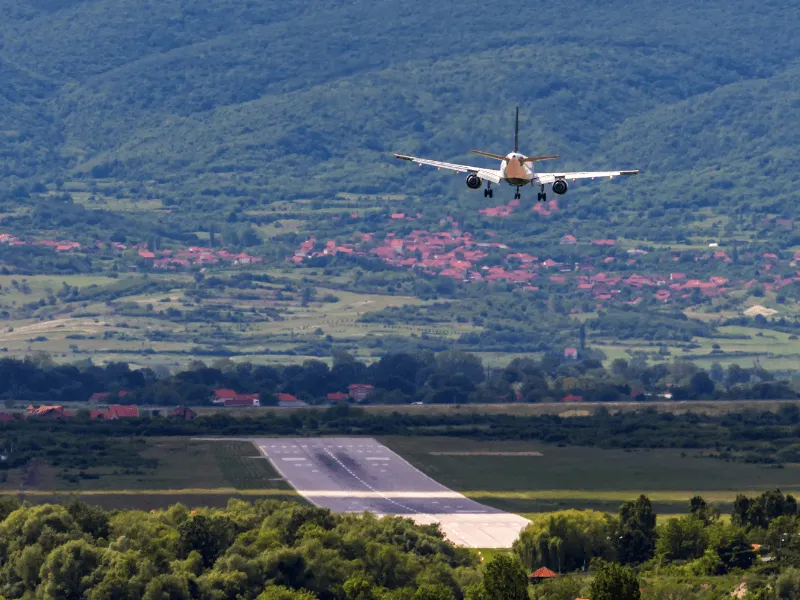
Only Drukair and Bhutan Airlines fly into Paro, mainly from Bangkok, Delhi, Kathmandu, Kolkata and Singapore. Pilots land by sight between the ridges, so morning flights are the most reliable. We suggest a night in your hub city on the way in. Our flights to Bhutan page lists every route.
Druk Path trek: questions
It depends on group size, hotels and season. Tell us your budget and we will reply within 24 hours with our best price, including the SDF, visa, permits, crew, camping, meals and transport.
Moderate. Daily stages are short, but the trail is above 3,500 metres for most of the trek.
Not at altitude, but you should be a fit, regular hill walker.
March to May for rhododendrons, and late September to November for clear views.
Fishing needs a permit and is restricted on some days for religious reasons. Ask us in advance.
Yes, on day two, as acclimatisation.
Usually four to seven hours. The longest days are over the passes near the end of the trek.
Three to five months ahead.
Price on request
Ask for your best price
Tell us your dates, group size and budget. We will reply within 24 hours with our best price for the Druk Path trek.
- Share your budget, we shape the trip around it
- No booking fees, ever
- A reply within 24 hours
- Licensed Bhutanese tour operator
- +975 17533776
- +975 77495028
- info@deyabhutantours.com
- Thimphu, Bhutan
Let's plan your Bhutan journey
Tell us a little about your trip. Our team in Thimphu will reply with ideas, a day-by-day plan and a full price.
We’ll reply within 24 hours. No booking fees, and no obligation to book.