- Licensed Bhutanese tour operator
- Thimphu, Bhutan

Birding tour · 12 days, 11 nights
Bhutan Birdwatching Tour: 12 Days from Chele La to Zhemgang
Twelve days with a birding guide through Bhutan’s altitude zones: pheasants at Chele La, river birds and the white-bellied heron in Punakha, black-necked cranes in Phobjikha and hornbills in the warm forests of Zhemgang.
- 12 days, 11 nights
- Over 700 species recorded in Bhutan
- Best in March to May or November to February
700+
Bird species recorded in Bhutan
31
White-bellied herons, March 2026
3,988 m
Chele La, highest birding site
Private
Birding guide and car
Trip overview
From alpine pheasants to subtropical hornbills
Bhutan is one of the best birding countries in Asia. More than 700 species have been recorded in a country the size of Switzerland, because the land rises from subtropical forest near the Indian border to alpine meadows above 4,000 metres in a short distance. More than 70 percent of the country is forested, and much of it is protected. This trip follows that gradient, from the high passes of the west, down through the river valleys of Punakha, to the warm broadleaf forests of Zhemgang in central Bhutan.
Among the birds people come for are the black-necked crane, which winters in Phobjikha, the critically endangered white-bellied heron, of which Bhutan had 31 known birds in March 2026, the rufous-necked hornbill, and pheasants such as the Himalayan monal and blood pheasant. A specialist birding guide travels with you, and the days start early, when birds are most active. We can adjust the plan to the species on your list.
- A birding guide and private car
- Alpine, temperate and subtropical forest
- Cranes, herons, hornbills and pheasants
Highlights
Key birds and places
Himalayan monal
And blood pheasant on the slopes of Chele La.
White-bellied heron
One of the world's rarest herons, on Punakha's rivers.
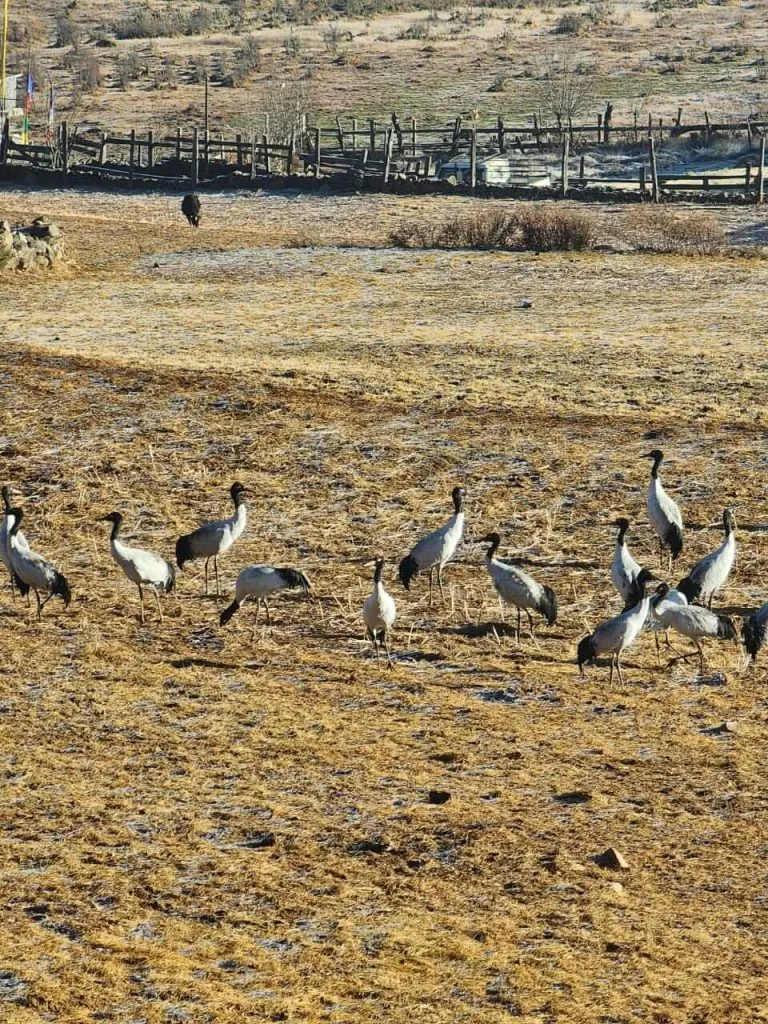
Black-necked crane
Wintering in Phobjikha, late October to February.
Rufous-necked hornbill
In the warm forests of Zhemgang.
Laughingthrushes and sunbirds
Mixed flocks in temperate forest.
Expert guide
A birding specialist who knows the calls.
Itinerary at a glance
Twelve days, every altitude
Days start early. Your guide adjusts sites to recent sightings.
Day 1: Arrive in Paro
Land in Paro, riverside birding.
Day 2: Chele La
Dawn at Chele La for pheasants, then drive to Thimphu.
Day 3: Dochula to Punakha
Lamperi botanical park, Dochula, Punakha riverbanks.
Day 4: Jigme Dorji National Park
Birding up the Mo Chhu valley.
Day 5: Tashithang
Warm broadleaf forest at Tashithang.
Day 6: To Phobjikha
Drive to Phobjikha, crane centre.
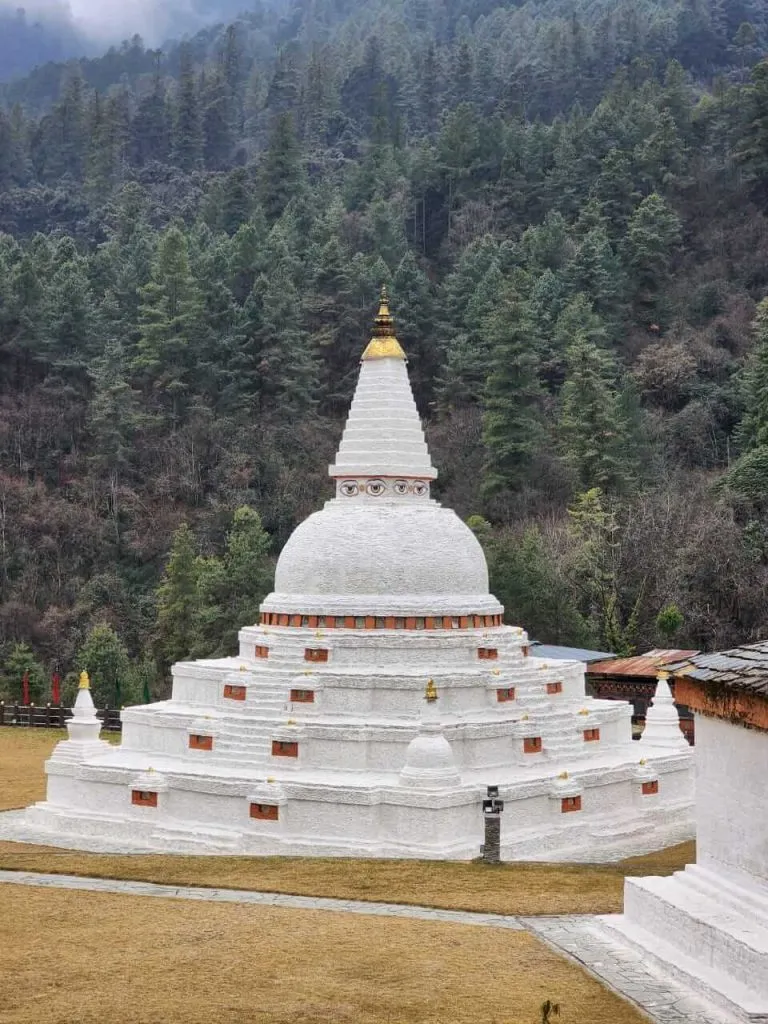
Day 7: Cranes, to Trongsa
Dawn crane watching, Pele La, Trongsa.
Day 8: To Tingtibi
South through the Mangde Chhu valley to Tingtibi.
Day 9: Zhemgang forests
A full day in warm broadleaf forest.
Day 10: Back north
Bird the road back north to Trongsa and Pele La.
Day 11: To Thimphu
Dochula forests and on to Thimphu.
Day 12: Fly out
Transfer to Paro airport.
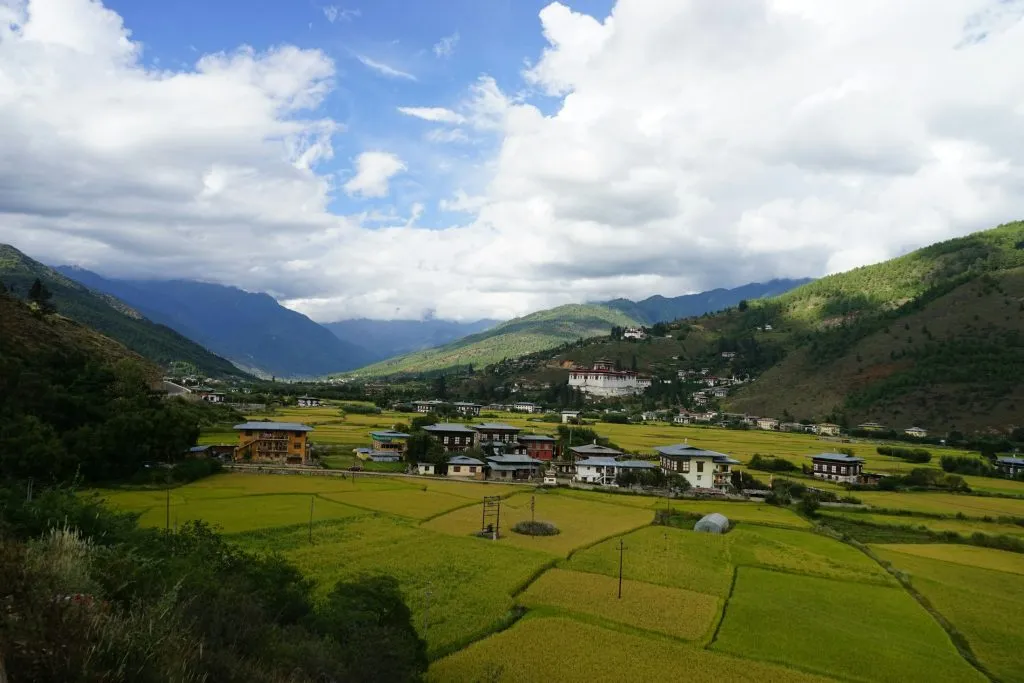
Day 1
Arrive and bird the Paro Chhu
Your birding guide meets you at Paro airport. In the afternoon we walk along the Paro Chhu, where river birds such as plumbeous water redstart, white-capped redstart and, in winter, ibisbill can be seen.
- Overnight: Paro
- Birding: about 2 hours
- Meals: lunch and dinner
Day 2
Pheasants at Chele La
We leave before dawn for Chele La, at about 3,988 metres. The forest and meadows near the pass are good for Himalayan monal, blood pheasant and, with luck, satyr tragopan, along with rosefinches and tits. In the afternoon we drive to Thimphu.
- Overnight: Thimphu
- Birding: dawn to midday
- Highest point: about 3,988 m
Day 3
Forest birds and river birds
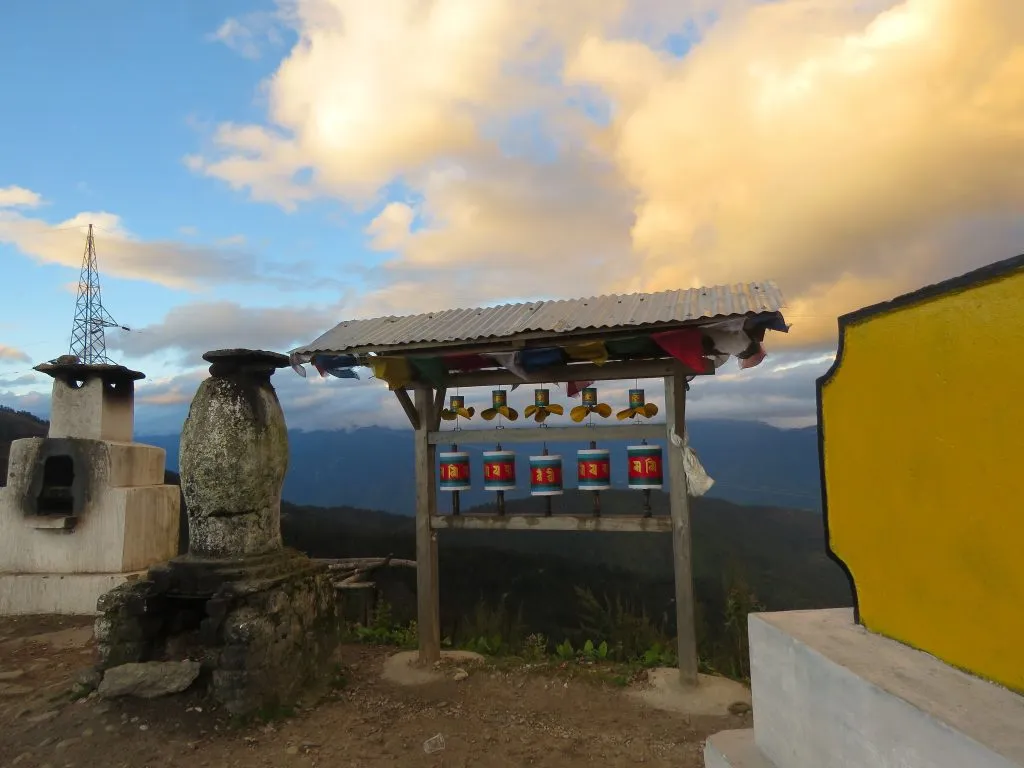
The forests around Dochula and the Royal Botanical Park at Lamperi hold mixed flocks of laughingthrushes, fulvettas, yuhinas and sunbirds. Down in Punakha, we search the riverbanks for the white-bellied heron; most of Bhutan’s wild herons live in the Punatsangchhu basin.
- Overnight: Punakha
- Drive: about 3 hours with stops
- Target: white-bellied heron
Day 4
Up the Mo Chhu valley
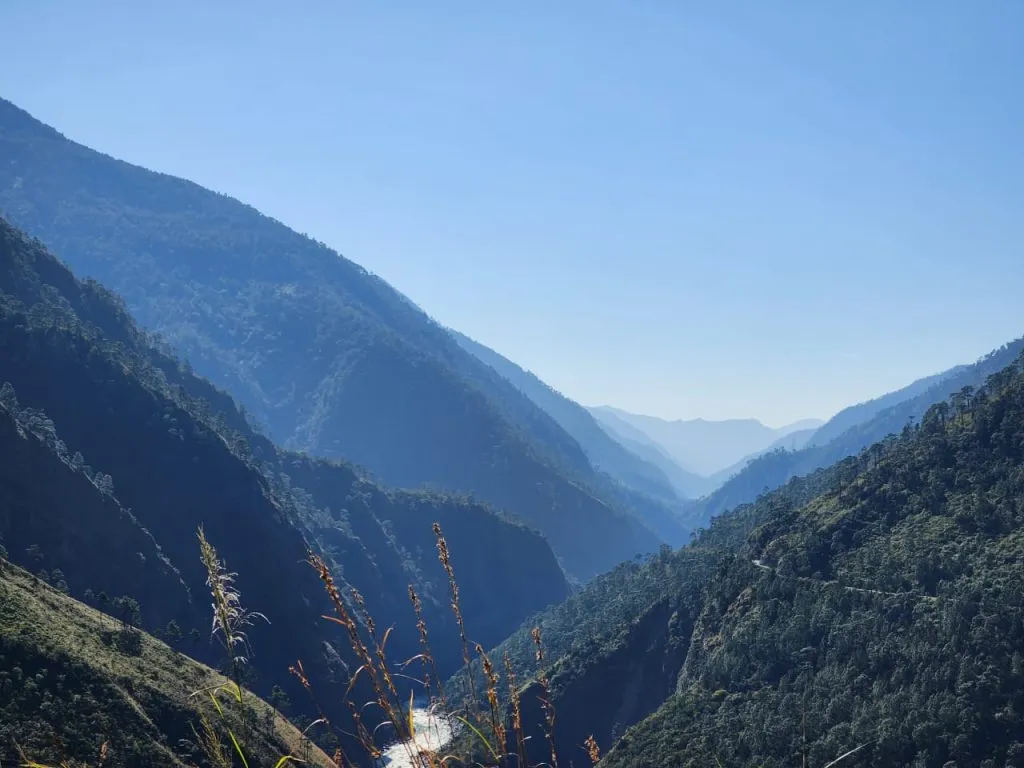
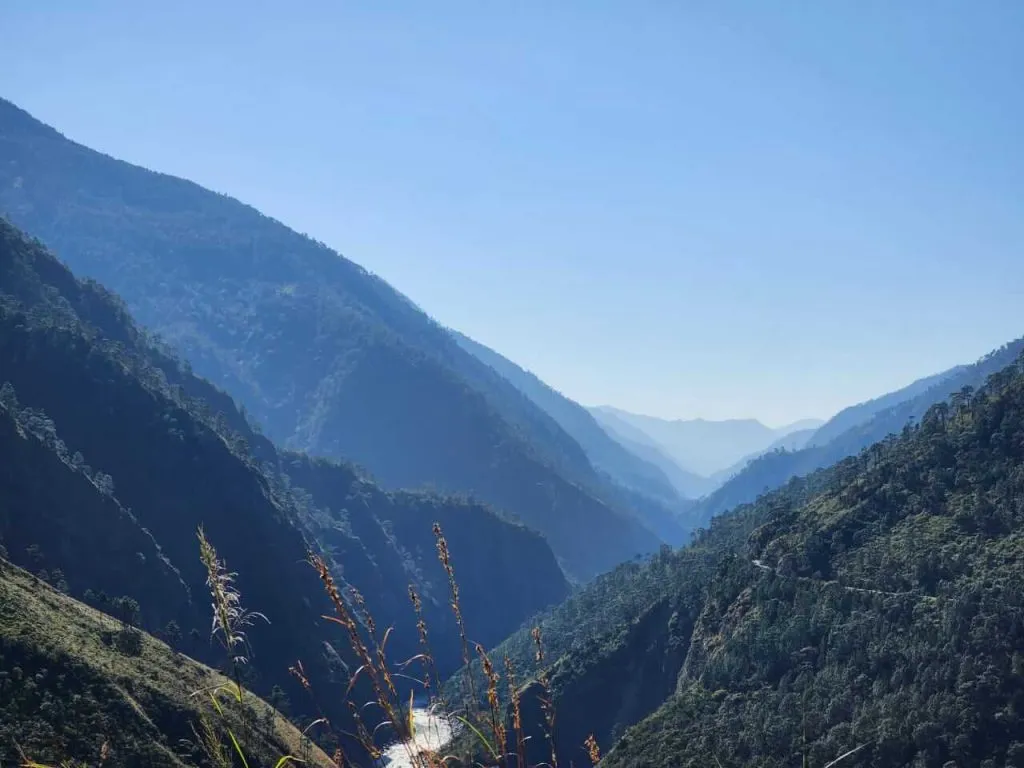
We drive north up the Mo Chhu into the edge of Jigme Dorji National Park, birding on foot along the road through warm and cool broadleaf forest. Kingfishers, forktails, barbets and cuckoos are common, and the river is good for herons and wagtails.
- Overnight: Punakha
- Birding: full day
- Walking: on quiet roads and trails
Day 5
Birding in Tashithang
The forest around Tashithang is rich in species. We look for sultan tit, long-tailed broadbill, Pallas’s fish eagle and many warblers. A picnic lunch by the river.
- Overnight: Punakha
- Birding: full day
- Picnic lunch
Day 6
To the crane valley
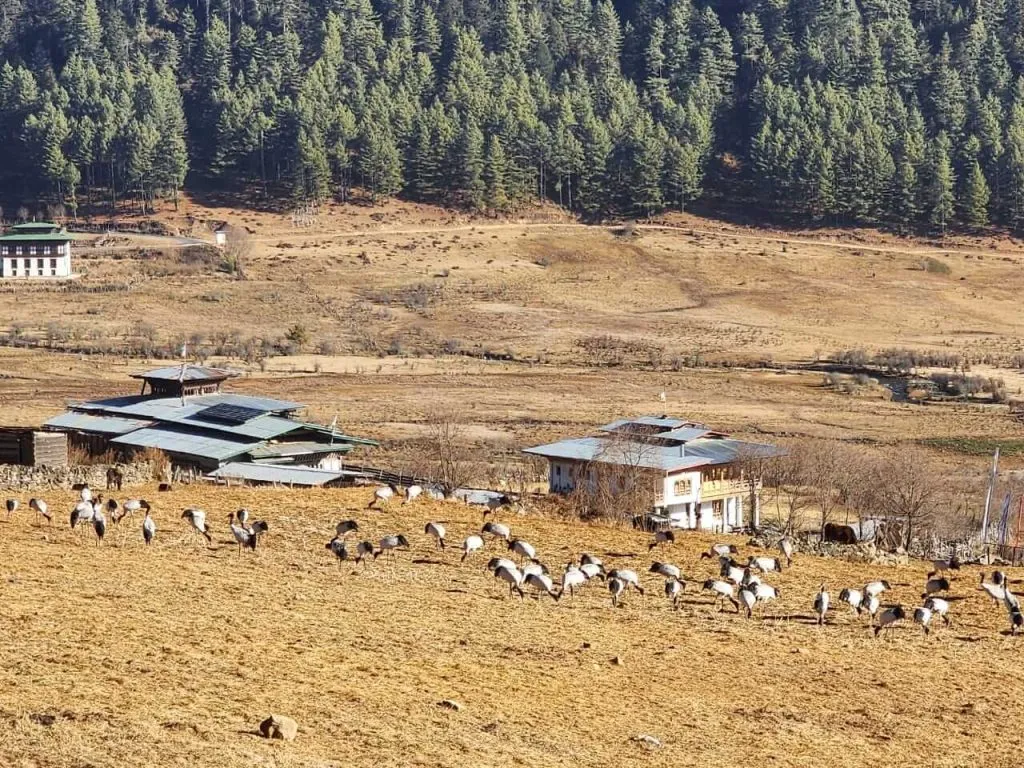
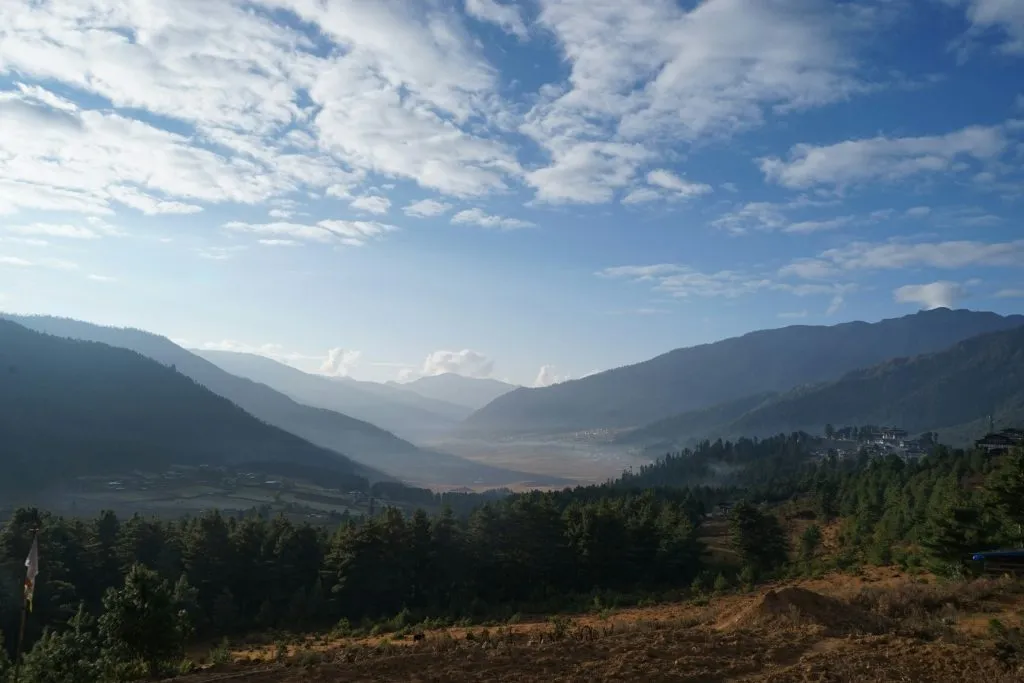
We drive to the Phobjikha valley, at about 3,000 metres. From late October to February, black-necked cranes winter on the marshes, and the Black-necked Crane Information Centre, run by the Royal Society for Protection of Nature, has telescopes and information on their numbers and behaviour.
- Overnight: Phobjikha
- Drive: about 3 hours
- Cranes: late October to February
Day 7
Crane behaviour and on to Trongsa
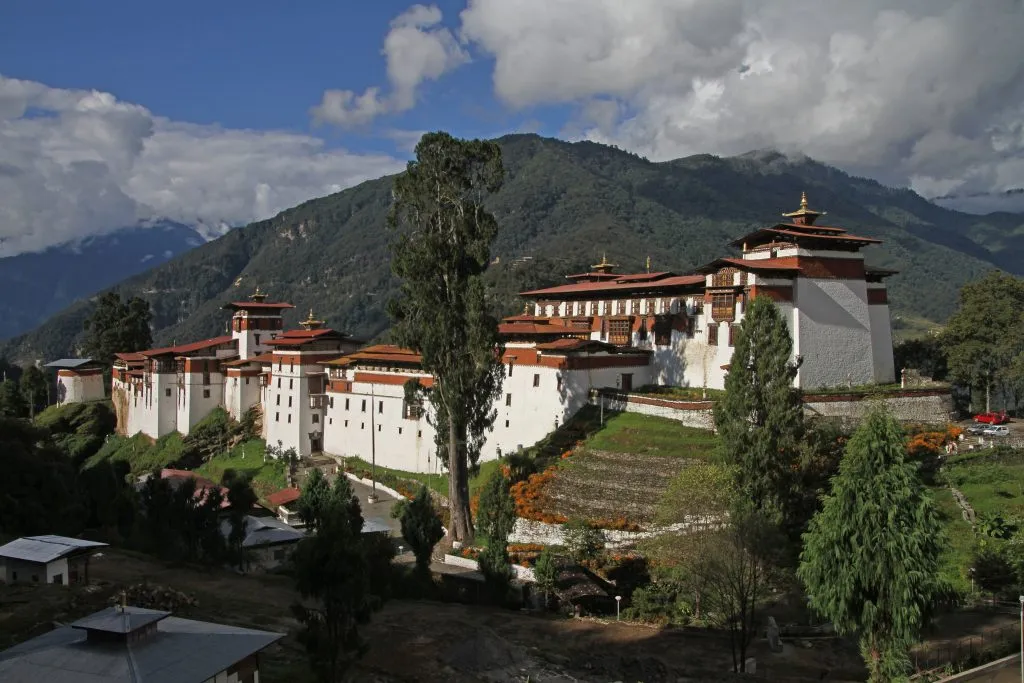
At dawn the cranes leave their roost and fly out to feed, calling as they go. After breakfast we cross Pele La, birding the high forest for pheasants and parrotbills, and continue to Trongsa.
- Overnight: Trongsa
- Birding: dawn and en route
- Drive: about 4 hours
Day 8
South to Tingtibi
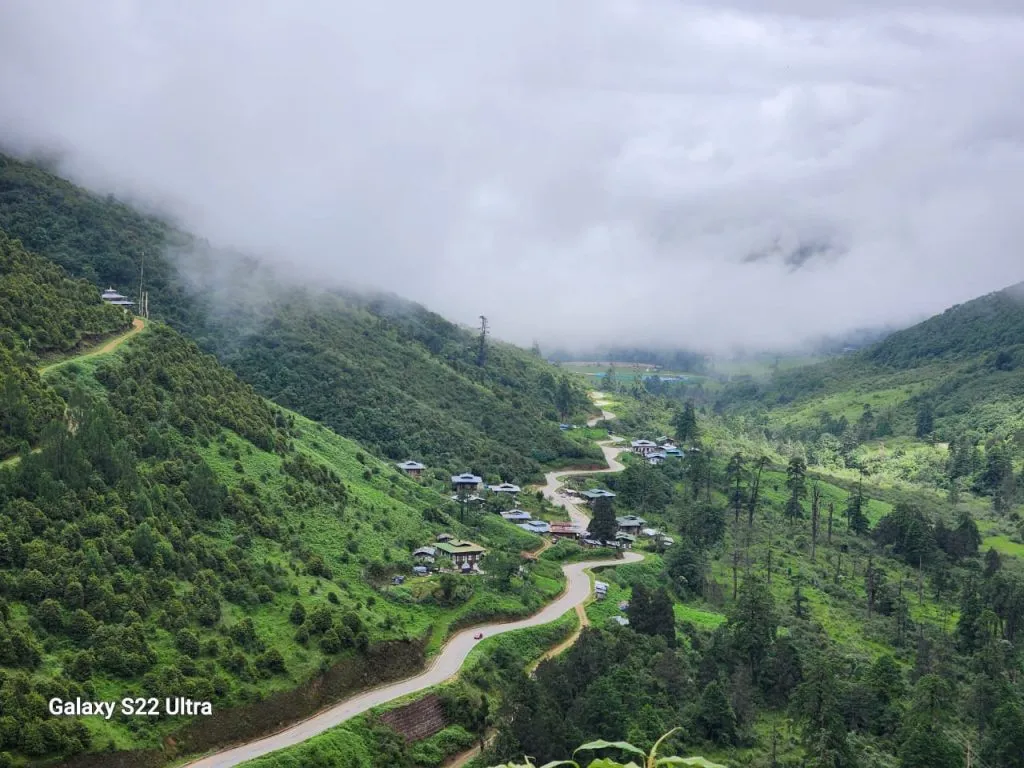
The road drops south through Zhemgang. Golden langurs, a rare monkey found only in this region, often sit beside the road. We bird the forests around Tingtibi, one of the best areas in Bhutan for rufous-necked hornbill.
- Overnight: Tingtibi or Zhemgang
- Drive: about 4 hours with birding
- Target: rufous-necked hornbill
Day 9
A day in the warm forests
A full day of birding in warm broadleaf forest. Species include beautiful nuthatch, great hornbill, red-headed trogon and many babblers and minivets. Your guide uses calls and knowledge of fruiting trees to find them.
- Overnight: Tingtibi or Zhemgang
- Birding: full day
- Walking: quiet roads
Day 10
Back north
We drive back north, birding at different altitudes on the way, through Trongsa and over Pele La towards Wangdue.
- Overnight: Wangdue or Punakha
- Drive: about 6 hours with birding
- Birding en route
Day 11
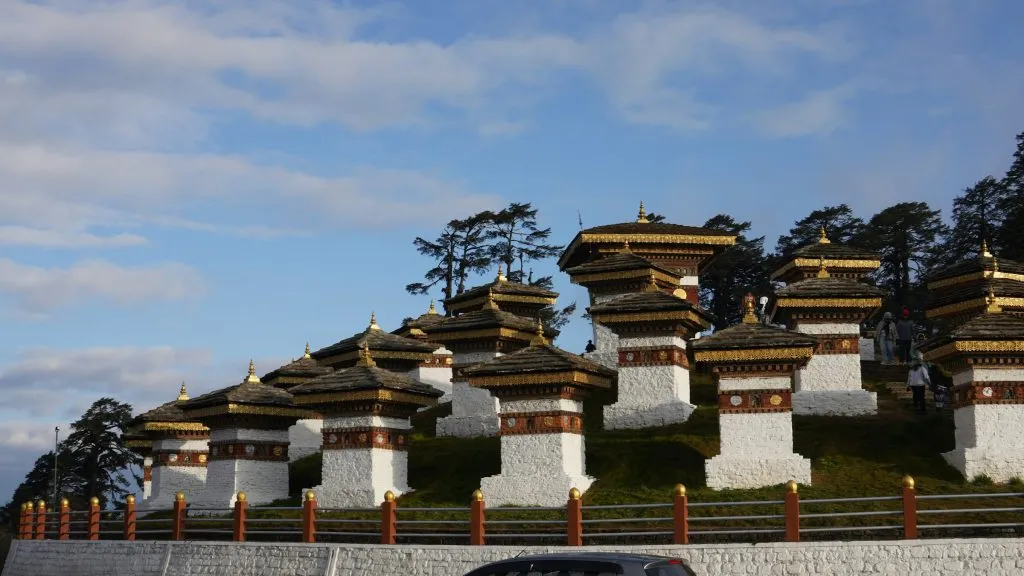
Over Dochula to Thimphu
A last morning of birding around Dochula, then on to Thimphu for some sightseeing: the takin at Motithang and Tashichho Dzong.
- Overnight: Thimphu or Paro
- Drive: about 3 hours
- Sightseeing in Thimphu
Day 12
Farewell to Bhutan
Your guide takes you to Paro airport in time for your flight.
- Transfer: about 1 hour
- Meals: breakfast
- Extension: eastern Bhutan birding
Where you stay
Where you stay
Hotels close to birding sites.
| Nights | Place | Where you stay | Why we chose it |
|---|---|---|---|
| 1 | Paro | 3-star or 4-star hotel | Riverside birding |
| 2 | Thimphu | 3-star or 4-star hotel | After Chele La |
| 3 to 5 | Punakha | 3-star or 4-star hotel | Base for Mo Chhu and Tashithang |
| 6 | Phobjikha | Lodge | Crane valley |
| 7 | Trongsa | 3-star hotel | Central Bhutan |
| 8 to 9 | Tingtibi or Zhemgang | Best available lodge | Warm forests |
| 10 | Wangdue or Punakha | 3-star hotel | Breaks the drive |
| 11 | Thimphu or Paro | 3-star or 4-star hotel | Last night |
Lodges in Zhemgang are simple; the birding makes up for it.
What the price covers
Included and not included
Included
- Bhutan visa (USD 40) and the Sustainable Development Fee for every night
- Hotels as listed, 3-star as standard, with 4-star and luxury upgrades on request
- All meals: breakfast, lunch and dinner
- A licensed English-speaking guide for the whole trip
- Private car or SUV with a Bhutanese driver, and all transfers
- Entry fees to dzongs, temples and museums
- Bottled water in the car
- A specialist birding guide
Not included
- International flights into and out of Paro (we can book them for you)
- Travel insurance, which we strongly recommend
- Drinks, laundry and other personal costs
- Tips for your guide and driver
- Anything not listed under included
Price on request
Tell us your budget and we will send our best price
We don’t publish one fixed price, because hotels, season and group size change the total a lot. Tell us your dates, who is travelling and the budget you have in mind. We will reply within 24 hours with our best price for this birding tour.
How we price
What decides the cost of this trip
Government fees
The SDF is USD 100 per adult per night until 31 August 2027, plus a USD 40 visa. These are fixed by the Government of Bhutan and paid through us.
Hotels you choose
Hotel style and group size shape the price. Small birding groups share the guide and car.
Season and dates
Spring and autumn are peak season. Winter and summer dates are often easier to price well.
Group size
Guide and car costs are shared, so the price per person drops for two, three or four travellers.
We send a written, itemised quote before you pay anything. No booking fees.
Good to know
Planning notes for birders
Best seasons
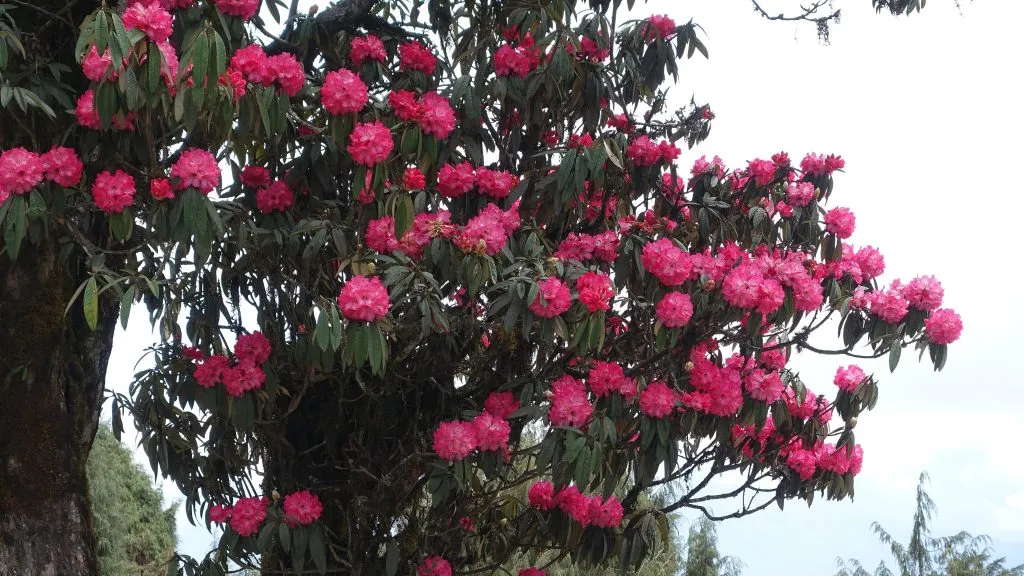
March to May is the breeding season, with birds in song and full plumage, and rhododendrons in bloom. November to February brings the cranes to Phobjikha and wintering birds to the river valleys. The monsoon, from June to August, makes forest birding difficult.
Conservation
The Royal Society for Protection of Nature runs long-term programmes for the black-necked crane and the white-bellied heron. Bhutan’s heron population reached 31 known birds in March 2026, 26 in the wild and 5 in a breeding centre, the highest since monitoring began. Please keep a respectful distance and never use playback near herons or nesting birds.
What to bring
Binoculars, a field guide to the birds of the Indian subcontinent or Bhutan, a camera with a long lens if you photograph, waterproof boots and layers for cold mornings. See our packing list.
Visa, SDF and guide rules
Every visitor except Indian nationals needs a visa, which costs USD 40 and is issued online before you fly. The Sustainable Development Fee is USD 100 per adult per night until 31 August 2027, with half rates for children aged 6 to 11. A Department of Tourism notice from April 2026 confirms that visitors travel with a licensed guide. We file the visa and pay the SDF for you. Read more in our Bhutan visa guide and SDF guide.
Flying into Paro
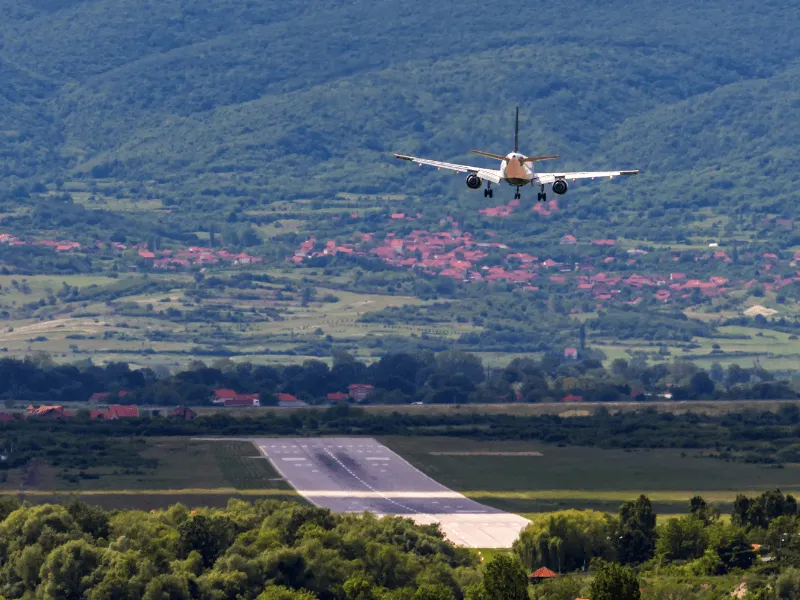
Only Drukair and Bhutan Airlines fly into Paro, mainly from Bangkok, Delhi, Kathmandu, Kolkata and Singapore. Pilots land by sight between the ridges, so morning flights are the most reliable. We suggest a night in your hub city on the way in. Our flights to Bhutan page lists every route.
Bhutan birdwatching tour: questions
It depends on your hotels, group size and dates. Tell us your budget and we will reply within 24 hours with our best price, including the SDF, visa, hotels, meals, guide and car.
More than 700 species have been recorded.
There is a good chance in Punakha, but it is one of the rarest herons in the world, so sightings are never certain.
From late October to February.
Yes. We use guides who know the calls, habitats and recent sightings.
Yes. Yongkola and the Lingmethang road are famous birding sites; see our bird photography tour.
Three to five months ahead for spring.
Price on request
Ask for your best price
Tell us your dates, your target species and your budget. We will reply within 24 hours with our best price for this birding tour.
- Share your budget, we shape the trip around it
- No booking fees, ever
- A reply within 24 hours
- Licensed Bhutanese tour operator
- +975 17533776
- +975 77495028
- info@deyabhutantours.com
- Thimphu, Bhutan
Let's plan your Bhutan journey
Tell us a little about your trip. Our team in Thimphu will reply with ideas, a day-by-day plan and a full price.
We’ll reply within 24 hours. No booking fees, and no obligation to book.