- Licensed Bhutanese tour operator
- Thimphu, Bhutan
Photography tour · 13 days, 12 nights
13 Day Bhutan Festival Photography Tour: Ura Yakchoe and the Rhododendron Festival, April 2027
Photograph two spring festivals in one trip: the masked dances of Ura Yakchoe in Bumthang from 18 to 22 April 2027, then the Rhododendron Festival at Lamperi on 22 and 23 April, with Punakha, Phobjikha and the Tiger’s Nest around them.
- 13 days, 12 nights
- 13 to 25 April 2027
- Ura Yakchoe and Rhododendron Festival
2
Festivals in one trip
18 to 22 Apr
Ura Yakchoe 2027
22 to 23 Apr
Rhododendron Festival 2027
Private
Photo guide and car
Trip overview
A spring festival trip for photographers
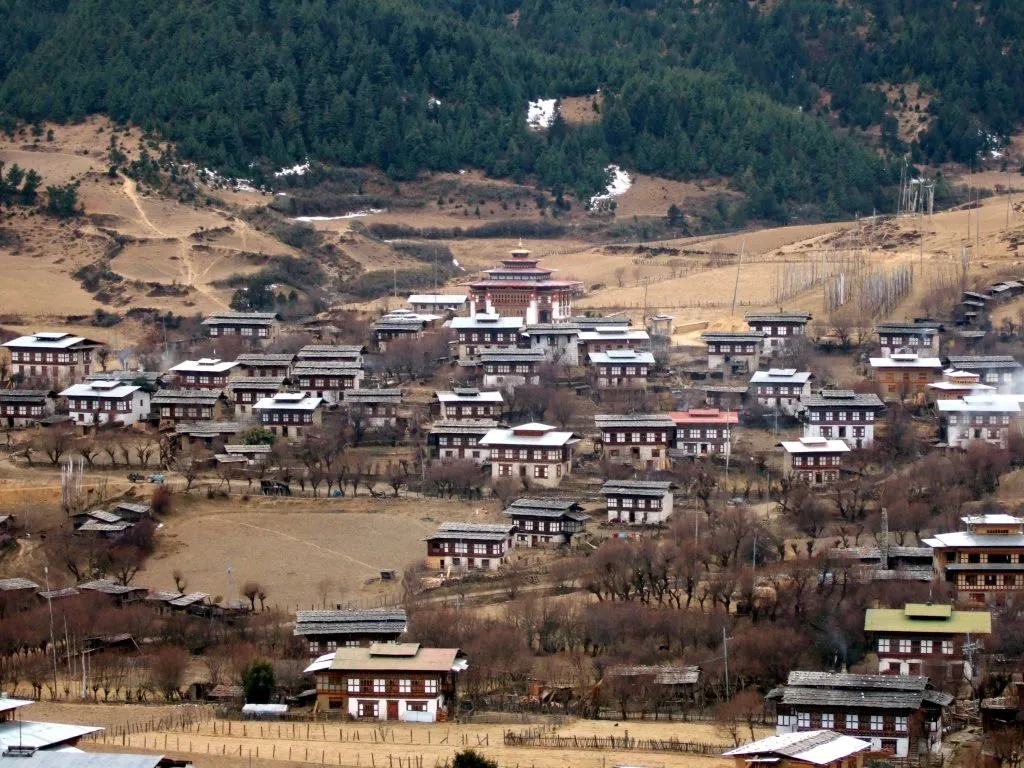
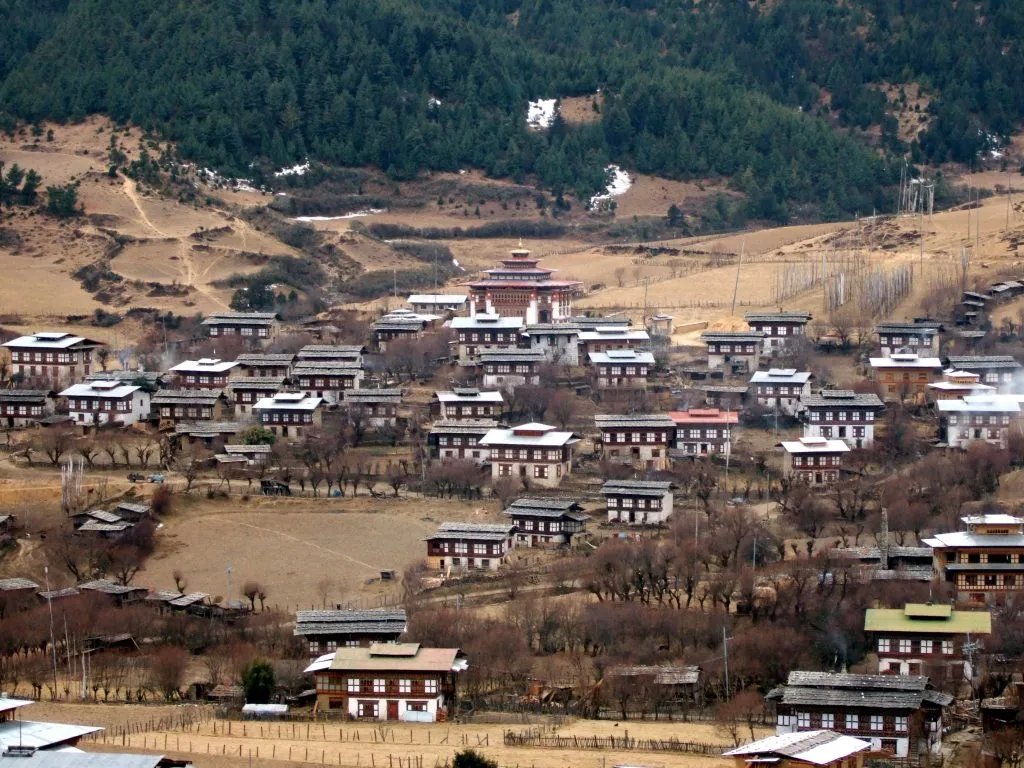
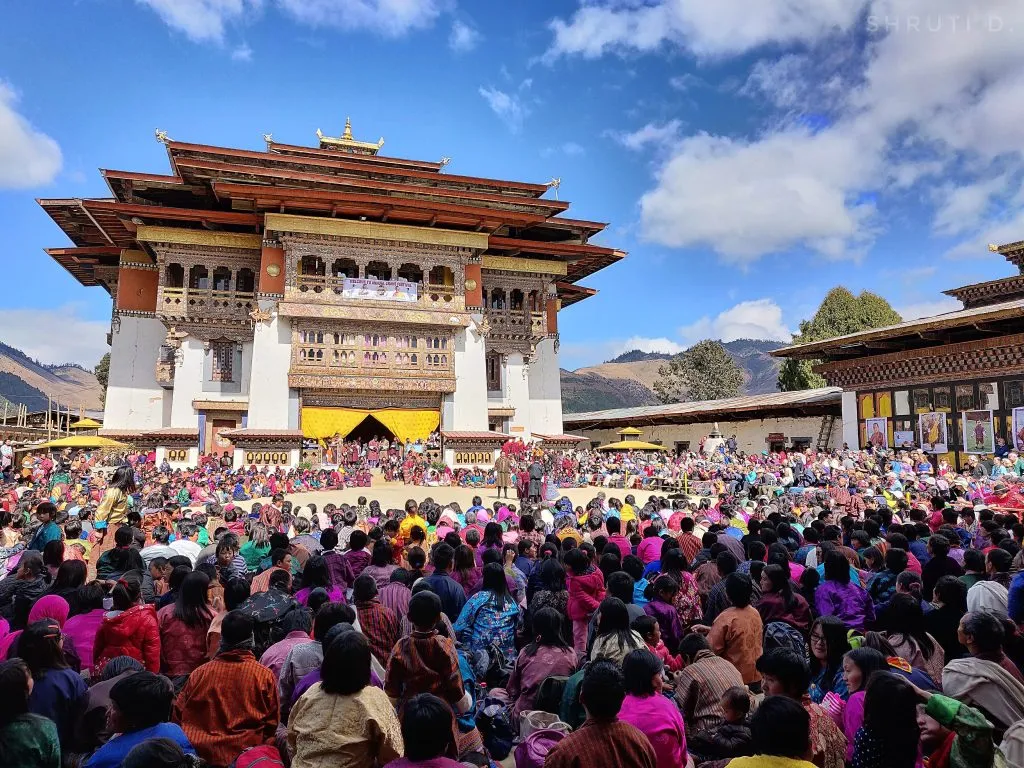
Ura is a village of stone houses and narrow lanes at about 3,100 metres in Bumthang, and its Yakchoe festival is one of the most photogenic in Bhutan. The dances take place in the courtyard of the village temple, so you are close to the dancers in a way that big dzong festivals rarely allow. Villagers come in their best clothes, families picnic around the edges and older women sit in the best spots by the temple wall. In 2027 the festival runs from 18 to 22 April, according to the tentative festival list.
Straight after Ura, on 22 and 23 April, the Rhododendron Festival is held at the Royal Botanical Park at Lamperi, below Dochula. It is a small, friendly event with flower walks, local food and cultural shows, set in forest full of rhododendrons in bloom. Around the two festivals we photograph Punakha Dzong, the Phobjikha valley, Trongsa, Thimphu and the Tiger’s Nest, timing each place for good light.
A photographer guide travels with you. That means someone who knows where to stand at each festival, when the main dances happen and how to ask for a portrait politely. Group size is kept small, so you are never fighting for space.
- Two festivals, five days of dances and flowers
- Small temple courtyard, close to the dancers
- Photographer guide who knows the festival grounds
Highlights
What you will photograph
Ura Yakchoe
Masked dances in a village temple courtyard, 18 to 22 April 2027.
Rhododendron Festival
Forest walks and cultural shows at Lamperi, 22 and 23 April.
Punakha Dzong
The dzong at the meeting of two rivers, with jacaranda in late spring.
Phobjikha
A wide glacial valley with Gangtey Goenpa above it.
Trongsa Dzong
Long, layered and perched above a gorge.
Tiger's Nest
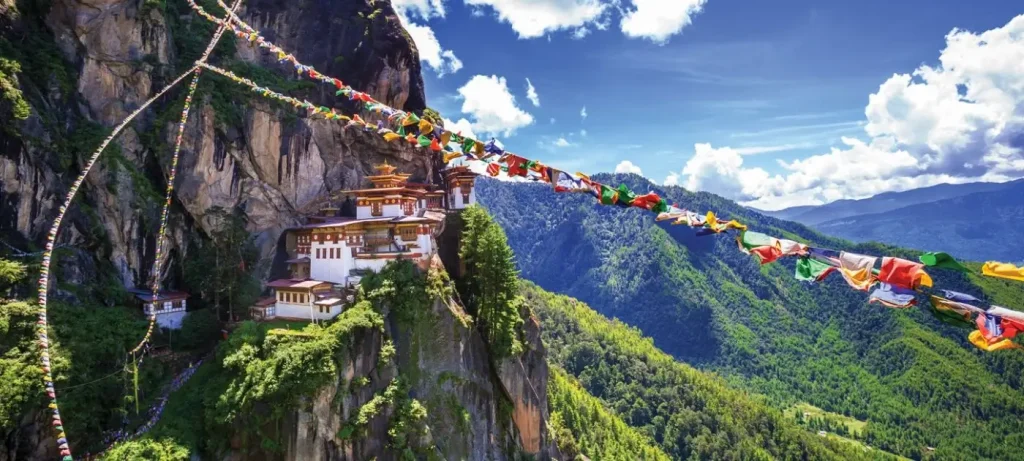
Paro Taktsang from the viewpoint and the trail.
Itinerary at a glance
Thirteen days around two festivals
Dates follow the 2027 tentative festival list. If they shift, we move the plan with them.
Day 1: Arrive, to Thimphu
Land in Paro, drive to Thimphu, evening city shots.
Day 2: Thimphu
Memorial Chorten at dawn, Tashichho Dzong, weekend market.
Day 3: To Punakha
Dochula chortens, Punakha Dzong, the suspension bridge.
Day 4: To Phobjikha
Rice terraces, Wangdue, the Phobjikha valley.
Day 5: To Bumthang
Trongsa Dzong, Pele La, Yotong La, Bumthang.
Day 6: Bumthang
Jambay Lhakhang, Kurjey, Tamshing, Jakar Dzong.
Day 7: Ura Yakchoe
First full day at the festival.
Day 8: Ura Yakchoe
Second festival day, village lanes.
Day 9: To Punakha
Back west over the passes.
Day 10: Rhododendron Festival
Lamperi botanical park, Dochula, Thimphu.
Day 11: To Paro
Simtokha Dzong, Paro, Rinpung Dzong at dusk.
Day 12: Tiger's Nest
Hike to Paro Taktsang, farmhouse dinner.
Day 13: Depart
Transfer to Paro airport.
Day 1
Arrive and shoot Thimphu at dusk
Your guide meets you at Paro airport. The flight in is worth a window seat on the left when flying from Kathmandu or Delhi, for the Himalaya. We drive an hour to Thimphu and settle in. At dusk, a viewpoint above the city gives a wide shot of Thimphu’s lights coming on, and later the Buddha Dordenma statue lit up on its hill.
- Overnight: Thimphu
- Drive: about 1 hour
- Meals: lunch and dinner
Day 2
Thimphu street and dzong day
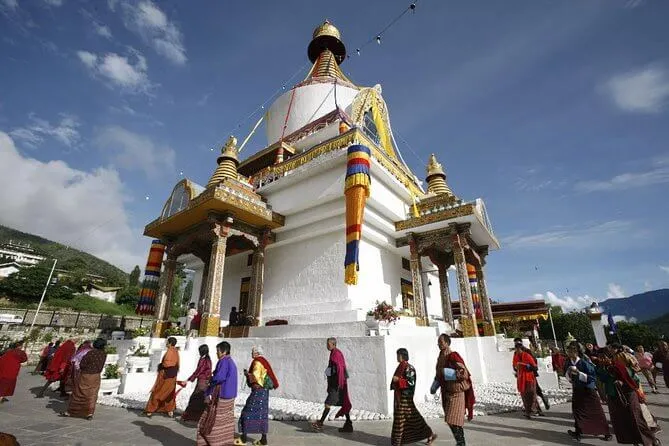
We start at the Memorial Chorten at sunrise, when older Bhutanese walk around it spinning prayer wheels. It is one of the best places in the country for candid street portraits. Later we visit the Folk Heritage Museum and, if it is a Friday to Sunday, the weekend market. In the late afternoon, Tashichho Dzong takes warm light on its west face, and the gardens in front give a clean foreground.
- Overnight: Thimphu
- Best light: sunrise and late afternoon
- Meals: breakfast, lunch and dinner
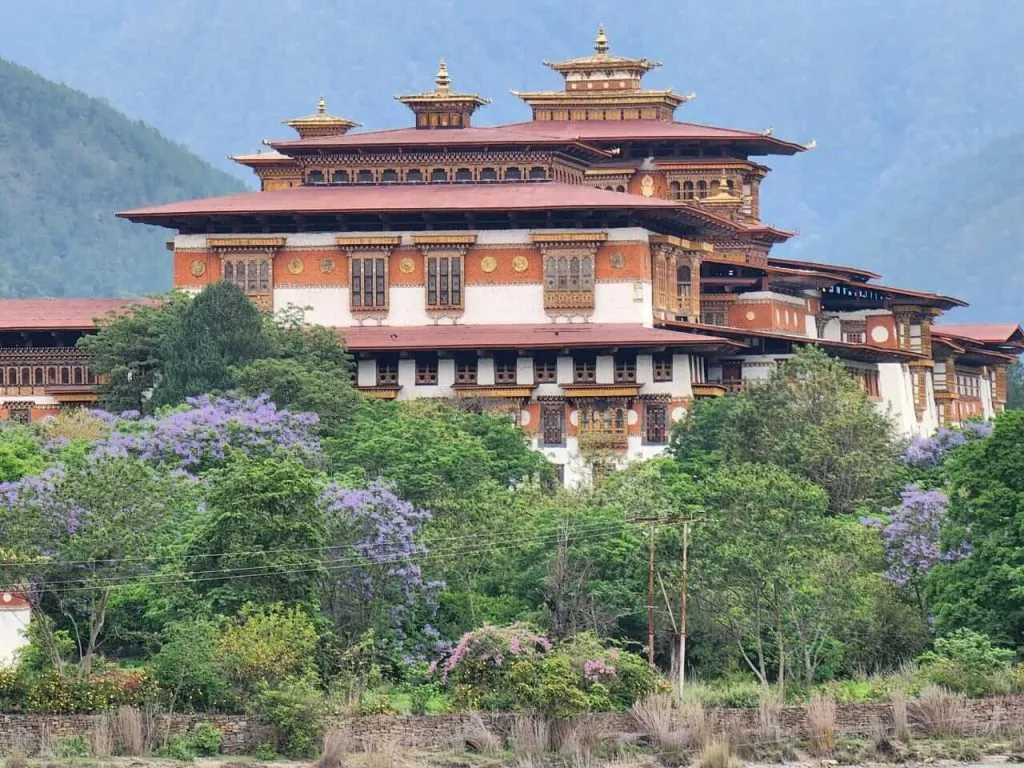
Day 3
Over Dochula to Punakha
We leave early for Dochula, at about 3,100 metres, where the 108 chortens stand in mist on most mornings. On a clear day the snow peaks line up to the north. The road then drops to Punakha. In the afternoon we photograph Punakha Dzong from the riverbank, then cross the long suspension bridge over the Pho Chhu for a shot looking back at the dzong.
- Overnight: Punakha
- Drive: about 3 hours
- Note: jacaranda usually blooms from late April
Day 4
Into the Phobjikha valley
In the morning we walk through rice terraces near Chimi Lhakhang, where farmers are preparing fields in April. Then we drive up to Phobjikha, a wide valley at about 3,000 metres. The cranes have left by April, but the valley is quiet and green. In the evening we shoot Gangtey Goenpa from the lower slope as the light drops.
- Overnight: Phobjikha
- Drive: about 3 hours
- Best light: late afternoon
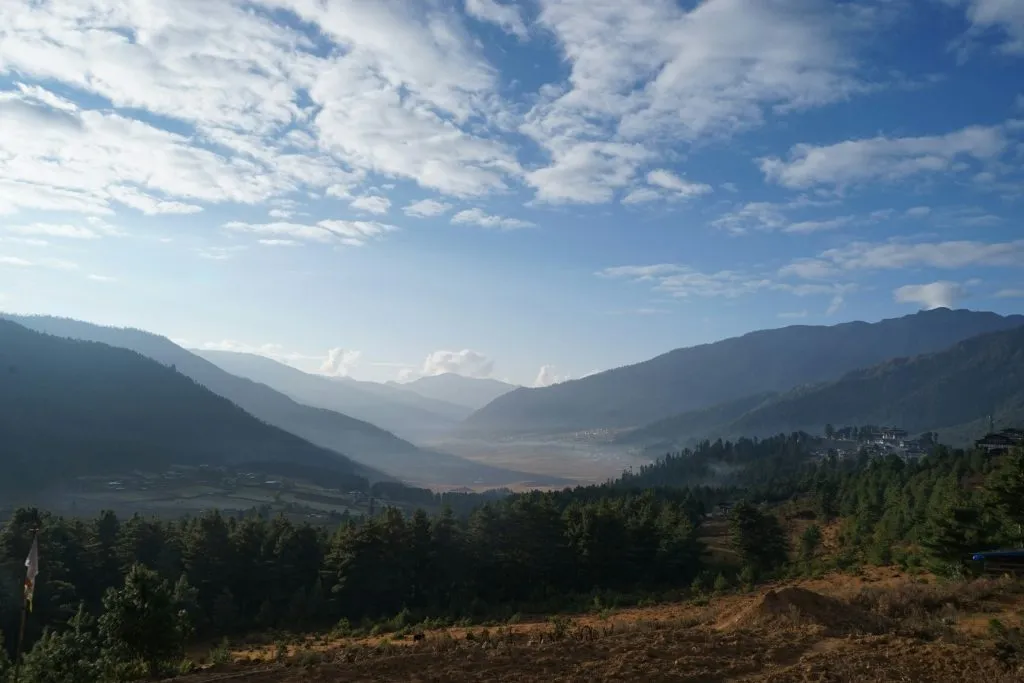
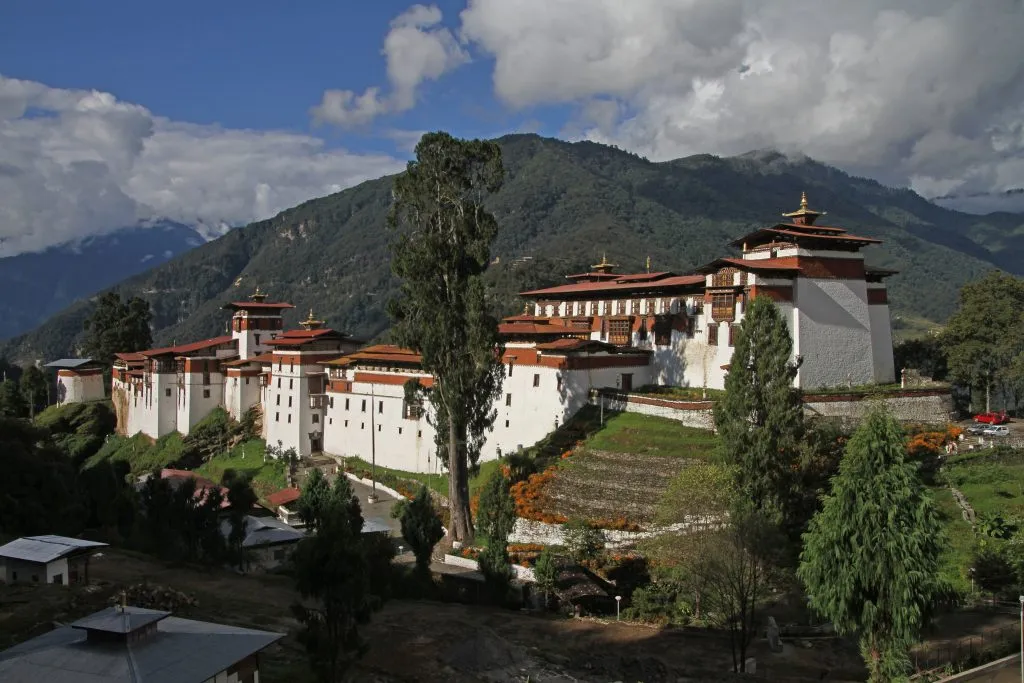
Day 5
Trongsa and on to Bumthang
A long and scenic drive. We cross Pele La and stop at Chendebji Chorten, then reach Trongsa, where the dzong spreads along a ridge above a deep gorge. The best view is from the road before town. After lunch we cross Yotong La into Bumthang, arriving in the Chamkhar valley in the evening.
- Overnight: Bumthang
- Drive: about 7 hours with stops
- Meals: breakfast, lunch and dinner
Day 6
Bumthang's old temples
Bumthang holds some of the oldest temples in Bhutan. We visit Jambay Lhakhang, said to date from the 7th century, then Kurjey Lhakhang and Tamshing, both linked to Guru Rinpoche and Pema Lingpa. The courtyards and old wooden doors make good detail shots. Late afternoon, we photograph Jakar Dzong from the fields below.
- Overnight: Bumthang
- Shooting: temple exteriors and courtyards
- Note: no photos inside shrine rooms
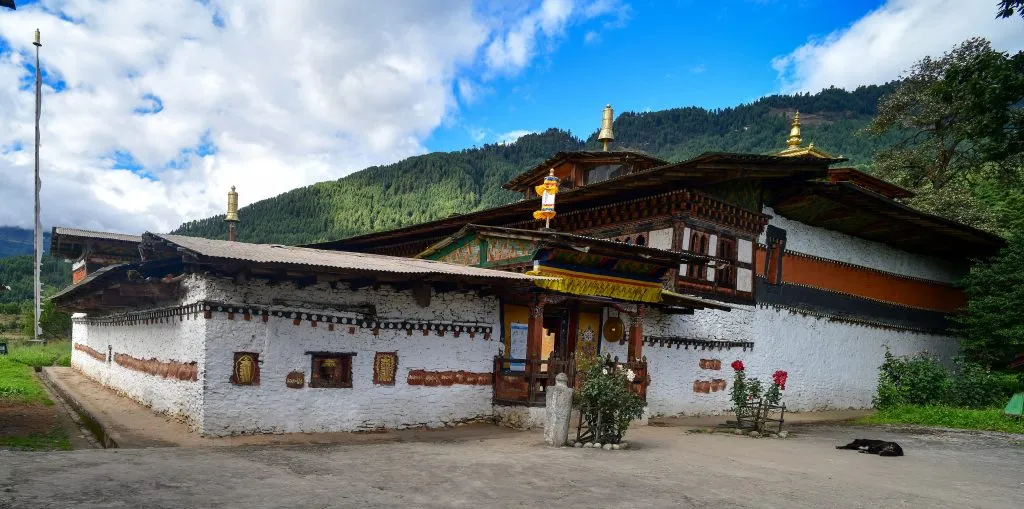
Day 7
Ura Yakchoe, day one
We drive about an hour over Shertang La to Ura. The festival ground is the courtyard of the village temple, and it fills up through the morning. Your guide finds you a spot with the light behind you and explains each dance as it starts. Between dances, the crowd is as good a subject as the dancers: grandparents in fine kira and gho, children watching from the walls, and the atsara clowns teasing everyone.
- Overnight: Bumthang
- Drive: about 1 hour each way
- Festival: 18 to 22 April 2027
Day 8
Ura Yakchoe, day two
A second day at Ura lets you work slowly. Morning dances are usually less crowded, so we arrive early. At lunchtime we walk the stone lanes of the village, where houses are close together in a way that is unusual for Bhutan. Your guide can ask a family if you may photograph them at home. We stay for the last dances of the day before driving back.
- Overnight: Bumthang
- Tip: a 70 to 200 mm lens works well here
- Meals: picnic lunch at the festival
Day 9
Long drive back west
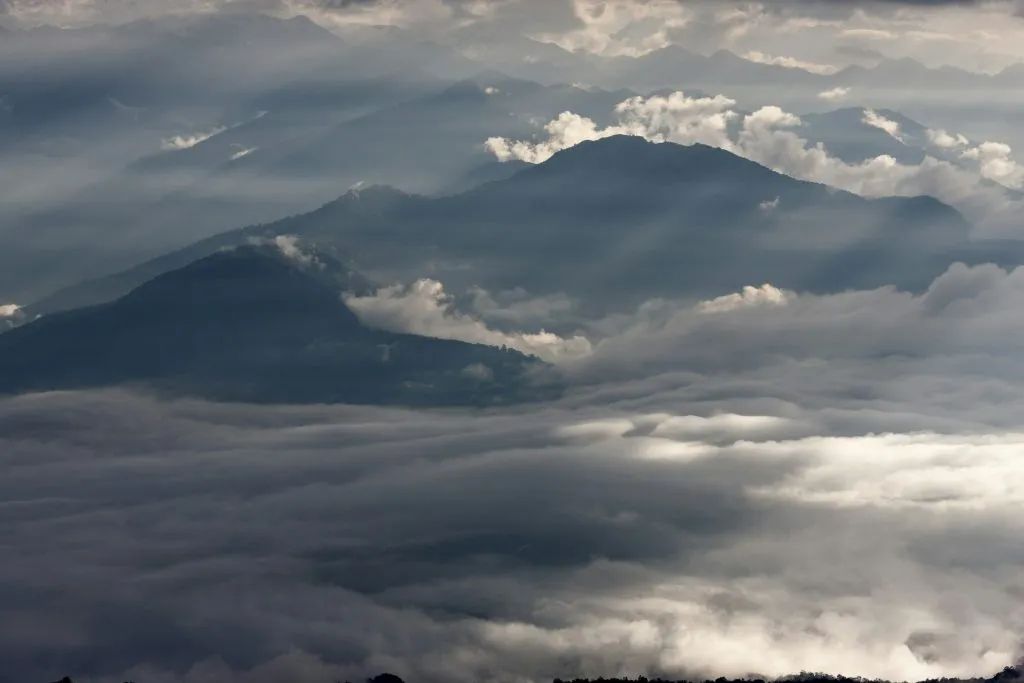
We leave Bumthang early and drive back west over Yotong La and Pele La, a long day of about eight hours with stops. The passes often sit above the cloud in the morning, so we stop wherever the view is good. We arrive in Punakha or Wangdue in the evening.
- Overnight: Punakha
- Drive: about 8 hours with stops
- Meals: breakfast, lunch and dinner
Day 10
The Rhododendron Festival at Lamperi
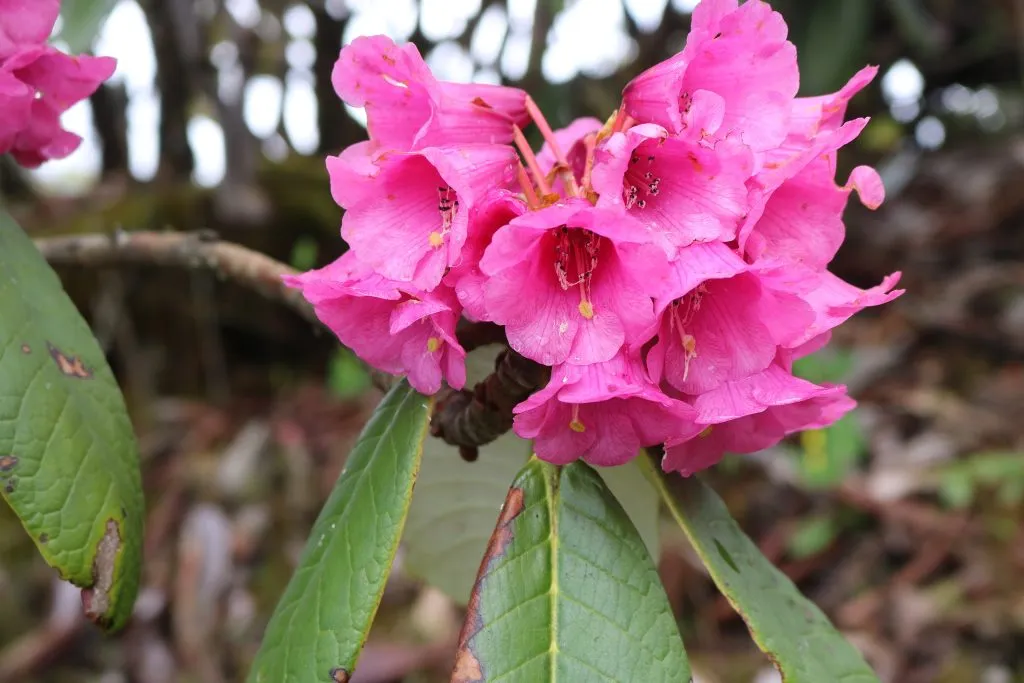
The Royal Botanical Park at Lamperi sits in forest below Dochula, and in April it is full of rhododendrons in red, pink and white. The festival has guided flower walks, stalls of local food, and songs and dances from nearby communities. It is a gentle, colourful day and a nice change after the masked dances. We continue to Thimphu in the afternoon.
- Overnight: Thimphu
- Festival: 22 and 23 April 2027
- Walking: easy forest trails
Day 11
Simtokha and Paro
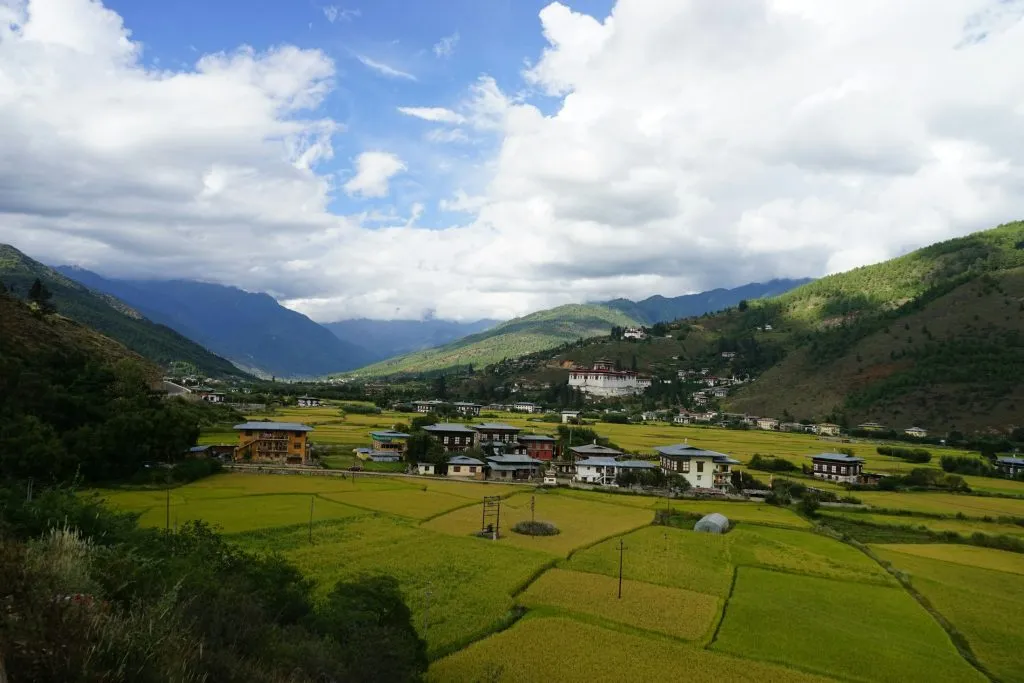
On the way out of Thimphu we stop at Simtokha Dzong, built in 1629. In Paro we walk the main street and photograph Rinpung Dzong from the traditional covered bridge below it. At dusk the dzong’s walls glow, and the bridge makes a strong foreground.
- Overnight: Paro
- Drive: about 1.5 hours
- Best light: dusk at Rinpung Dzong
Day 12
Hike to the Tiger's Nest
We start the hike early, before the trail gets busy and before the sun is straight on the cliff. The climb to the viewpoint across from the monastery takes about two to three hours, and from there you get the classic shot of Taktsang on its rock. Cameras are left at the entrance of the monastery itself. In the evening, dinner in a Paro farmhouse and a hot stone bath if you like.
- Overnight: Paro
- Hike: 5 to 6 hours return
- Altitude: about 3,120 metres
Day 13
Fly home
After breakfast your guide drives you to Paro airport for your flight. If your flight is in the afternoon, there is time for a last walk in Paro town.
- Transfer: about 15 minutes
- Meals: breakfast
Where you stay
Where you stay
Hotels chosen for location, so you are close to the light at dawn.
| Nights | Place | Where you stay | Why we chose it |
|---|---|---|---|
| 1 and 2 | Thimphu | 3-star or 4-star hotel | Central, near the Memorial Chorten |
| 3 | Punakha | 3-star or 4-star hotel | Near the dzong |
| 4 | Phobjikha | Lodge or farmhouse hotel | In the valley |
| 5 to 8 | Bumthang | 3-star or 4-star hotel | Base for Ura |
| 9 | Punakha | 3-star or 4-star hotel | After the drive west |
| 10 | Thimphu | 3-star or 4-star hotel | After Lamperi |
| 11 and 12 | Paro | 3-star or 4-star hotel | Near the Tiger's Nest trailhead |
Book early: Bumthang hotels fill up during Ura Yakchoe. Luxury upgrades are available on request.
What the price covers
Included and not included
Included
- Bhutan visa (USD 40) and the Sustainable Development Fee for every night
- Hotels as listed, 3-star as standard, with 4-star and luxury upgrades on request
- All meals: breakfast, lunch and dinner
- A licensed English-speaking guide for the whole trip
- A photographer guide who knows the festival grounds
- Private car or SUV with a Bhutanese driver, and all transfers
- Entry fees to dzongs, temples and museums
- Bottled water in the car
Not included
- International flights into and out of Paro (we can book them for you)
- Travel insurance, which we strongly recommend
- Drinks, laundry and other personal costs
- Tips for your guide and driver
- Anything not listed under included
Price on request
Tell us your budget and we will send our best price
We don’t publish one fixed price, because hotels, season and group size change the total a lot. Tell us your dates, who is travelling and the budget you have in mind. We will reply within 24 hours with our best price for this festival photography tour.
How we price
What decides the cost of this trip
Government fees
The SDF is USD 100 per adult per night until 31 August 2027, plus a USD 40 visa. These are fixed by the Government of Bhutan and paid through us.
Hotels you choose
Festival weeks are busy. The earlier you send your dates and budget, the better the hotels we can hold for you.
Season and dates
Spring and autumn are peak season. Winter and summer dates are often easier to price well.
Group size
Guide and car costs are shared, so the price per person drops for two, three or four travellers.
We send a written, itemised quote before you pay anything. No booking fees.
Good to know
Planning notes for festival photographers
About Ura Yakchoe
Ura Yakchoe is a village festival held each spring in the temple at Ura. It honours a sacred relic kept in the temple, which is shown to the public during the festival and blesses those who see it. The tentative 2027 dates are 18 to 22 April. Village festivals have smaller crowds than the big dzong tshechus, so you can work closer to the dancers, but please give them room and never step into the dance ground.
About the Rhododendron Festival
Bhutan has more than 40 species of rhododendron, and the Royal Botanical Park at Lamperi holds many of them along easy trails. The festival is held each April when they bloom, with dates for 2027 listed as 22 and 23 April. It is a relaxed event, good for flower close-ups, portraits of families out for the day and forest scenes in soft light.
Festival etiquette for photographers
Dress neatly; you will be a guest at a religious event. Stay at the edge of the dance ground, keep your flash off and never block the view of people who came to pray. Don’t climb onto temple walls or roofs. The atsara clowns may tease you, which is part of the fun, so laugh along. Read more in our Bhutan festivals guide.
Photography rules in Bhutan
You can photograph the outside of dzongs, temples and courtyards freely, and festival dances in courtyards are open to cameras. Inside shrine rooms, photography is not allowed anywhere in the country, and your guide will tell you where each building’s line is. Ask before taking close portraits of monks, nuns and villagers; most people say yes, and a smile and a look at the back of the camera go a long way. Read our Bhutan travel rules guide before you fly.
Camera gear
A wide zoom (16 to 35 mm) and a standard zoom (24 to 70 mm) cover dzongs, valleys and street scenes. For festivals and portraits, a 70 to 200 mm lets you work from the edge of the crowd. Bring more batteries than you think, because cold mornings drain them and some lodges have power cuts. A rain cover, lens cloths and a small dry bag are worth packing in every season. Tripods are fine outdoors but not in crowded festival courtyards.
Light and timing
Bhutan’s valleys run north to south and east to west, so the best side of a dzong changes from place to place. Your guide plans each day around light: dzongs and valleys early, villages and markets mid-morning, passes in the late afternoon when cloud lifts. Autumn, from October to November, has the clearest air. Spring brings rhododendrons and haze, which can be lovely for soft landscapes. Monsoon clouds make dramatic skies but mountain views are rare.
Drones
Flying a drone in Bhutan needs prior approval from the Bhutan Civil Aviation Authority, and some sites, including dzongs, the airport area and royal buildings, are off limits. Send us the drone model and your plan at least a month before you travel and we will apply for you. Approval is not guaranteed, so please don’t plan a whole shoot around aerial shots. Never carry a drone in without approval; customs can hold it until you leave.
If festival dates change
Dates come from the lunar calendar and are confirmed by the Department of Tourism each year. We check them again when you book and a few weeks before you travel. If a date moves, we shift the plan so that you still get your festival days.
Visa, SDF and guide rules
Every visitor except Indian nationals needs a visa, which costs USD 40 and is issued online before you fly. The Sustainable Development Fee is USD 100 per adult per night until 31 August 2027, with half rates for children aged 6 to 11. A Department of Tourism notice from April 2026 confirms that visitors travel with a licensed guide. We file the visa and pay the SDF for you. Read more in our Bhutan visa guide and SDF guide.
Flying into Paro
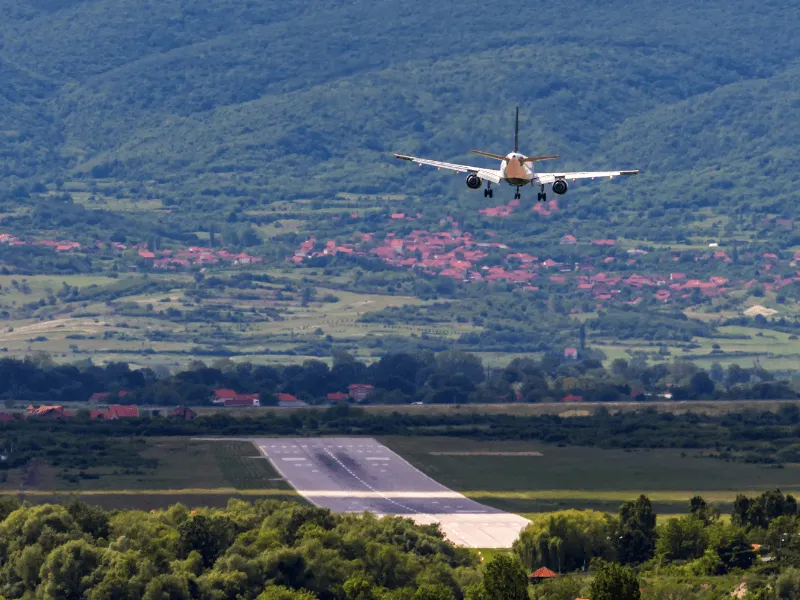
Only Drukair and Bhutan Airlines fly into Paro, mainly from Bangkok, Delhi, Kathmandu, Kolkata and Singapore. Pilots land by sight between the ridges, so morning flights are the most reliable. We suggest a night in your hub city on the way in. Our flights to Bhutan page lists every route.
Festival photography tour: questions
It depends on your hotels, group size and dates. Tell us your budget and we will reply within 24 hours with our best price, including the SDF, visa, hotels, meals, guide and car.
The tentative dates are 18 to 22 April 2027. We confirm them when you book.
Yes. Dances in temple and dzong courtyards are open to photography. Shrine rooms are not.
Yes, we send a guide who shoots and knows the festival grounds and light.
A 70 to 200 mm is the most useful lens at Ura. A wide zoom covers the rest.
Only with prior approval from the Bhutan Civil Aviation Authority, and never at the festival itself.
Yes. Partners who don’t shoot enjoy the same festivals and sights.
Five to six months ahead. Bumthang hotels fill early in festival week.
Price on request
Ask for your best price
Tell us your dates, your camera interests and your budget. We will reply within 24 hours with our best price for this festival photography tour.
- Share your budget, we shape the trip around it
- No booking fees, ever
- A reply within 24 hours
- Licensed Bhutanese tour operator
- +975 17533776
- +975 77495028
- info@deyabhutantours.com
- Thimphu, Bhutan
Let's plan your Bhutan journey
Tell us a little about your trip. Our team in Thimphu will reply with ideas, a day-by-day plan and a full price.
We’ll reply within 24 hours. No booking fees, and no obligation to book.