- Licensed Bhutanese tour operator
- Thimphu, Bhutan
Expedition trek · 27 days, 26 nights · about 20 days on trail
Snowman Trek: 27 Days Through Laya and Lunana
Bhutan’s hardest and most remote trek: from Gasa through Laya to Lunana, over high passes above 5,000 metres, past glacial lakes and out to Bumthang via the hot springs of Dhur.
- 27 days, about 20 on trail
- Several passes above 5,000 m
- Mid September to mid October
5,230 m
Gophu La, about
20
Days on trail, about
300+ km
Distance, about
Very strenuous
Trek grade
Trip overview
One of the hardest treks in the Himalaya
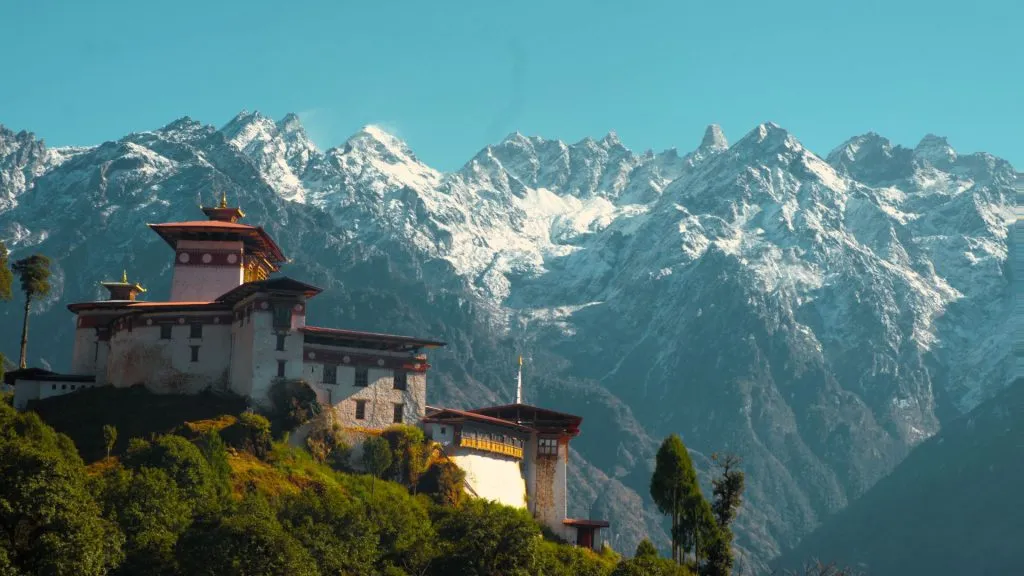
The Snowman trek crosses the remote north of Bhutan along the border with Tibet. It starts in Gasa, climbs to the highland village of Laya, then crosses a series of high passes into Lunana, a cluster of villages that can only be reached on foot. From Thanza, the main village of Lunana, the route turns south over more high passes and down through forest to the hot springs at Dhur and the road in Bumthang.
Many people who start the Snowman do not finish it. Snow can close the passes, and the altitude is high for weeks at a time. That is why it is so rarely done, and why it means so much to those who complete it. We run it only in the short window from mid September to mid October, include rest days at Laya and Thanza, and plan escape routes at each stage. You need previous high-altitude trekking experience, excellent fitness and insurance that covers helicopter evacuation.
- Laya and Lunana, reached only on foot
- Rest days at Laya and Thanza
- Ends at the Dhur hot springs in Bumthang
Highlights
What makes the Snowman special
High passes
Gangla Karchung La, Gophu La and others above 5,000 metres.
Laya and Lunana
Highland villages with their own dress and way of life.
Glacial lakes
Turquoise lakes below the glaciers of Lunana.
Wildlife
Blue sheep, marmots and yak herds on the high pastures.
Hot springs
Gasa at the start and Dhur near the end.
Gasa Dzong
The fortress below the snow peaks at the start of the trek.
Itinerary at a glance
Twenty-seven days across the north
Distances, camps and timings are approximate. Weather can change the plan, and your guide decides on safety.
Day 1: Arrive in Paro
Land in Paro, Rinpung Dzong.
Day 2: Tiger's Nest
Acclimatisation hike to Paro Taktsang.
Day 3: To Punakha
Drive via Thimphu and Dochula to Punakha.
Day 4: To Gasa, hot springs
Drive up the Mo Chhu to Gasa, soak in the hot springs.
Day 5: Gasa to Koina
Trek up the Mo Chhu valley through forest.
Day 6: Koina to Laya
Climb out of the forest to Laya village.
Day 7: Rest in Laya
Rest day, village visit.
Day 8: Laya to Rodophu
Climb into the high country to Rodophu.
Day 9: Over Tsemo La
Cross Tsemo La to Narethang.
Day 10: Over Gangla Karchung La
Cross the pass and descend to Tarina.
Day 11: Tarina to Woche
Down the Pho Chhu valley and up to Woche.
Day 12: Over Keche La to Lhedi
Cross Keche La to Lhedi.
Day 13: Lhedi to Thanza
Past Chozo Dzong to Thanza.
Day 14: Rest in Thanza
Rest day, optional hike above the village.
Day 15: Thanza to Tshorim
Climb to the lake at Tshorim.
Day 16: Over Gophu La
Cross Gophu La to Zanamzhe.
Day 17: To Geshe Woma
Follow the Sha Chhu down to Geshe Woma.
Day 18: Over Saga La
Cross Saga La to Warathang.
Day 19: To Dhur Tsachu
Descend to the Dhur hot springs.
Day 20: Rest at Dhur Tsachu
Rest and soak at the hot springs.
Day 21: To Tshochenchen
Through forest to Tshochenchen.
Day 22: Out to Bumthang
Walk out to Dhur village and drive to Jakar.
Day 23: Bumthang
Jambay and Kurjey Lhakhang, rest.
Day 24: To Trongsa
Yotong La, Trongsa Dzong.
Day 25: To Punakha
Pele La, then down to Punakha.
Day 26: To Paro
Over Dochula to Paro, farewell dinner.
Day 27: Fly out
Transfer to Paro airport.
Day 1
Arrive in Paro
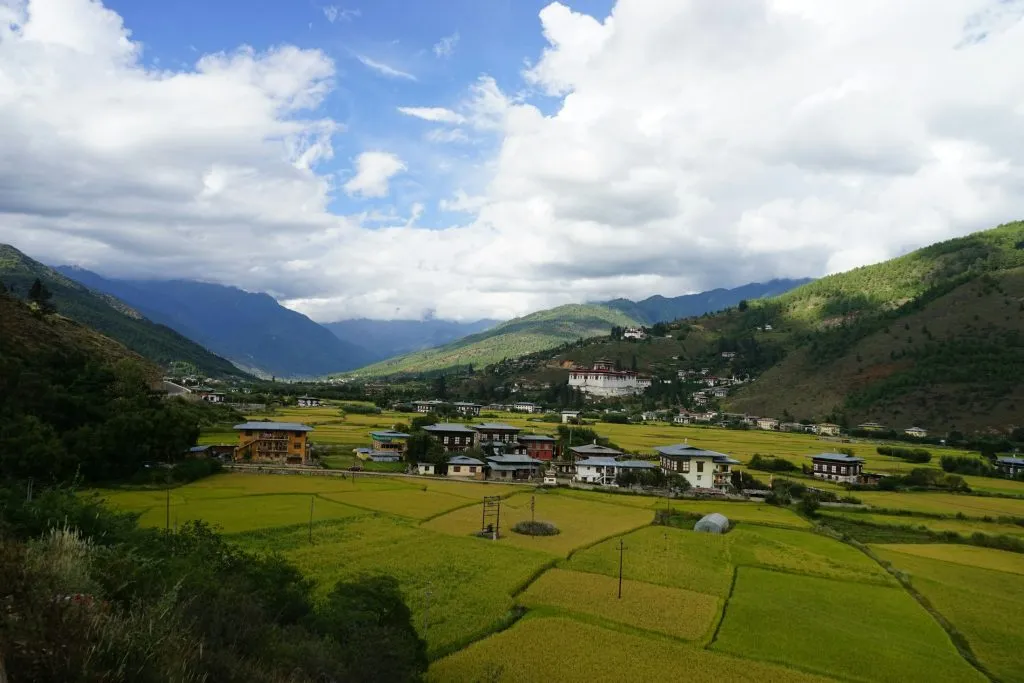
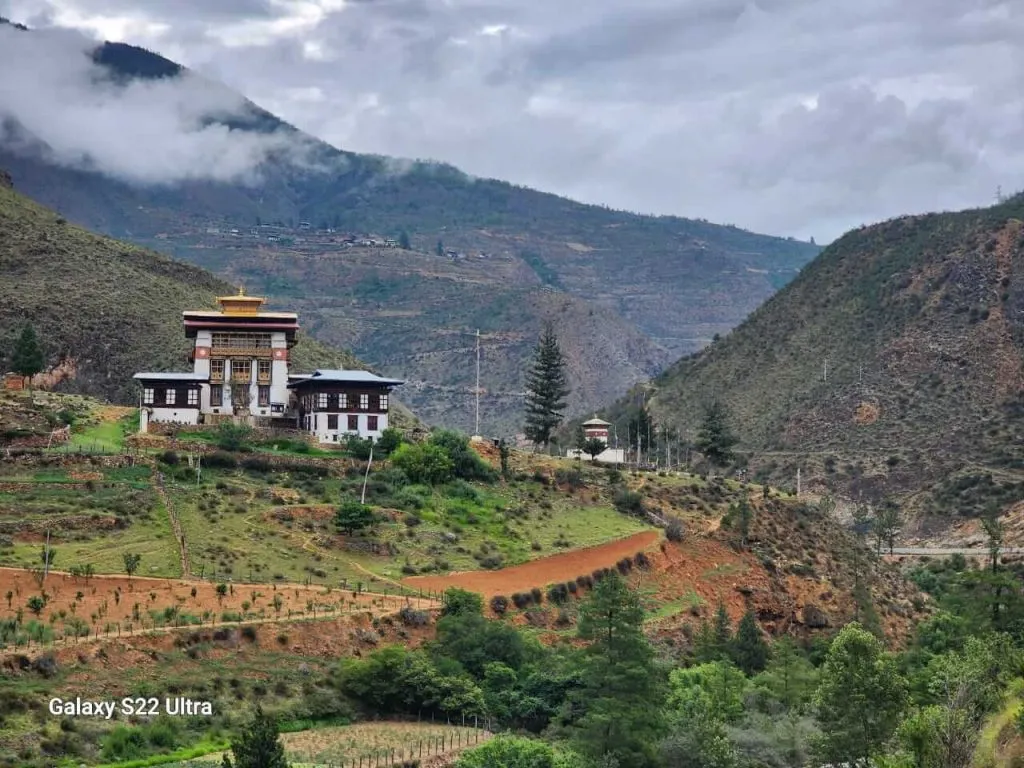
Your guide meets you at the airport. A short walk to Rinpung Dzong in the afternoon, then rest.
- Overnight: Paro
- Altitude: about 2,200 m
- Meals: lunch and dinner
Day 2
Acclimatise on the Tiger's Nest
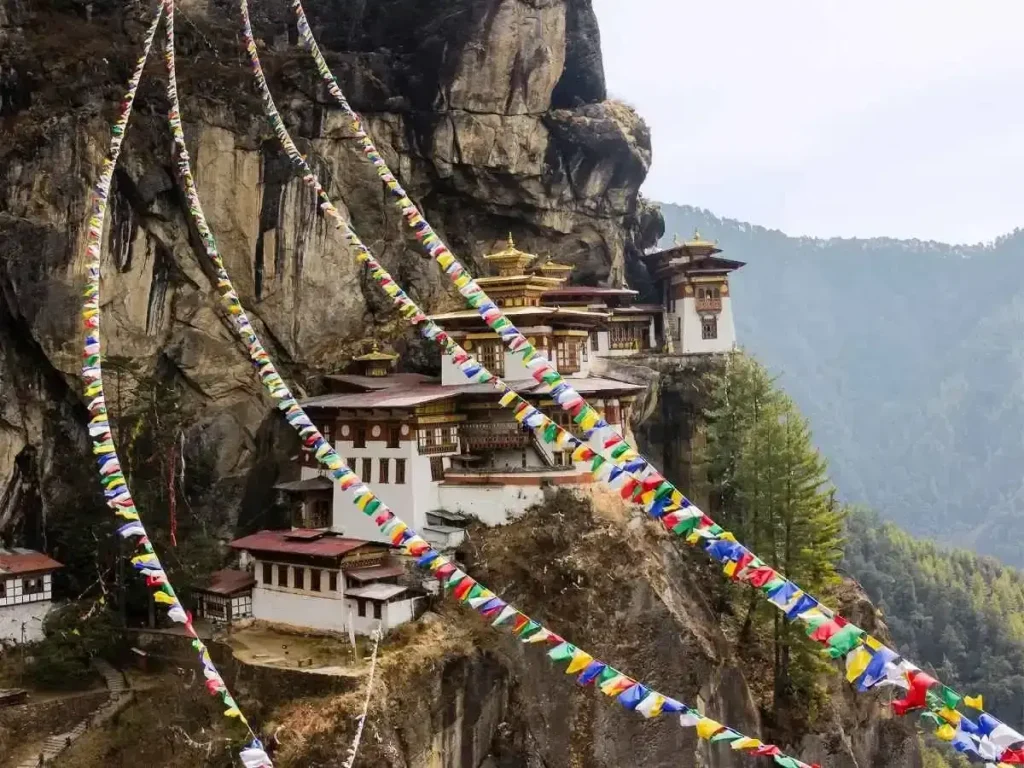
The hike to Paro Taktsang, at about 3,120 metres, is the first acclimatisation step. In the evening, a full gear check with your trek leader.
- Overnight: Paro
- Hike: 4 to 6 hours
- Gear check
Day 3
Over Dochula to Punakha
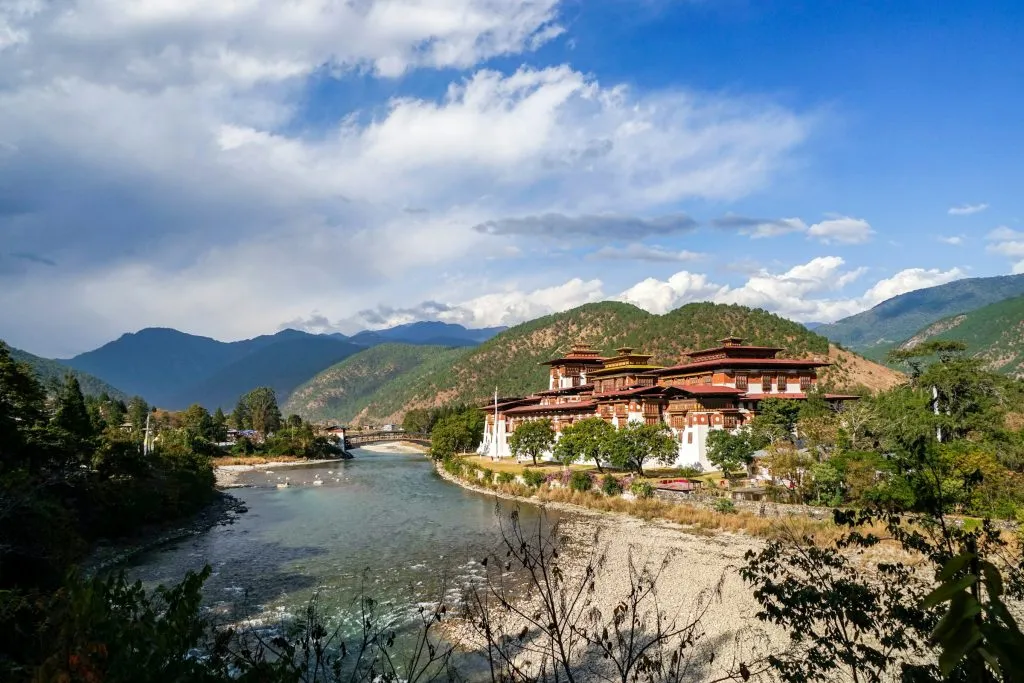
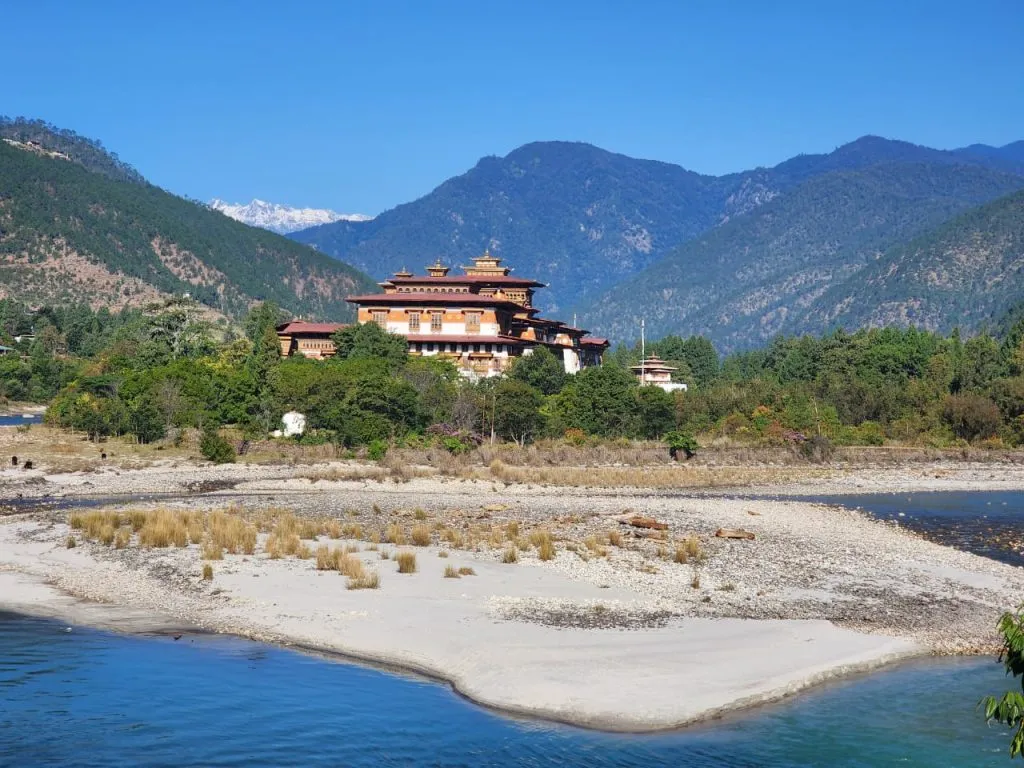
We drive over Dochula to Punakha and visit Punakha Dzong, built in 1637. The last night in a hotel for several weeks.
- Overnight: Punakha
- Drive: about 4 hours
- Last hotel night before the trek
Day 4
Up the valley to Gasa
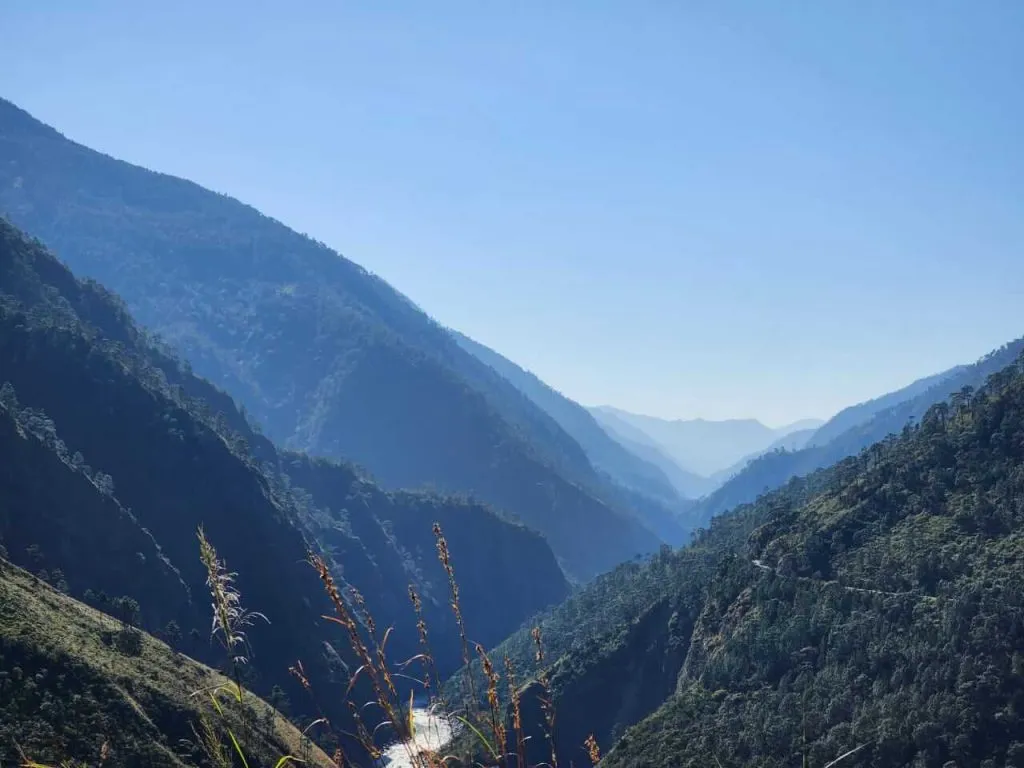
We drive north up the Mo Chhu valley to Gasa and soak in the Gasa tsachu, the hot springs by the river. Gasa Dzong stands on the hillside above. The crew and pack animals meet us here.
- Camp: near Gasa, about 2,800 m
- Drive: about 3 to 4 hours
- Afternoon: hot springs
Day 5
Trek: Gasa to Koina
The trail climbs through forest above the Mo Chhu, with a pass at Bari La, then drops to the camp at Koina, a muddy clearing in the woods. A long first day.
- Camp: Koina, about 3,050 m
- Walking: 6 to 7 hours
- Distance: about 19 km
Day 6
Trek: up to Laya
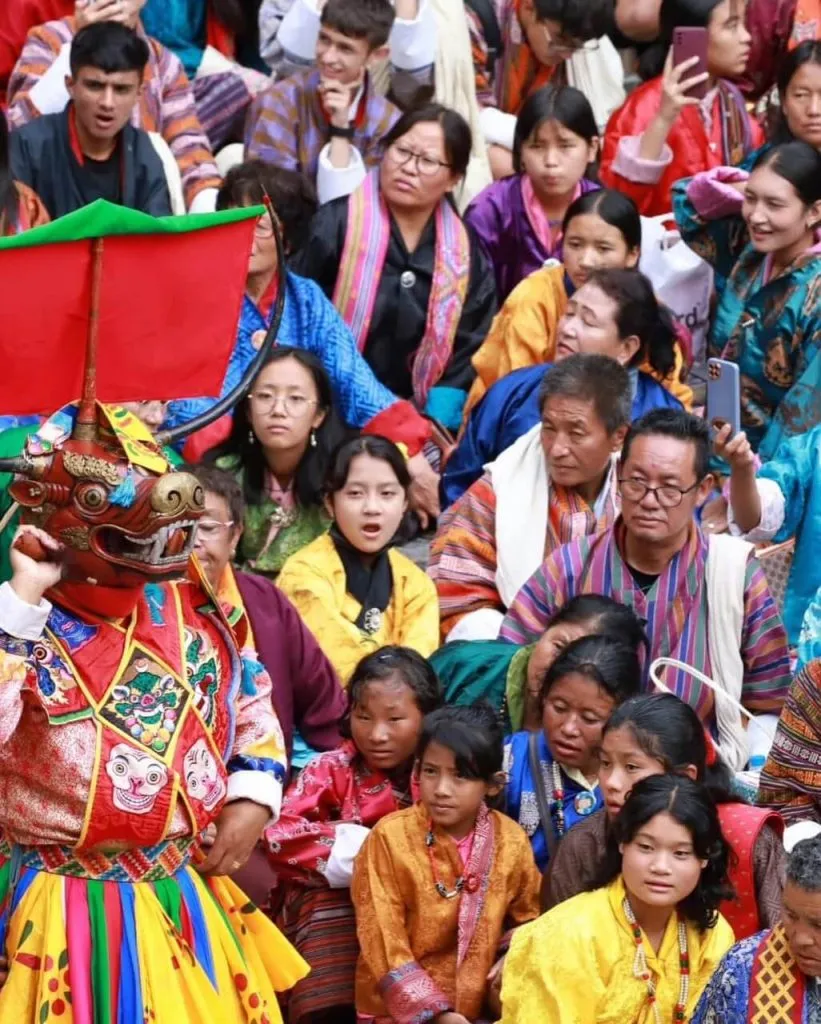
The trail climbs steeply out of the gorge to Laya, a village of stone houses and barley fields at about 3,800 metres, home of the Layap, known for the conical bamboo hats worn by the women.
- Camp: Laya, about 3,800 m
- Walking: 5 to 6 hours
- Distance: about 10 km
Day 7
Rest day in Laya
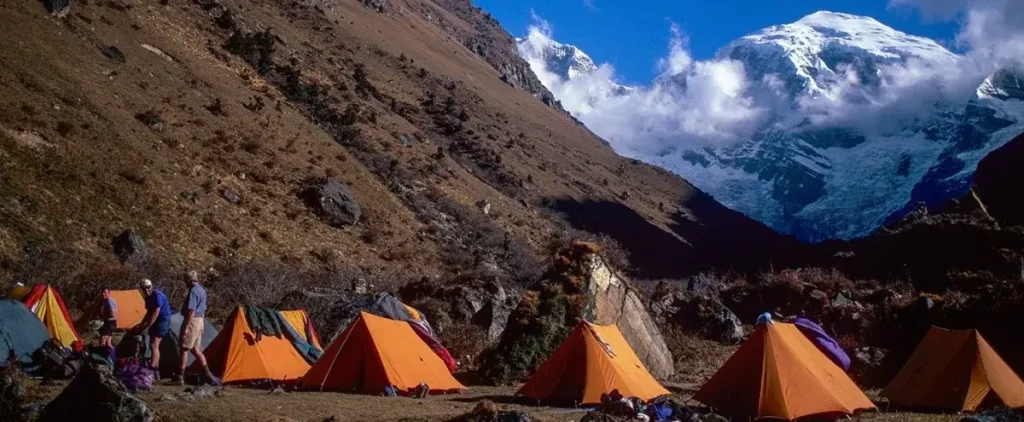
A rest and acclimatisation day. Walk through the village, visit a home for butter tea and learn how families live with their yaks. Pack animals change here: yaks carry the loads from Laya on.
- Camp: Laya
- Rest and acclimatisation
- Pack animals change to yaks
Day 8
Trek: to Rodophu
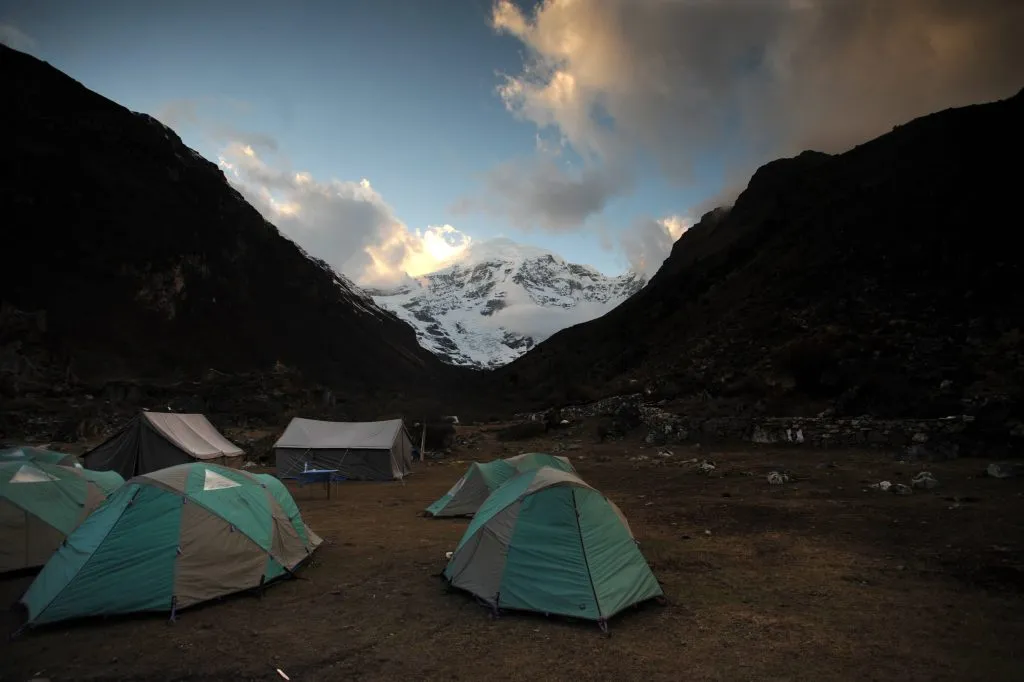
The trail leaves the last fields behind and climbs through rhododendron and juniper to the camp at Rodophu, below a glacier.
- Camp: Rodophu, about 4,350 m
- Walking: 6 to 7 hours
- Distance: about 19 km
Day 9
Trek: over Tsemo La to Narethang
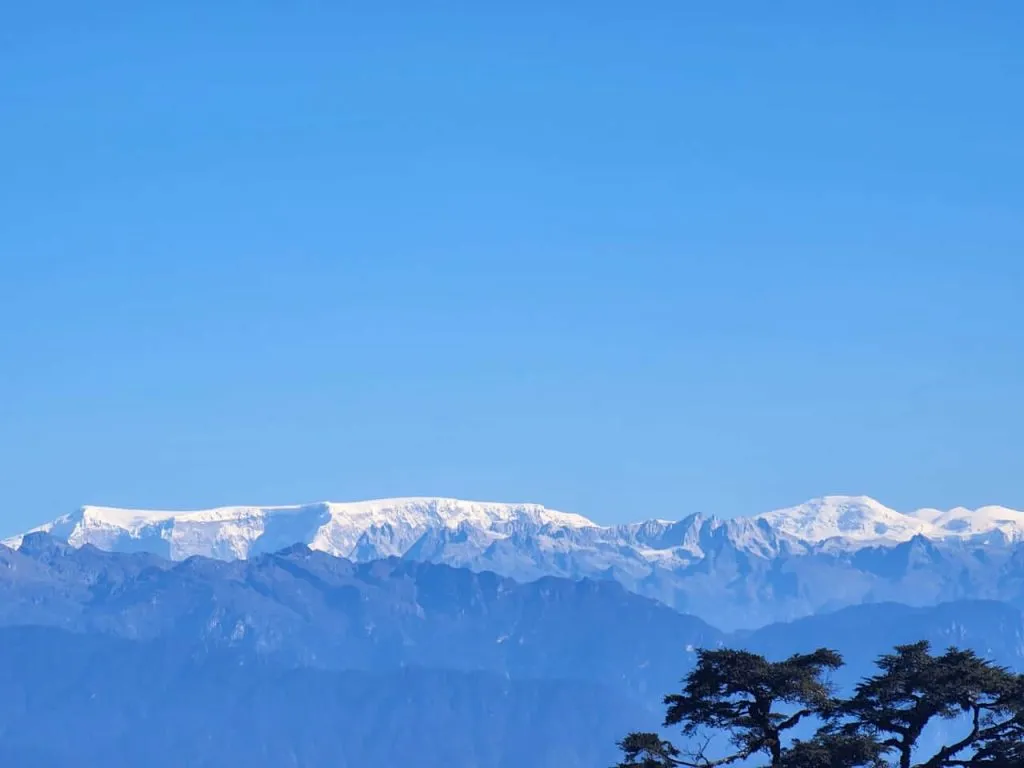
A climb over Tsemo La, at about 4,900 metres, and across high plateaus to Narethang, with views of Gangchhenta, the Great Tiger Mountain.
- Camp: Narethang, about 4,900 m
- Walking: 5 to 6 hours
- Highest point: about 4,900 m
Day 10
Trek: over Gangla Karchung La
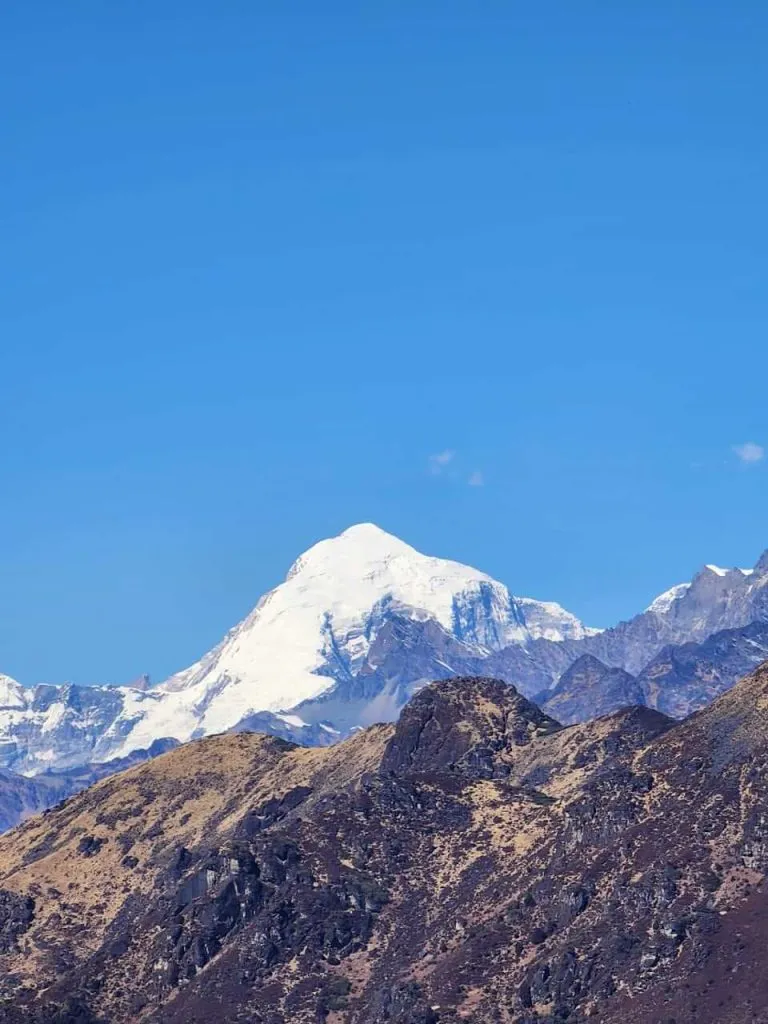
The first big pass. From Gangla Karchung La, at about 5,120 metres, the peaks and glaciers of Lunana spread out ahead. A long, steep descent past glacial lakes leads to Tarina.
- Camp: Tarina, about 3,970 m
- Walking: 7 to 8 hours
- Highest point: about 5,120 m
Day 11
Trek: to Woche
The trail follows the Pho Chhu down through forest, then climbs to Woche, the first village of Lunana.
- Camp: Woche, about 3,940 m
- Walking: 6 to 7 hours
- First Lunana village
Day 12
Trek: over Keche La to Lhedi
Over Keche La, at about 4,650 metres, with views of Table Mountain, and down to Lhedi, which has a school and a basic health post.
- Camp: Lhedi, about 3,700 m
- Walking: 6 to 7 hours
- Highest point: about 4,650 m
Day 13
Trek: to Thanza
Up the Pho Chhu past Chozo village and its small dzong to Thanza, the main village of Lunana, below the great wall of Zongophu Gang, known as Table Mountain.
- Camp: Thanza, about 4,150 m
- Walking: 6 to 7 hours
- Heart of Lunana
Day 14
Rest day in Thanza
A rest day. Hike up the ridge for views of the glacial lakes and Table Mountain, or spend time in the village. This is the most remote part of Bhutan you are likely to visit.
- Camp: Thanza
- Rest and acclimatisation
- Optional hike: 3 to 4 hours
Day 15
Trek: to Tshorim
A steep climb out of Thanza to a high plateau and the lake at Tshorim, at about 5,100 metres, one of the highest camps of the trek.
- Camp: Tshorim, about 5,100 m
- Walking: 6 to 7 hours
- One of the highest camps
Day 16
Trek: over Gophu La
Gophu La, at about 5,230 metres, is the highest pass on the route. On a clear day the views include Gangkar Puensum, Bhutan’s highest mountain. The trail descends along a glacier to Zanamzhe.
- Camp: Zanamzhe, about 5,080 m
- Walking: 6 to 7 hours
- Highest point: about 5,230 m
Day 17
Trek: to Geshe Woma
A long walk down the Sha Chhu valley to Geshe Woma, back below 4,500 metres at last.
- Camp: Geshe Woma, about 4,200 m
- Walking: 6 to 7 hours
- Descending
Day 18
Trek: over Saga La
Over Saga La, at about 4,500 metres, and down through forest to Warathang.
- Camp: Warathang, about 4,000 m
- Walking: 6 to 7 hours
- Highest point: about 4,500 m
Day 19
Trek: down to Dhur hot springs
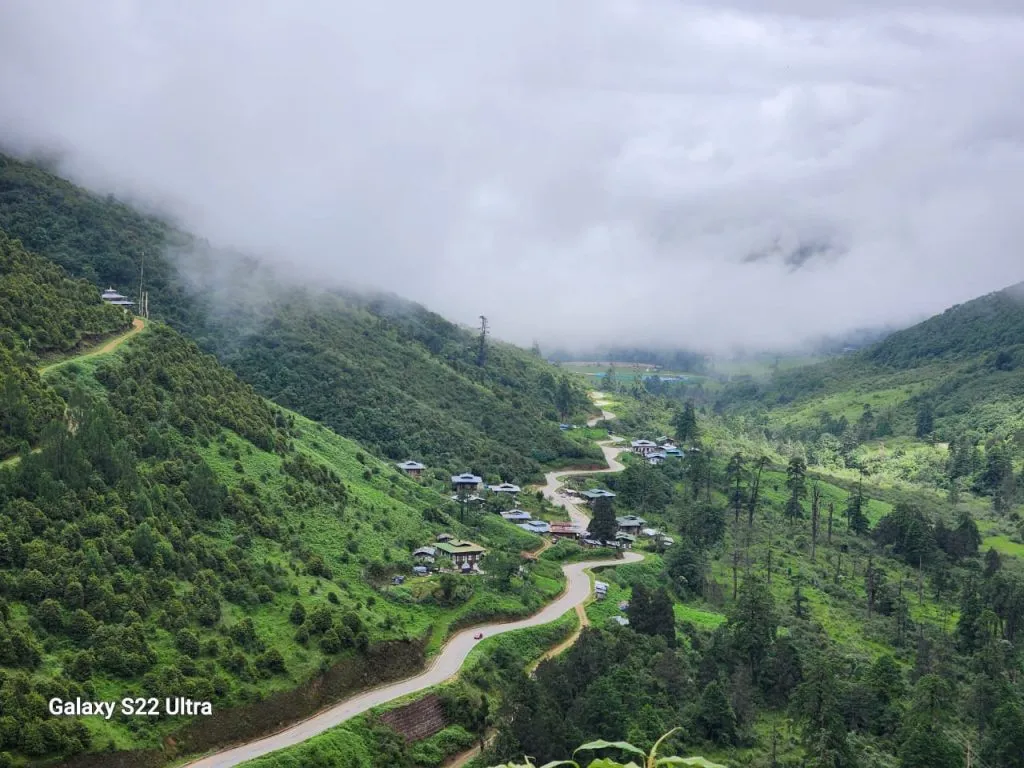
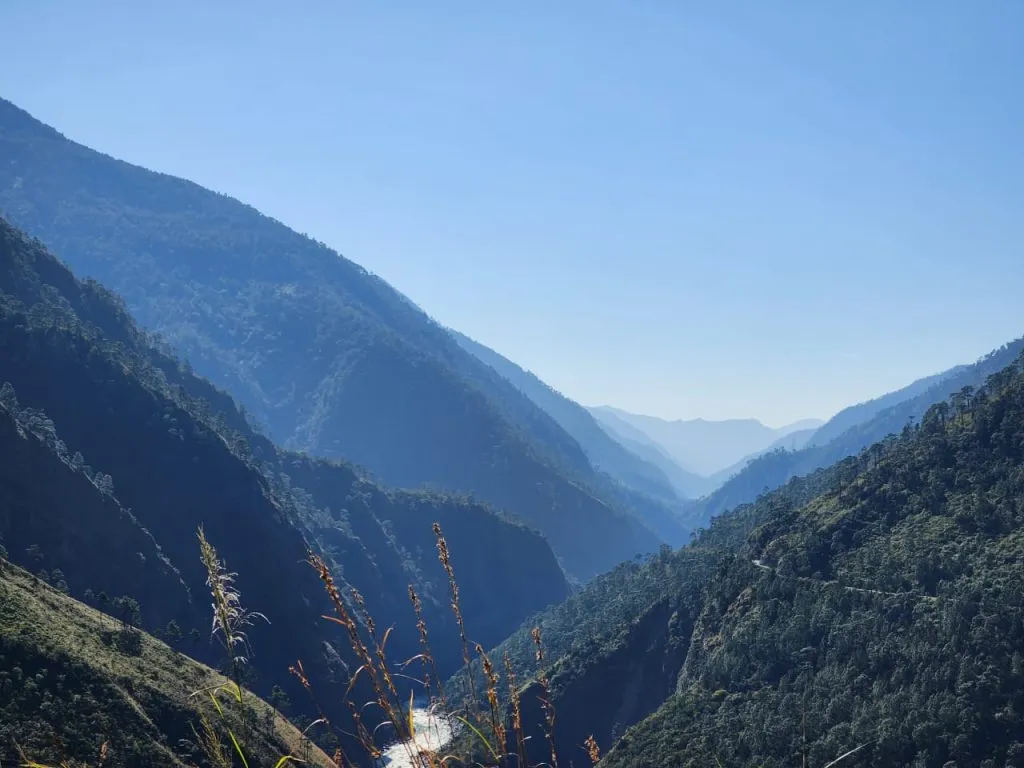
A steep descent through forest to the hot springs at Dhur Tsachu, a series of natural pools beside the river. After weeks on the trail, a soak here is unforgettable.
- Camp: Dhur Tsachu, about 3,600 m
- Walking: 5 to 6 hours
- Afternoon: hot springs
Day 20
Rest day at the hot springs
A spare day at the hot springs. It is also our weather buffer: if snow delayed us earlier, this is the day we use.
- Camp: Dhur Tsachu
- Rest or weather buffer
- Hot springs
Day 21
Trek: to Tshochenchen
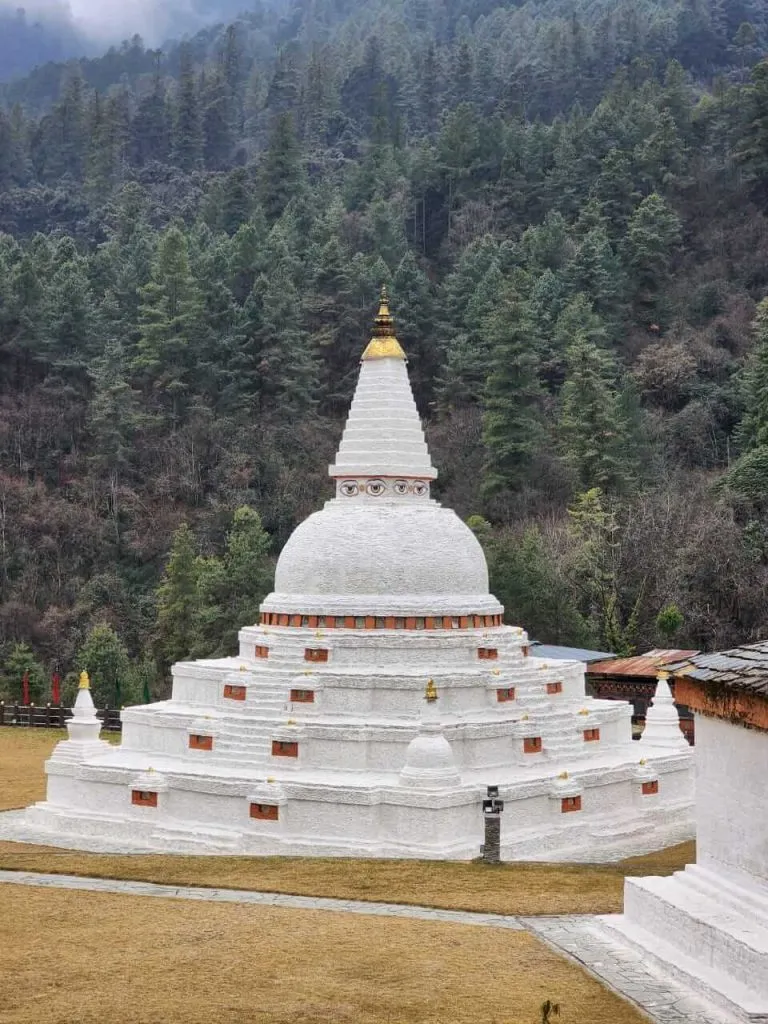
A day through forest along the Dhur Chhu to Tshochenchen.
- Camp: Tshochenchen, about 3,850 m
- Walking: 6 to 7 hours
- Forest trail
Day 22
Out to Bumthang
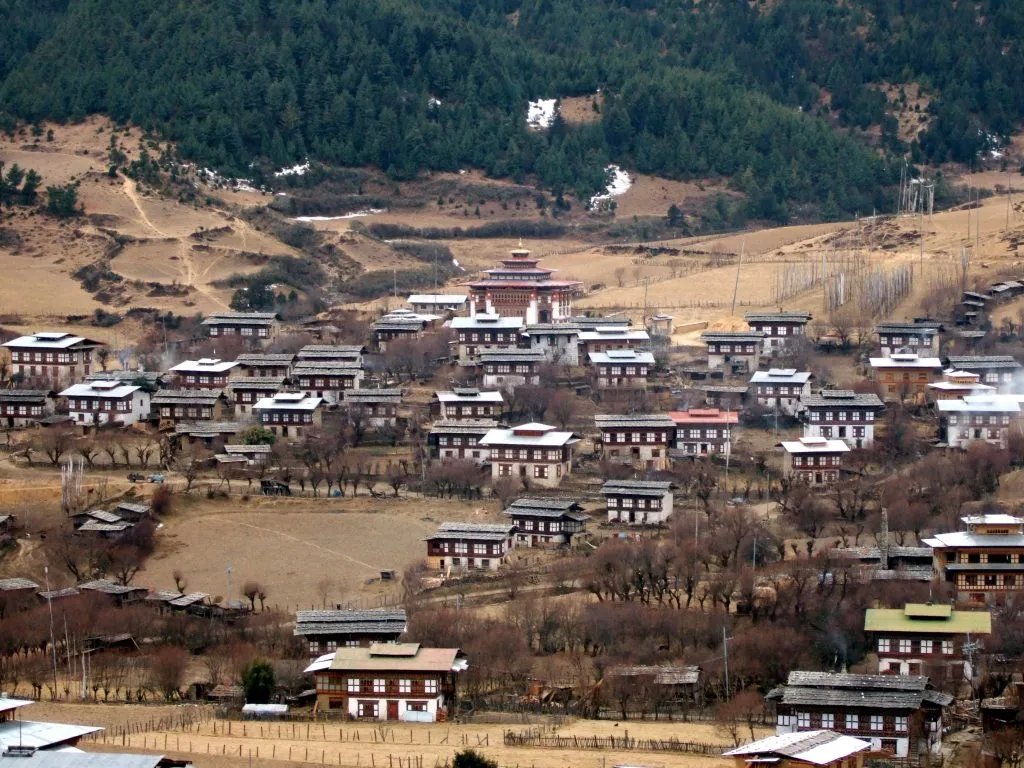
The final day on foot follows the river to the road at Dhur village in Bumthang. The crew says goodbye, and the car takes you to a hotel in Jakar for a long hot shower.
- Overnight: Bumthang
- Walking: 7 to 8 hours
- End of the trek
Day 23
Recover in Bumthang
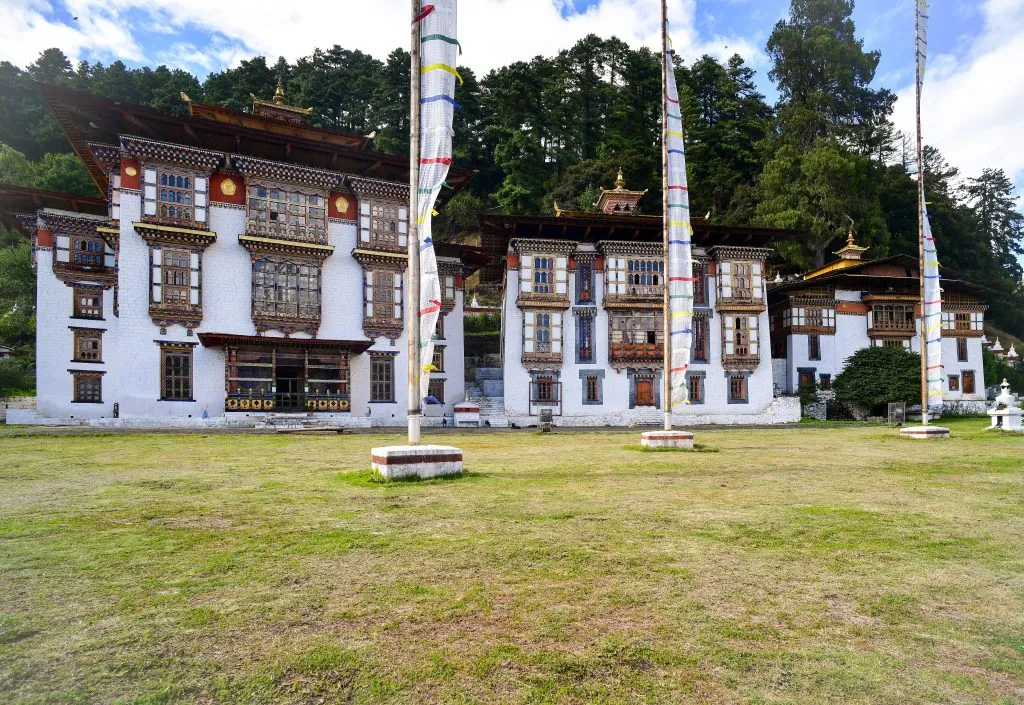
An easy day visiting Jambay Lhakhang and Kurjey Lhakhang, two of the oldest temples in Bhutan, and resting.
- Overnight: Bumthang
- Walking: about 1 hour
- Rest day
Day 24
To Trongsa
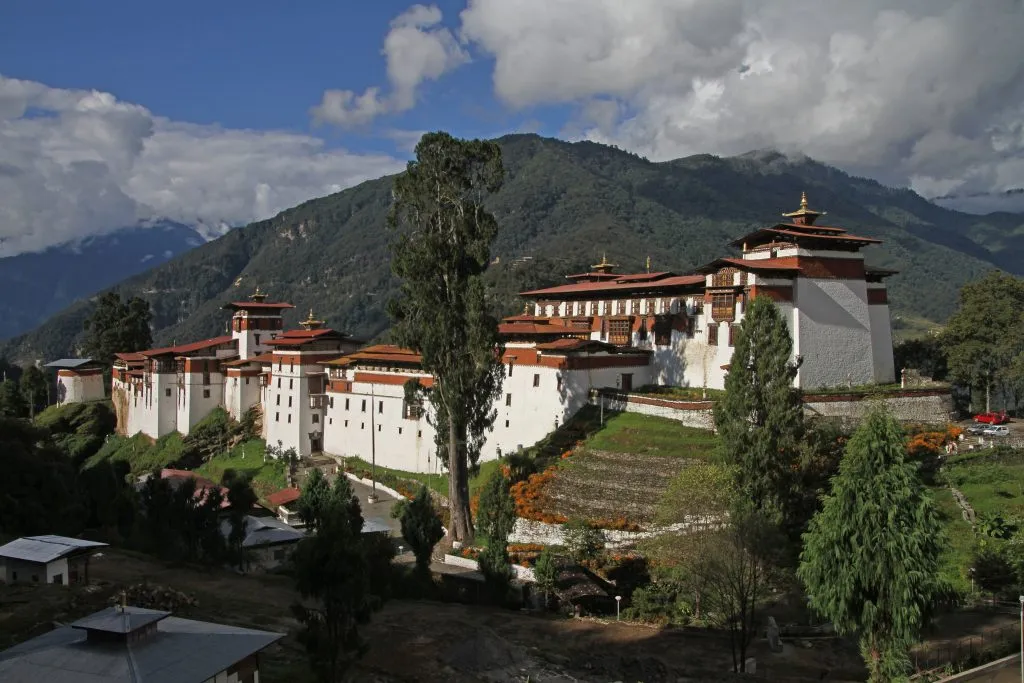
Over Yotong La to Trongsa and its great dzong, the ancestral seat of the royal family.
- Overnight: Trongsa
- Drive: about 2.5 hours
- Trongsa Dzong
Day 25
Back west to Punakha
Over Pele La and down to the warm Punakha valley.
- Overnight: Punakha
- Drive: about 5 hours
- Afternoon free
Day 26
Back to Paro
We drive over Dochula to Paro for a farewell dinner. This day is also a buffer if the trek ran late.
- Overnight: Paro
- Drive: about 4 hours
- Farewell dinner
Day 27
Farewell to Bhutan
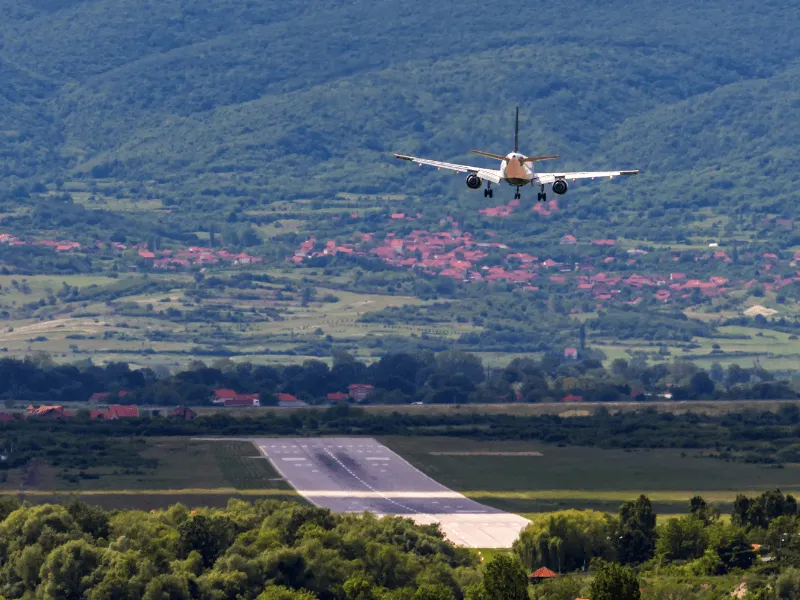
Your guide takes you to Paro airport for your flight home.
- Transfer: about 10 minutes
- Meals: breakfast
- Congratulations
Where you stay
Where you sleep
Hotels at the start and end, full-service camping for about 20 nights.
| Nights | Place | Where you stay | Why we chose it |
|---|---|---|---|
| 1 to 3 | Paro and Punakha | 3-star or 4-star hotels | Acclimatise and prepare |
| 4 to 21 | Trail camps | Expedition tents, dining, kitchen and toilet tents | Crew, cook, horses and yaks |
| 22 to 26 | Bumthang, Trongsa, Punakha, Paro | 3-star or 4-star hotels | Recover and travel back |
We carry a satellite phone, oxygen and a full medical kit on the Snowman.
What the price covers
Included and not included
Included
- Bhutan visa (USD 40) and the Sustainable Development Fee for every night
- Hotels as listed, 3-star as standard, with 4-star and luxury upgrades on request
- All meals in hotels and on the trek, cooked by our trek cook
- A licensed trekking guide, plus a cook and camp crew
- Pack animals for the luggage, tents, mattresses, dining and toilet tents
- Trekking and park permits
- Private car with driver for the road sections
- Satellite phone and emergency oxygen
Not included
- International flights into and out of Paro (we can book them for you)
- Travel insurance, which we strongly recommend
- Sleeping bag and personal trekking gear (we can rent a sleeping bag)
- Emergency evacuation costs, which your insurance should cover
- Tips for the trek crew, guide and driver
Price on request
Tell us your budget and we will send our best price
We don’t publish one fixed price, because hotels, season and group size change the total a lot. Tell us your dates, who is travelling and the budget you have in mind. We will reply within 24 hours with our best price for this Snowman trek.
How we price
What decides the cost of this trip
Government fees
The SDF is USD 100 per adult per night until 31 August 2027, plus a USD 40 visa. These are fixed by the Government of Bhutan and paid through us.
Hotels you choose
The Snowman is priced per group, with the crew, yaks and horses shared. Larger groups get much better value.
Season and dates
Spring and autumn are peak season. Winter and summer dates are often easier to price well.
Group size
Guide and car costs are shared, so the price per person drops for two, three or four travellers.
We send a written, itemised quote before you pay anything. No booking fees.
Good to know
Planning notes for the Snowman
Who should do the Snowman?
Only experienced trekkers who have been above 5,000 metres before and who are comfortable with three weeks of camping in cold, remote country. Snow, illness or injury can end the trek early, and evacuation depends on helicopter weather. In 2023 the route also hosted the Snowman Race, an ultra-marathon run to draw attention to climate change in the Himalaya.
When to go
The window is short: from about mid September to mid October, after the monsoon and before the passes close with snow. We plan departures carefully within that window. Even then, early snow sometimes forces a change of route.
Fitness and safety on trek
You walk six to eight hours on most trek days, often above 4,000 metres. Regular hiking in the months before makes a real difference. Your guide carries a first aid kit and watches for altitude sickness; the only cure for serious symptoms is to go down, and we always plan an escape route. Tell us about any heart, lung or knee problems when you book, and make sure your insurance covers trekking at altitude and evacuation.
What to bring on trek
Broken-in waterproof boots, a down jacket, thermal layers, a waterproof shell, a warm hat and gloves, sunglasses, sunscreen, trekking poles and a four-season sleeping bag (we can rent one). Our crew carries tents, mattresses, the kitchen and all food. See our packing list for the basics.
Visa, SDF and guide rules
Every visitor except Indian nationals needs a visa, which costs USD 40 and is issued online before you fly. The Sustainable Development Fee is USD 100 per adult per night until 31 August 2027, with half rates for children aged 6 to 11. A Department of Tourism notice from April 2026 confirms that visitors travel with a licensed guide. We file the visa and pay the SDF for you. Read more in our Bhutan visa guide and SDF guide.
Snowman trek: questions
It depends on group size and dates. Tell us your budget and we will reply with our best price, including the SDF, visa, permits, crew, yaks, camping, meals and transport.
It is one of the hardest treks in the world: about 20 days on trail, several passes above 5,000 metres and long stretches far from help.
From about mid September to mid October.
Many groups are turned back by snow or altitude. We include rest days and a weather buffer to improve your chances.
We carry a satellite phone, oxygen and a medical kit. Evacuation is by helicopter, weather permitting, and your insurance must cover it.
Yes. The Laya trek or the Jomolhari trek give a taste of the high country in 10 to 14 days.
At least six months ahead, as permits, crew and yaks take time to organise.
Price on request
Ask for your best price
Tell us your dates, group size, high-altitude experience and budget. We will reply with our best price for the Snowman trek.
- Share your budget, we shape the trip around it
- No booking fees, ever
- A reply within 24 hours
- Licensed Bhutanese tour operator
- +975 17533776
- +975 77495028
- info@deyabhutantours.com
- Thimphu, Bhutan
Let's plan your Bhutan journey
Tell us a little about your trip. Our team in Thimphu will reply with ideas, a day-by-day plan and a full price.
We’ll reply within 24 hours. No booking fees, and no obligation to book.