- Licensed Bhutanese tour operator
- Thimphu, Bhutan

Bhutan festivals · 2027 guide
Jhomolhari Mountain Festival 2027: highland culture at the foot of a sacred peak
Two days of yak herder culture, food and conservation at Dangochong, below Mount Jomolhari. Expected on 14 to 15 October 2027. You trek in.
- 14 to 15 October 2027
- Dangochong, Soe, Thimphu district
- Trek required
14 to 15 Oct
Expected dates in 2027
2013
Year of the first festival
7,300 m
Approximate height of Mount Jomolhari
2 to 3 days
Trek from the road head
About the festival
A festival you walk to
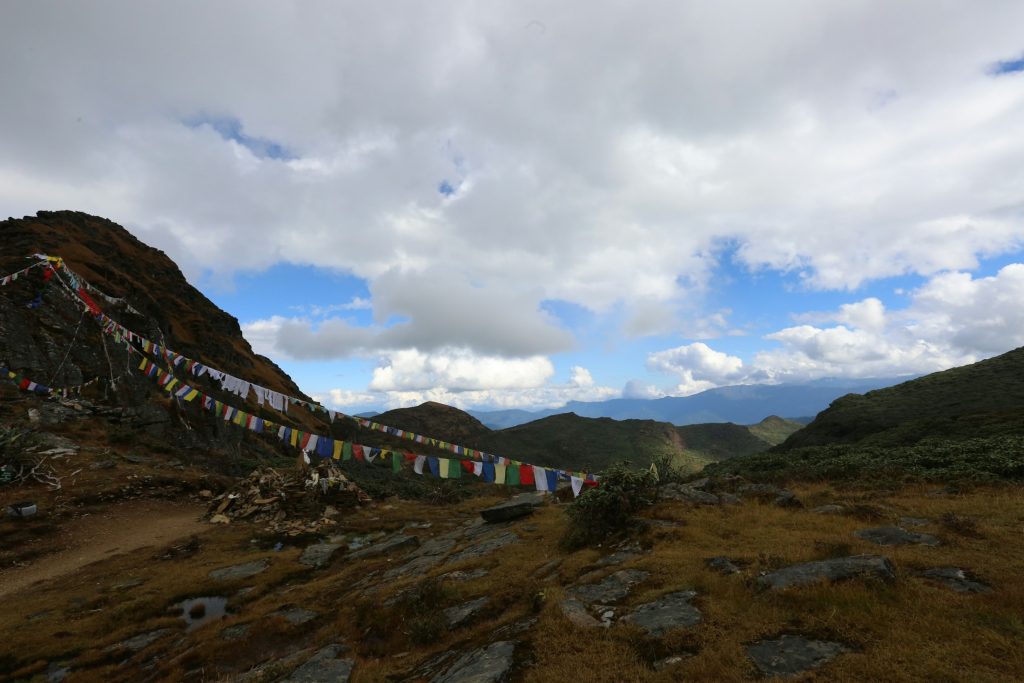
Mount Jomolhari, at about 7,300 metres, is one of Bhutan’s most sacred mountains, rising on the border with Tibet. Below it, in the Soe area of Thimphu district, yak herders live in scattered settlements at around 4,000 metres. The Jhomolhari Mountain Festival was first held in 2013, organised by Jigme Dorji National Park with partners, to celebrate highland culture and support the protection of the snow leopard.
The festival brings herders together at Dangochong for two days of folk songs and dances, yak displays, local food, handicrafts and talks on conservation. Visitors stay in tents or homestays and must walk in, usually on the first days of the Jomolhari trek. It suits fit travellers who want a festival with mountains rather than temples.
- Yak herder culture at about 4,000 m
- Supports snow leopard conservation
- Combines with the Jomolhari trek
Festival facts
Jhomolhari Mountain Festival 2027 at a glance
| Topic | Details |
|---|---|
| Dates in 2027 | 14 to 15 October 2027 |
| Venue | Dangochong, Soe |
| District | Thimphu (northern highlands) |
| Altitude | Around 4,000 m at the festival ground |
| Getting there | A 2 to 3 day trek from the road head in upper Paro valley |
| Accommodation | Camping with a full crew, or simple homestays |
| Fitness | Good fitness and acclimatisation are essential |
| Entry | Free and open to visitors with a licensed guide; the SDF and visa rules apply as on any day |
Dates follow the Department of Tourism’s tentative festival list for 2027 and the lunar calendar. They can shift by a day or two, so we confirm them before you book flights.
What you will see
Highlights of Jhomolhari Mountain Festival
Mount Jomolhari
The sacred snow peak above the festival ground.
Yaks and herders
Herders show their animals, crafts and way of life.
Folk songs and dances
Performances by highland communities.
Highland food
Yak cheese, butter tea and local dishes.
Conservation
Talks on snow leopards and the national park.
Camp life
Nights in tents under very clear skies.
History and meaning
About the festival
Why it began
The first Jhomolhari festival was held in October 2013, organised by Jigme Dorji National Park, the Bhutan Foundation and the government’s nature recreation and ecotourism division. The aim was to show highland culture to visitors, bring income to herding families through homestays and food, and build support for protecting snow leopards, which share these mountains with the herders.
Jigme Dorji National Park
The park covers much of Bhutan’s north-west and is home to snow leopards, takin and blue sheep. The Jomolhari trek crosses it, passing herders’ camps and high passes.
Planning
How to plan your visit
How to go
Most visitors join the festival as part of a Jomolhari trek, spending a few days in Paro and Thimphu first to acclimatise. Insurance should cover trekking to about 5,000 metres and evacuation. Our Druk Path vs Jomolhari guide explains the trek.
Etiquette
How to behave at a Bhutanese festival
Festivals are religious events first, so dress as you would for a temple: long sleeves and long trousers or a long skirt, and no hats inside the dzong or temple. Never walk across the dance ground, even when it looks empty between dances. Photography is usually allowed from the edges without flash, but some rituals and inner temples are off limits; your guide will tell you when to put the camera away. Ask before taking close-up portraits.
Arrive early for a good spot, bring water, a hat and a cushion or mat, and expect to be teased by the atsaras, the masked clowns who keep the crowd in order. If someone offers you food or a cup of tea, it is polite to accept. Our guide to Bhutanese festivals explains the dances in more detail.
Trips
Build a trip around Jhomolhari Mountain Festival
Every trip is private, so we can time it to the festival dates and add the places nearby.
Before you go
Travel rules for 2027
Every visitor except Indian, Bangladeshi and Maldivian nationals needs a visa, which costs USD 40 and is arranged by your tour operator. The Sustainable Development Fee is USD 100 per adult per night until 31 August 2027; children under 6 pay nothing and children aged 6 to 12 pay half. Indian visitors pay INR 1,200 per night. Tourists travel with a licensed guide beyond the first checkpoint and stay in certified hotels or homestays.
The SDF does not change during festival weeks, but hotel rooms near popular festivals fill early. See our visa and SDF guide and Bhutan travel rules.
Jhomolhari Mountain Festival: questions
Expected on 14 to 15 October 2027 at Dangochong.
No. You trek in, usually over two to three days.
Fit and acclimatised. The festival ground is at around 4,000 metres.
No. Bhutanese festivals are free. You attend with your licensed guide, who also explains the dances.
The Department of Tourism lists 14 to 15 October 2027 as the tentative 2027 dates. Lunar dates are occasionally adjusted, so we reconfirm before you book flights.
See Jhomolhari Mountain Festival in 2027
Tell us your dates and who is travelling. We will check the festival date, hold hotels nearby and send a day-by-day plan with one price that includes the SDF, visa, guide and car.
Photo credits, via Wikimedia Commons: Mount Jomolhari from the Bhutan side (Christopher Fynn, CC BY-SA 3.0); Tashichho Dzong in Thimphu (Bernard Gagnon, CC BY-SA 4.0).
