- Licensed Bhutanese tour operator
- Thimphu, Bhutan
Special interest tour · 14 days, 13 nights (12 to 21 day options)
14 Day Bhutan Orchid and Botanical Tour: Orchids, Rhododendrons, Blue Poppies and Himalayan Forests
Follow Bhutan’s plants from subtropical valleys to alpine passes, with a naturalist guide, visits to the Royal Botanical Garden and the Royal Botanical Park, and time to search for orchids, rhododendrons and primulas in the wild.
- 14 days, 13 nights
- 12 to 21 day options
- Naturalist guide
499
Orchid species recorded in Bhutan
5,000+
Flowering and other vascular plants
70%+
Forest cover
Easy to moderate
Grade
Trip overview
A country made of forest
Bhutan is one of the greenest countries on earth. More than 70 percent of the land is under forest, the constitution requires that at least 60 percent stays that way, and within a few hours’ drive the vegetation changes from subtropical jungle to oak and rhododendron forest, then to fir, juniper and alpine meadows. That range of altitude and rainfall gives Bhutan a remarkable number of plants for its size, with more than 5,000 species of vascular plants recorded.
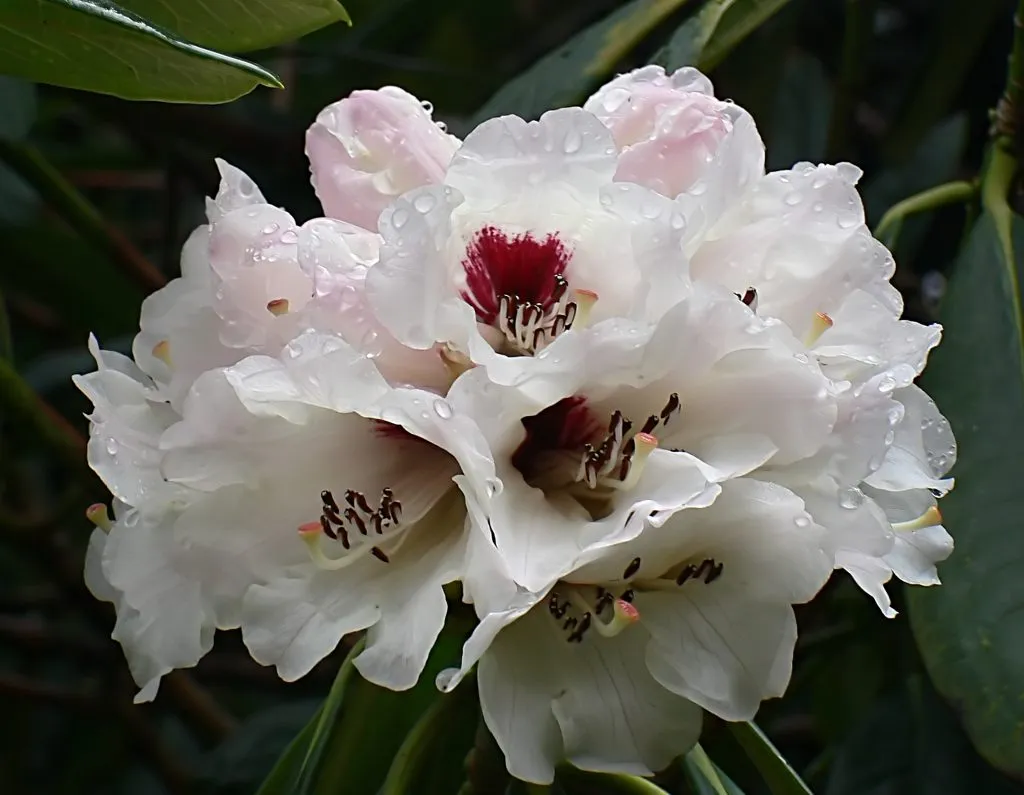
Orchids are one of the highlights. In March 2025 the National Biodiversity Centre announced a new species, Zeuxine drukyulensis, bringing the number of orchids recorded in Bhutan to 499. Some grow on tree trunks in the warm southern forests; others are tiny ground orchids of the high pastures. Bhutan is also famous for its rhododendrons, which flower across the hills from March to June, and for the blue poppy, the national flower, which grows on the high passes in summer. In 2017 Bhutan’s blue poppy was described as a species of its own, Meconopsis gakyidiana.
This 14 day tour covers the main plant zones of western and central Bhutan. You visit the Royal Botanical Garden at Serbithang, home of the National Biodiversity Centre, and the Royal Botanical Park at Lamperi near Dochula, walk forest trails in Punakha and Phobjikha, drive down to the subtropical forests near Tingtibi, and cross Pele La, Yotong La and Thrumshing La, three of the richest passes for rhododendrons. A naturalist guide travels with you. The 12 day version leaves out the south, and the 21 day version adds eastern Bhutan and a short trek to alpine meadows.
- Orchids, rhododendrons, primulas and the blue poppy
- Royal Botanical Garden and Royal Botanical Park
- Subtropical to alpine forests with a naturalist guide
Highlights
Highlights for plant lovers
Wild orchids
Epiphytic and ground orchids from Tingtibi to the passes.
Rhododendron forests
Pele La, Dochula and Thrumshing La in flower.
Royal Botanical Park
Lamperi's forests and rhododendron garden.
Serbithang garden
The Royal Botanical Garden and National Biodiversity Centre.
Alpine flowers
Primulas, poppies and gentians on Chele La.
Phobjikha
Wetlands, dwarf bamboo and crane country.
Itinerary at a glance
Fourteen days at a glance
What you see depends on the season. We plan the order around flowering times.
Day 1: Arrive in Paro
Land in Paro.
Day 2: Chele La
Alpine flowers on the Paro to Haa pass.
Day 3: To Thimphu, Serbithang
The Royal Botanical Garden at Serbithang.
Day 4: Thimphu
Herbal medicine and forest walks.
Day 5: Dochula and Lamperi
The Royal Botanical Park, then Punakha.
Day 6: Punakha
Warm valley forests and Punakha Dzong.
Day 7: To Phobjikha
Up to the glacial valley.
Day 8: To Trongsa over Pele La
Rhododendrons on Pele La.
Day 9: Tingtibi forests
A day trip south to subtropical forest.
Day 10: To Bumthang
Over Yotong La to Bumthang.
Day 11: Thrumshing La
A day trip to Thrumshing La.
Day 12: Fly to Paro
Domestic flight to Paro.
Day 13: Tiger's Nest
Hike to Paro Taktsang.
Day 14: Depart
Transfer to Paro airport.
Day 1
Arrive in Paro
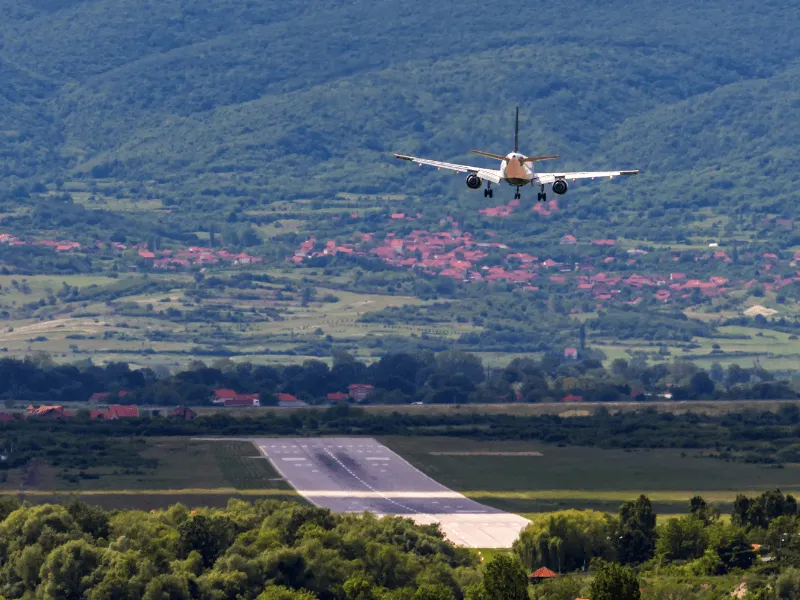
Your guide meets you at Paro airport. After lunch you walk through the pine forests above Paro to the National Museum and down to Rinpung Dzong. Your naturalist guide introduces the plant zones you will cross over the next two weeks.
- Overnight: Paro
- Altitude: about 2,200 metres
- Meals: lunch and dinner
Day 2
Flowers of Chele La
You drive up to Chele La, at about 3,988 metres, and walk on the ridge above the pass. In spring and summer the meadows hold primulas, irises, rhododendrons and, from June, blue poppies in some years. The forest on the way up is fir, hemlock and rhododendron hung with lichens. You return to Paro in the afternoon.
- Overnight: Paro
- Walk: 2 to 4 hours
- Highest point: about 4,000 metres
Day 3
The Royal Botanical Garden
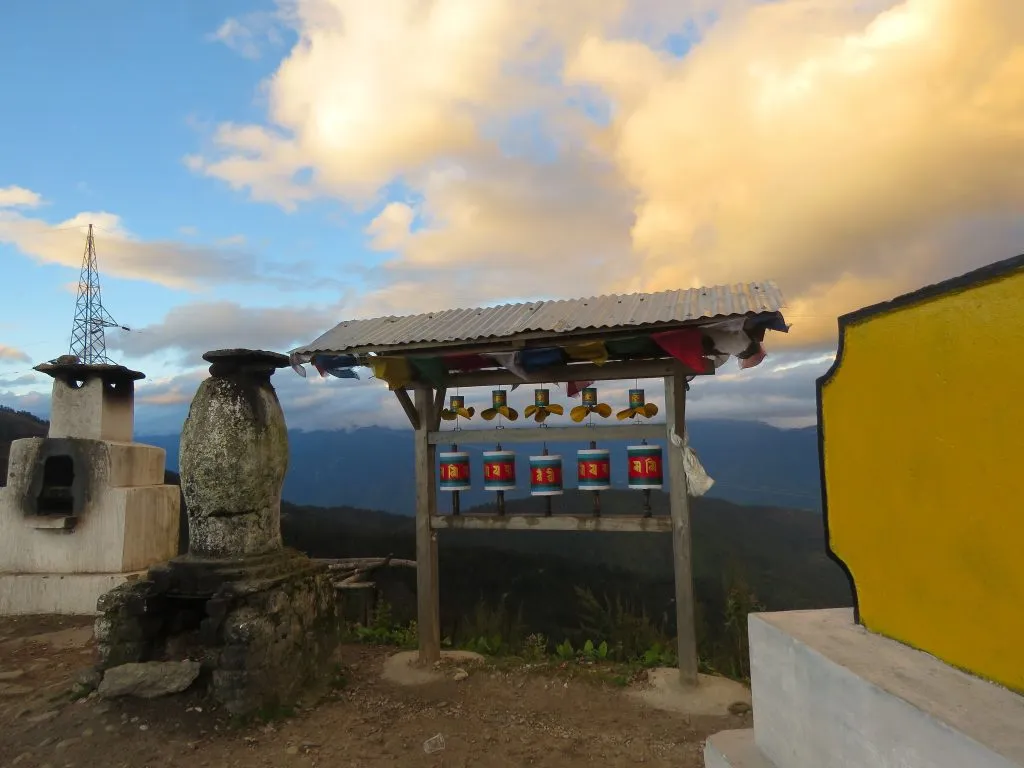
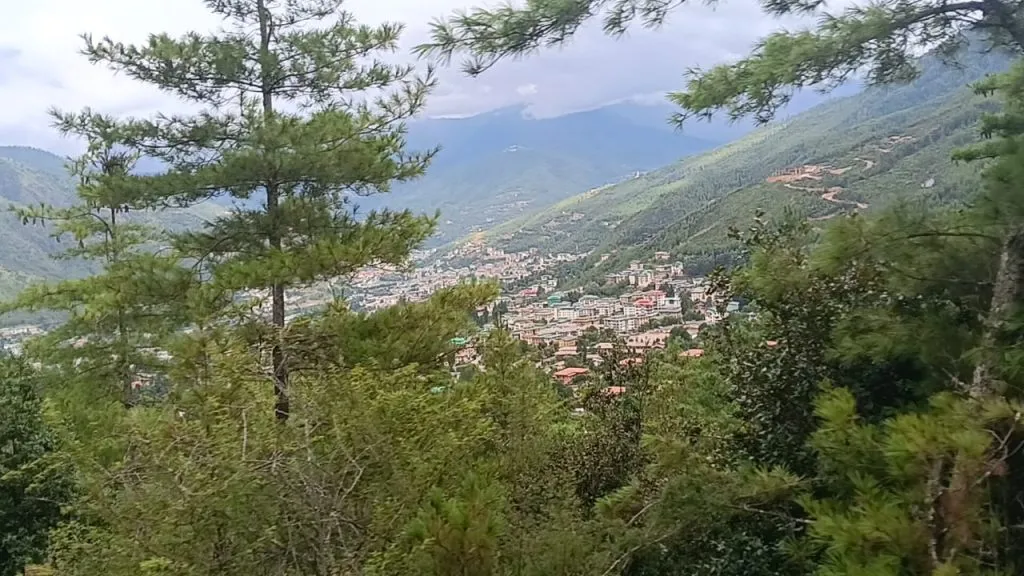
You drive to Thimphu and visit the Royal Botanical Garden at Serbithang, which is also home to the National Biodiversity Centre. The garden has collections of rhododendrons, orchids and native plants, a herbarium and a seed bank. Where possible, we arrange a short talk with staff about Bhutan’s plant research.
- Overnight: Thimphu
- Drive: about 1.5 hours
- Meals: breakfast, lunch and dinner
Day 4
Medicinal plants and forest walks
In the morning you visit the Institute of Traditional Medicine Services, where hundreds of medicinal plants are used to make traditional remedies. In the afternoon you walk a forest trail above Thimphu, such as the path to Wangditse or around Dodedra, looking for orchids, ferns and birds.
- Overnight: Thimphu
- Walk: 2 to 3 hours
- Meals: breakfast, lunch and dinner
Day 5
The Royal Botanical Park
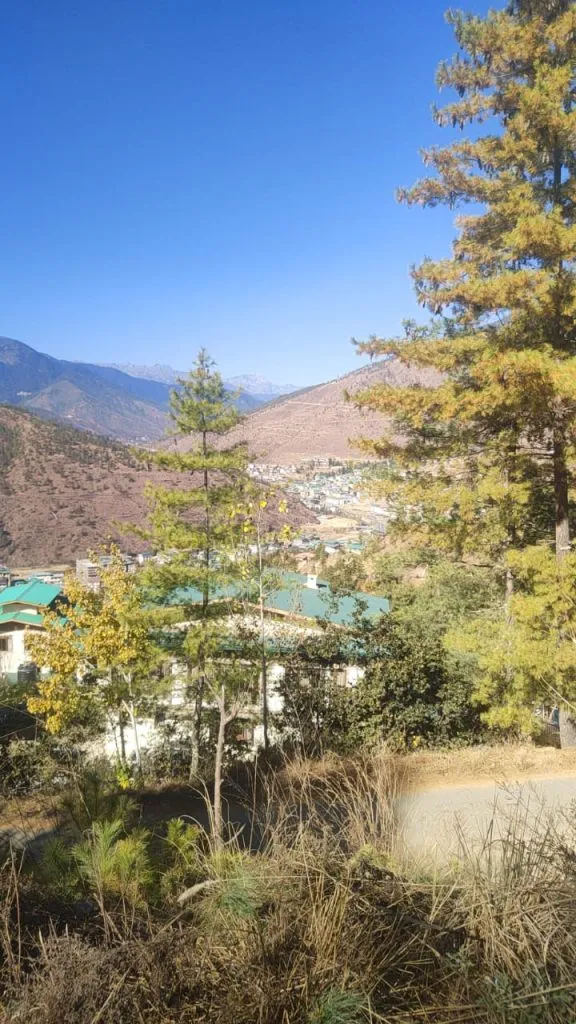
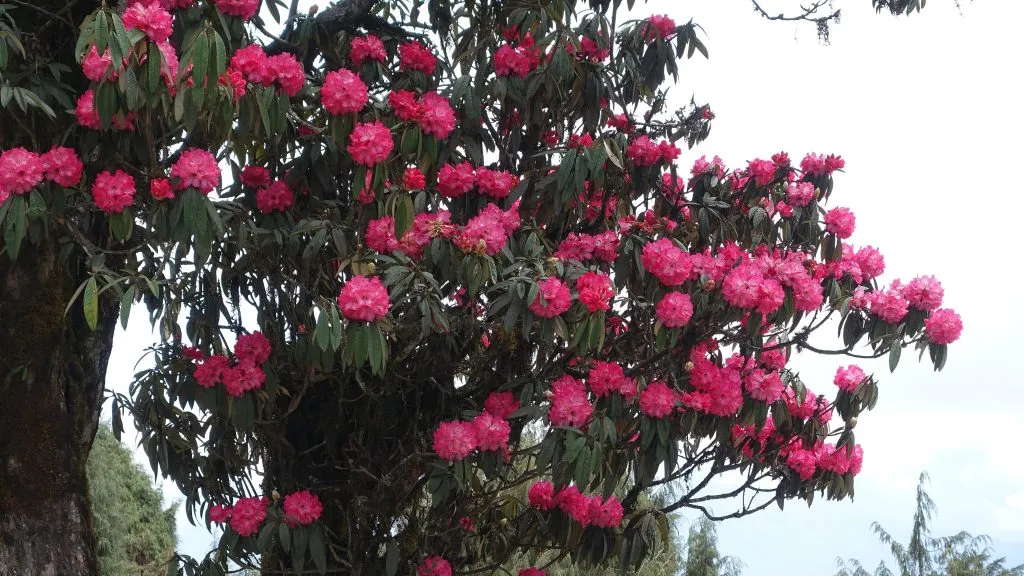
You drive up to Dochula and spend the morning in the Royal Botanical Park at Lamperi, Bhutan’s first botanical park, opened in 2004. Its trails pass through old forest of oak, rhododendron and magnolia, with a lake and a rhododendron garden. In spring the park holds a Rhododendron Festival. In the afternoon you drop into the Punakha valley.
- Overnight: Punakha
- Walks: 2 to 3 hours
- Drive: about 3 hours
Day 6
The warm forests of Punakha
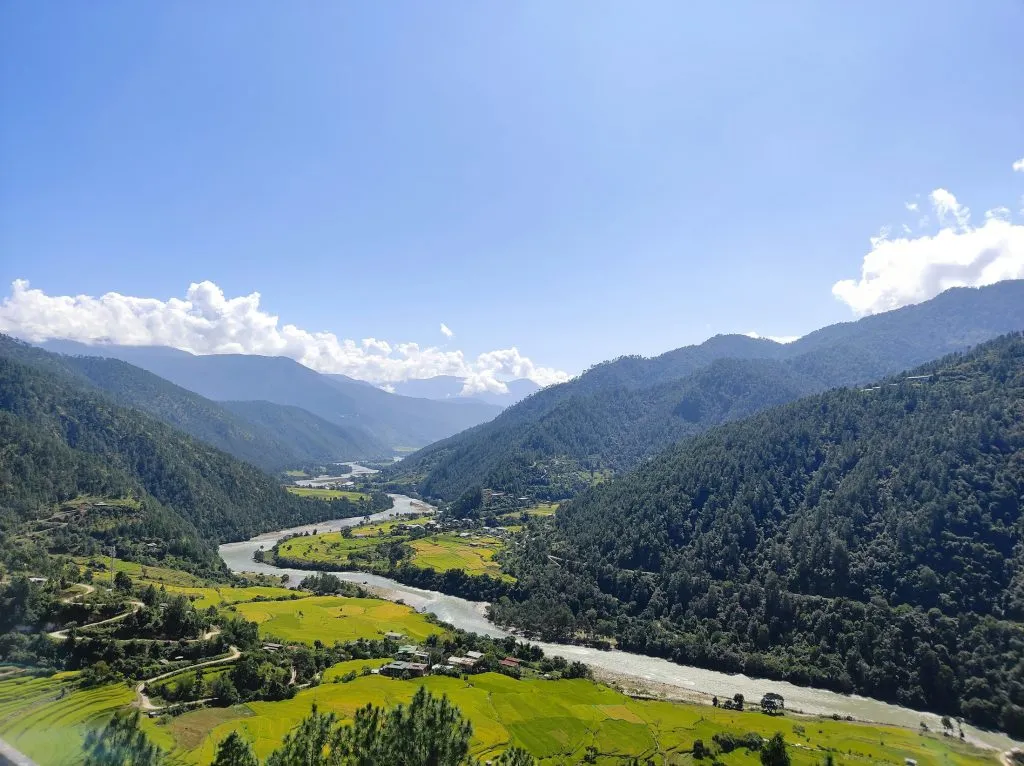
Punakha is lower and warmer, at about 1,200 metres. You walk the forested slopes along the Mo Chhu, where epiphytic orchids grow on trees beside the river, then visit Punakha Dzong, famous for the jacaranda trees that bloom purple in its courtyard in spring.
- Overnight: Punakha
- Walk: 2 to 3 hours
- Altitude: about 1,200 metres
Day 7
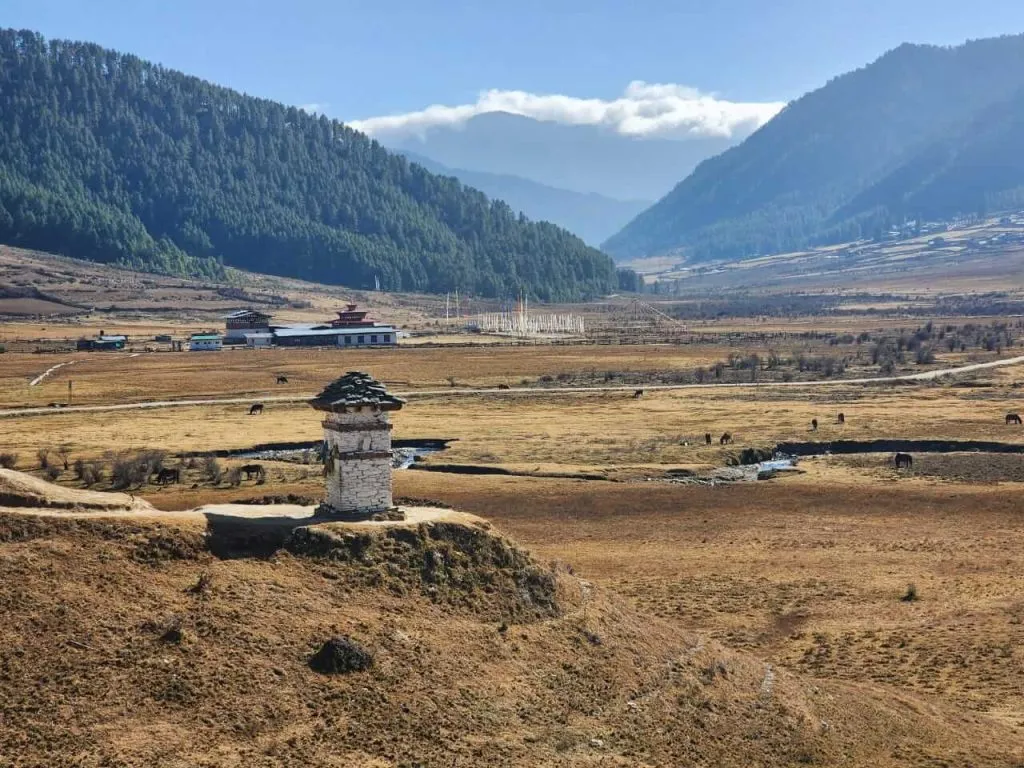
The Phobjikha valley
You drive up through forest of oak, rhododendron and hemlock to Phobjikha, at about 3,000 metres. The valley floor is a protected wetland of dwarf bamboo, where black-necked cranes winter. You walk the Gangtey nature trail and visit the crane information centre.
- Overnight: Phobjikha
- Drive: about 3 hours
- Walk: about 2 hours
Day 8
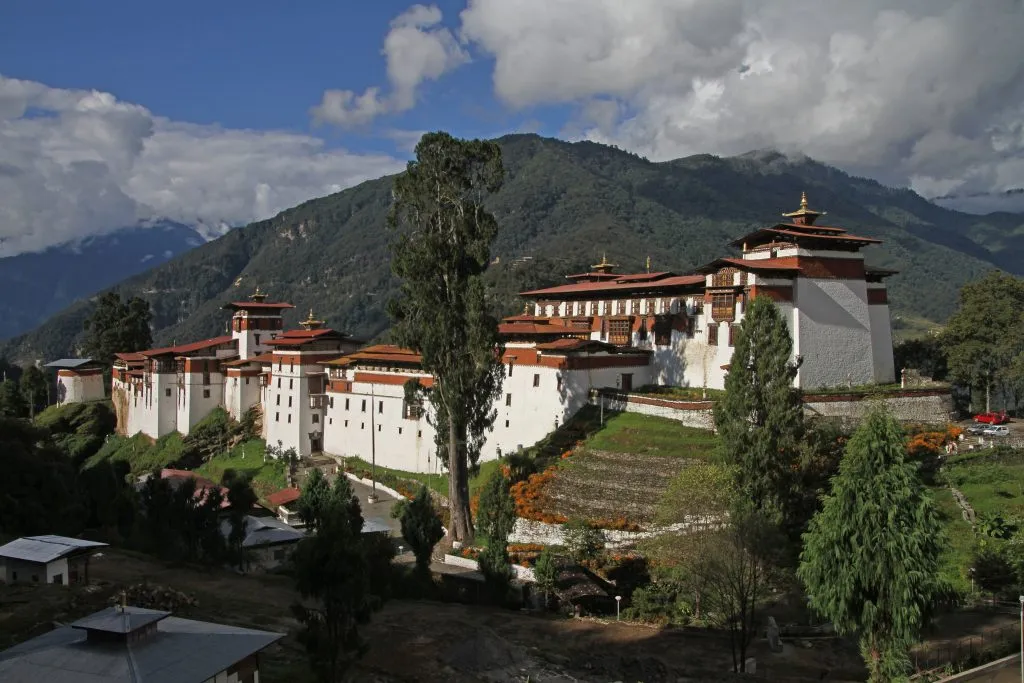
Pele La's rhododendrons
You cross Pele La, at about 3,400 metres, which is one of the best places in Bhutan to see several rhododendron species flowering together in spring, along with magnolias and daphne. You stop at Chendebji Chorten and reach Trongsa in the afternoon.
- Overnight: Trongsa
- Drive: about 4 hours with stops
- Highest point: about 3,400 metres
Day 9
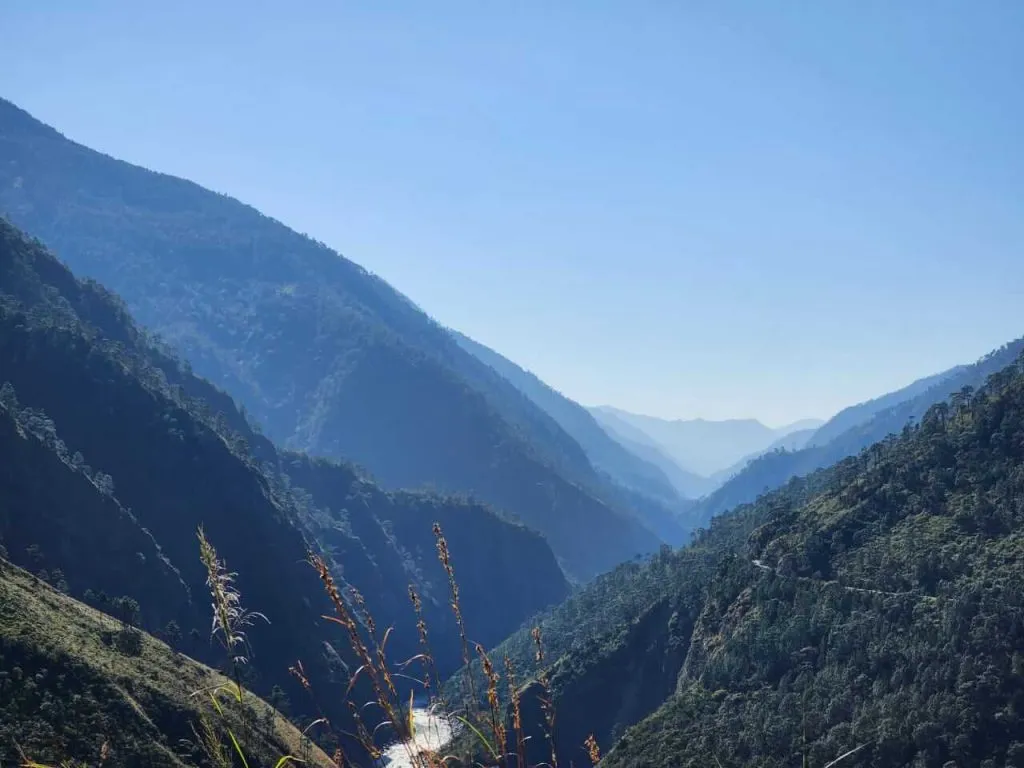
Down to the subtropics
You drive south along the Mangde Chhu towards Zhemgang and Tingtibi, dropping into warm, wet broadleaf forest. This is the best area on the tour for epiphytic orchids, figs, wild bananas and tree ferns, and also for birds such as hornbills. It is a long day, and you return to Trongsa in the evening. The 12 day version skips this day.
- Overnight: Trongsa
- Drive: about 6 hours return
- Altitude: down to about 600 metres
Day 10
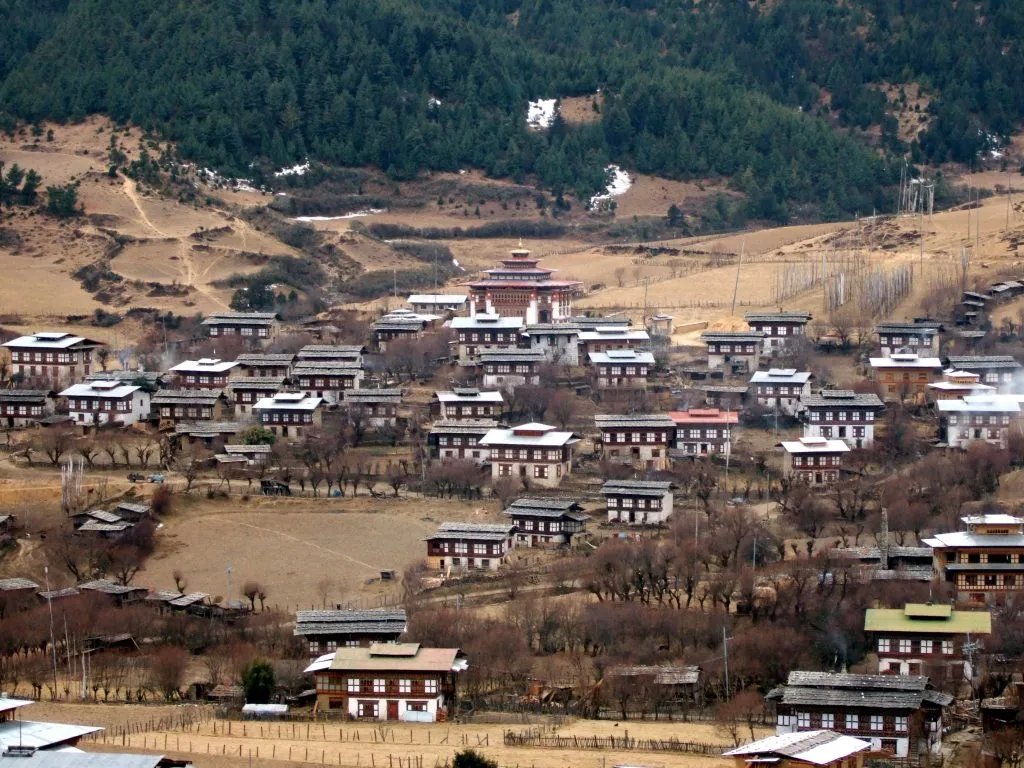
Into Bumthang
You drive over Yotong La, through fir and rhododendron, to the broad valleys of Bumthang. In the afternoon you visit Jambay Lhakhang and Kurjey Lhakhang and walk in the blue pine forest above the Chamkhar valley.
- Overnight: Bumthang
- Drive: about 3 hours
- Meals: breakfast, lunch and dinner
Day 11
Thrumshing La National Park
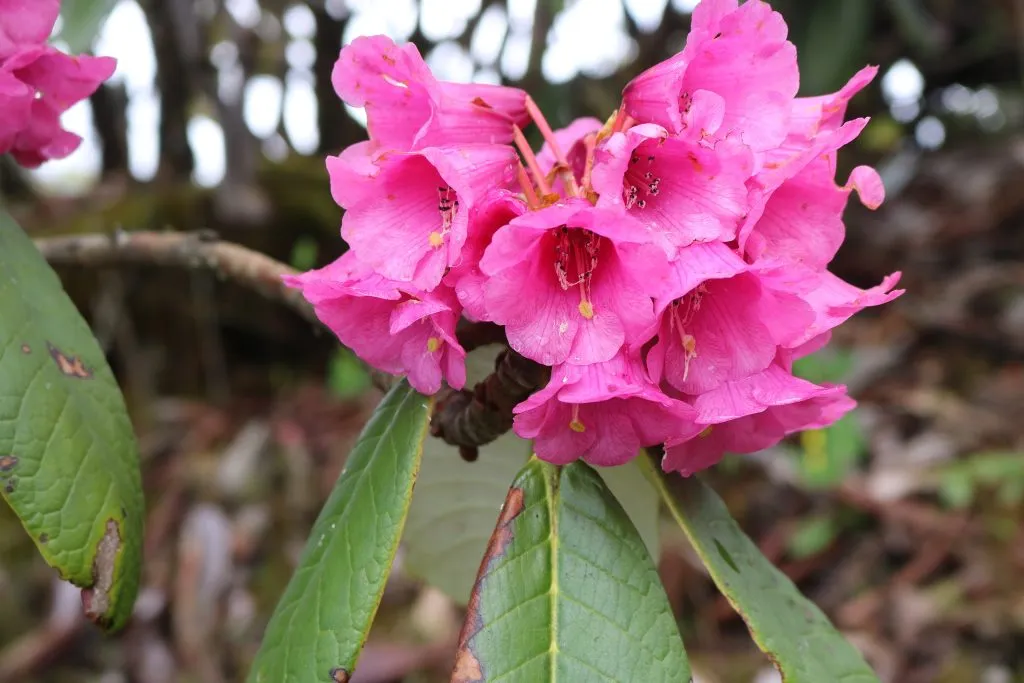
You drive east via Ura to Thrumshing La, at about 3,750 metres, in Thrumshing La National Park. The forest here is famous for its rhododendrons, including Rhododendron kesangiae, named after the Queen Mother, and for primulas and orchids in the moss forests. You walk on the old trail below the pass and return to Bumthang.
- Overnight: Bumthang
- Drive: about 5 hours return
- Highest point: about 3,750 metres
Day 12
Back to Paro
You fly from Bumthang to Paro, about 30 minutes, on the days that flights run. In the afternoon you rest or visit Kyichu Lhakhang. On the 21 day version, you instead continue east to Mongar, Lhuentse and Trashigang, with a short trek in the alpine meadows.
- Overnight: Paro
- Flight: about 30 minutes
- Meals: breakfast, lunch and dinner
Day 13
Hike to the Tiger's Nest
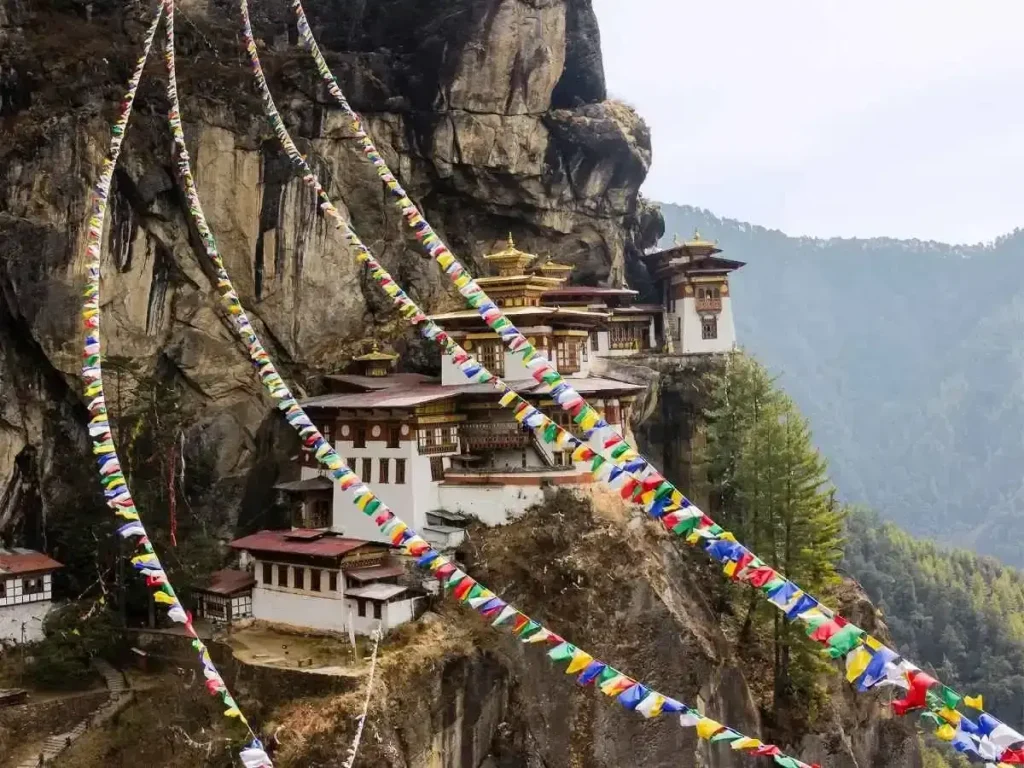
The hike to Paro Taktsang, the Tiger’s Nest, takes five to six hours return. The path climbs through blue pine forest to a cafeteria with a clear view of the monastery, then on to the cliff itself at about 3,120 metres, where Guru Rinpoche is said to have meditated in the 8th century. The trail passes through blue pine and oak forest with orchids, ferns and, in spring, rhododendrons.
- Overnight: Paro
- Hike: 5 to 6 hours return
- Altitude: about 3,120 metres
Day 14
Fly home
After breakfast your guide drives you to Paro airport for your flight home.
- Transfer: about 15 minutes
- Meals: breakfast
Where you stay
Where you stay
Comfortable hotels and a lodge in Phobjikha.
| Nights | Place | Where you stay | Why we chose it |
|---|---|---|---|
| 1, 2, 12 and 13 | Paro | 3-star or 4-star hotel | Luxury upgrades available |
| 3 and 4 | Thimphu | 3-star or 4-star hotel | Central |
| 5 and 6 | Punakha | 3-star or 4-star hotel | Valley views |
| 7 | Phobjikha | Lodge or farmhouse | In the valley |
| 8 and 9 | Trongsa | 3-star hotel | View of the dzong |
| 10 and 11 | Bumthang | 3-star or 4-star hotel | Chamkhar valley |
On the 21 day version, hotels in the east are simple and family-run.
What the price covers
Included and not included
Included
- Bhutan visa (USD 40) and the Sustainable Development Fee for every night
- Hotels as listed, 3-star as standard, with 4-star and luxury upgrades on request
- All meals: breakfast, lunch and dinner
- A licensed English-speaking guide for the whole trip
- Naturalist guide throughout
- Domestic flight from Bumthang to Paro
- Entry to the Royal Botanical Garden and Royal Botanical Park
- Private car or SUV with a Bhutanese driver, and all transfers
- Entry fees to dzongs, temples and museums
- Bottled water in the car
Not included
- International flights into and out of Paro (we can book them for you)
- Travel insurance, which we strongly recommend
- Drinks, laundry and other personal costs
- Tips for your guide and driver
- Anything not listed under included
Price on request
Tell us your budget and we will send our best price
We don’t publish one fixed price, because hotels, season and group size change the total a lot. Tell us your dates, who is travelling and the budget you have in mind. We will reply within 24 hours with our best price for this orchid and botanical tour.
How we price
What decides the cost of this trip
Government fees
The SDF is USD 100 per adult per night until 31 August 2027, plus a USD 40 visa. These are fixed by the Government of Bhutan and paid through us.
Hotels you choose
Trip length (12, 14 or 21 days), hotel style and group size change the total most.
Season and dates
Spring and autumn are peak season. Winter and summer dates are often easier to price well.
Group size
Guide and car costs are shared, so the price per person drops for two, three or four travellers.
We send a written, itemised quote before you pay anything. No booking fees.
Good to know
Planning your botanical tour
When to go for flowers
March to May is the best time for rhododendrons, magnolias and many orchids. June to August brings the monsoon, but also the alpine flowers, including blue poppies, and the best orchid flowering in the wet forests; expect rain and leeches. September and October have late flowers and clear views. Winter is quiet for flowers, but good for cranes in Phobjikha. Tell us which plants matter most to you and we will suggest dates.
Rules on collecting plants
Bhutan protects its plants strictly. You may not collect, dig up or export wild plants, seeds or orchids without a permit, and many species are protected by law. Take photographs, not samples. If you are a researcher and need to collect material, tell us early, as permits must be arranged through the relevant government offices.
Choosing 12, 14 or 21 days
The 12 day trip covers Paro, Thimphu, Punakha, Phobjikha, Trongsa and Bumthang, without the trip to the southern forests. The 14 day trip adds Tingtibi and Thrumshing La. The 21 day trip continues east to Mongar and Trashigang and includes a short trek to alpine meadows, the best option for keen botanists in early summer.
What to bring
Bring a hand lens, binoculars, a field notebook, a good camera with a macro lens, rain gear and comfortable walking shoes. A field guide to Himalayan flowers is useful, and your naturalist guide carries reference books. Leech socks help in the wet season.
Getting to Bumthang
Bumthang is about 270 km from Thimphu, but the road crosses three passes and the drive takes most of two days. We break it with a night in Punakha or Trongsa. Drukair also flies between Paro and Bumthang on set days of the week, in about 30 minutes, and on most of our central Bhutan trips we fly back to save a day on the road. The schedule changes by season, so we confirm the flight when you book.
Altitude
Paro sits at about 2,200 metres and Thimphu at about 2,300. Most people feel fine after a slow first day. Drink plenty of water, go easy on alcohol at first, and tell your guide about headaches or poor sleep. The Tiger’s Nest, at about 3,120 metres, comes later in the trip for this reason.
Visa, SDF and guide rules
Every visitor except Indian nationals needs a visa, which costs USD 40 and is issued online before you fly. The Sustainable Development Fee is USD 100 per adult per night until 31 August 2027, with half rates for children aged 6 to 11. A Department of Tourism notice from April 2026 confirms that visitors travel with a licensed guide. We file the visa and pay the SDF for you. Read more in our Bhutan visa guide and SDF guide.
Flying into Paro
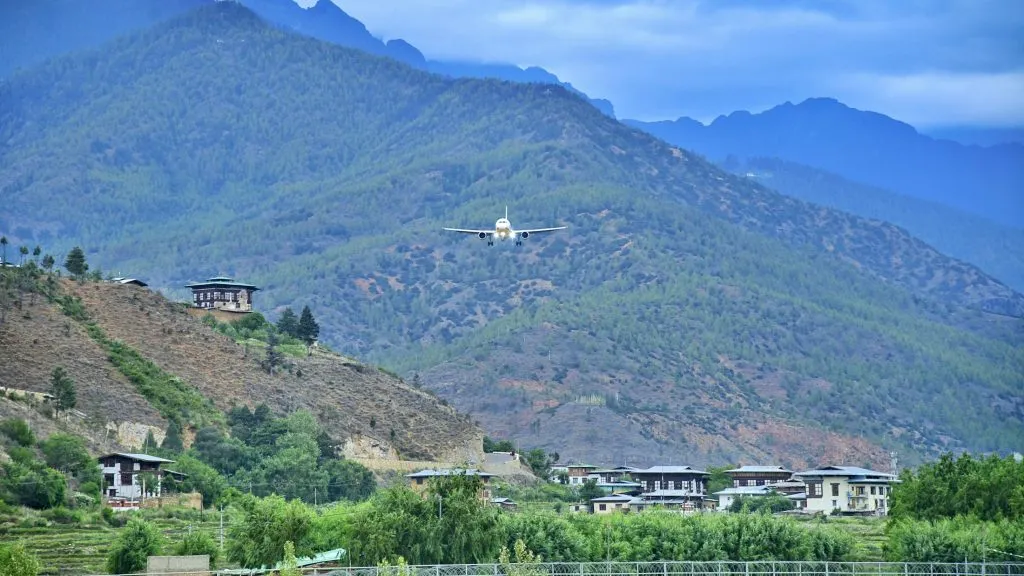
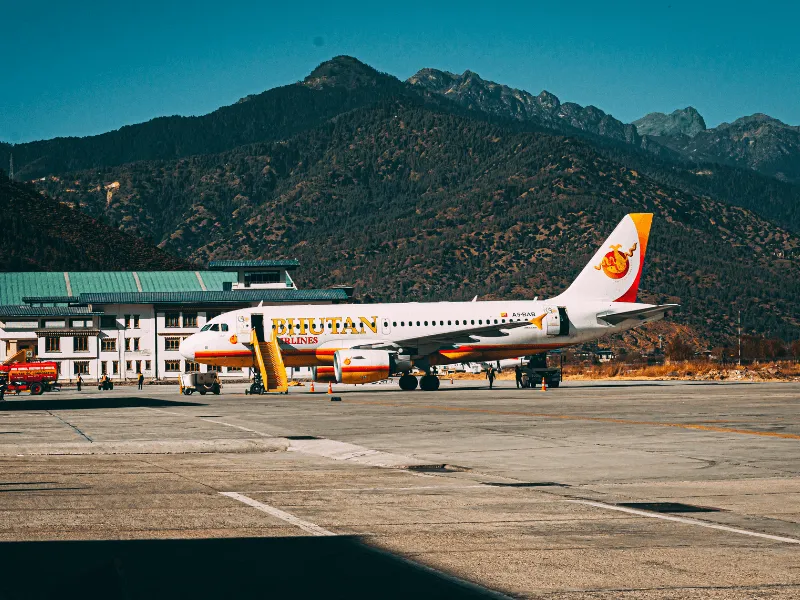
Only Drukair and Bhutan Airlines fly into Paro, mainly from Bangkok, Delhi, Kathmandu, Kolkata and Singapore. Pilots land by sight between the ridges, so morning flights are the most reliable. We suggest a night in your hub city on the way in. Our flights to Bhutan page lists every route.
Orchid and botanical tour: questions
It depends on your hotels, group size and dates. Tell us your budget and we will reply within 24 hours with our best price, including the SDF, visa, hotels, meals, guide and car.
The National Biodiversity Centre put the total at 499 species in March 2025.
Mostly from March to May, earlier at low altitude and later on the high passes.
Possibly, from June to August on the high passes. It needs some walking and a little luck.
No, not without a permit. Bhutan protects its wild plants by law.
Short walks of 2 to 4 hours most days, on forest trails.
Yes, as well as your licensed tour guide.
Three to five months ahead for spring.
Price on request
Ask for your best price
Tell us which version you want, the plants you most want to see and your budget. We will reply within 24 hours with our best price for this botanical tour.
- Share your budget, we shape the trip around it
- No booking fees, ever
- A reply within 24 hours
- Licensed Bhutanese tour operator
- +975 17533776
- +975 77495028
- info@deyabhutantours.com
- Thimphu, Bhutan
Let's plan your Bhutan journey
Tell us a little about your trip. Our team in Thimphu will reply with ideas, a day-by-day plan and a full price.
We’ll reply within 24 hours. No booking fees, and no obligation to book.