- Licensed Bhutanese tour operator
- Thimphu, Bhutan
Festival tour · 10 days, 9 nights
10 Day Bhutan Nomad Festival and Highland Culture Tour: Meet the Yak Herders
The Nomad Festival in Bumthang has not been held for some years, so we take you to the herders instead: Haa, Phobjikha, Ura and Bumthang, with yak camps, highland food and village life.
- 10 days, 9 nights
- Best May to October
- Joins any nomad festival that is announced
2015
Last Nomad Festival, Nagsephel
4
Highland valleys visited
3,988 m
Chele La pass, about
3,100 m
Ura valley, about
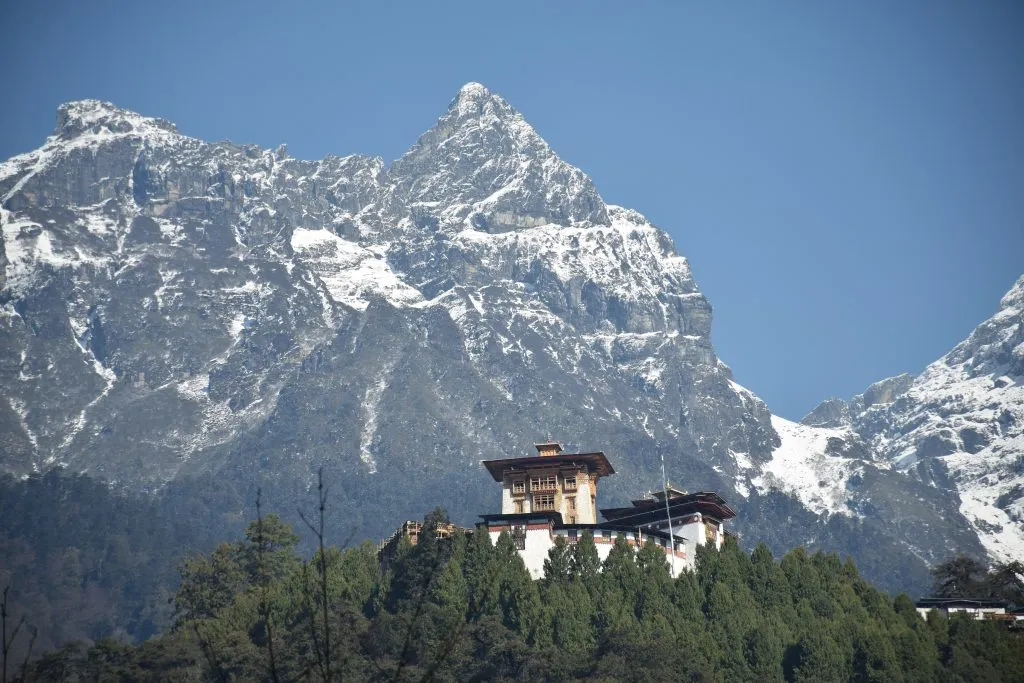
Trip overview
The festival that celebrated Bhutan's herders
For several years, Bhutan held a Nomad Festival at Nagsephel in Bumthang every February. Herders came down from the highest villages of the country, from Laya and Lunana, Lingshi, Merak and Sakteng, Haa and the upper valleys of Bumthang, to show their yaks, sell cheese and woven goods, and compete in yak riding and traditional games. It was one of the few times these communities met in one place. According to operators who followed it, the last edition was held in 2015, and no new date has been announced.
We still get many questions about the Nomad Festival, so we built this trip as the next best thing. Instead of waiting for the herders to come to a festival, you go to them. You cross Chele La to the Haa valley, visit summer pastures above Phobjikha, and travel to Ura and the Tang valley in Bumthang, where families still keep yaks and sheep. Along the way you taste yak cheese and butter tea, see how yak hair is spun and woven, and hear about life on the high pastures.
Herders spend the summer months, roughly May to October, in high camps. That is the best time to meet them. If a Nomad Festival or a similar highland event is announced while you are planning, such as the Royal Highland Festival in Laya, we will tell you and fit it in. Our Royal Highland Festival tour is the closest thing to the old Nomad Festival on the current calendar.
- Visits to yak herders in Haa, Phobjikha and Bumthang
- Yak cheese, butter tea and highland food
- Joins any nomad festival that is announced
Highlights
Highlights of the trip
Yak herders
Visits to herding families in summer camps.
Highland food
Yak cheese, butter tea and buckwheat dishes.
Yak-hair weaving
How tents, bags and hats are made.
Chele La
A high pass with views of Jomolhari.
Phobjikha
A glacial valley famous for its cranes.
Ura village
Highland life in Bumthang.
Itinerary at a glance
Ten days at a glance
Best between May and October, when herders are on the high pastures.
Day 1: Arrive in Paro
Land in Paro, Rinpung Dzong.
Day 2: Over Chele La to Haa
Drive over Chele La to the Haa valley.
Day 3: Haa herders
A walk to a summer pasture above Haa.
Day 4: To Thimphu
Drive to the capital, Textile Museum.
Day 5: To Phobjikha
Over Dochula to Phobjikha.
Day 6: Phobjikha pastures
A walk to the high pastures, on to Trongsa.
Day 7: To Bumthang and Ura
Into Bumthang, on to Ura.
Day 8: Ura and the Tang valley
Herding families and the Tang valley.
Day 9: Bumthang, fly to Paro
Jambay Lhakhang and Kurjey, then fly to Paro.
Day 10: Depart
Transfer to Paro airport.
Day 1
Arrive in Paro
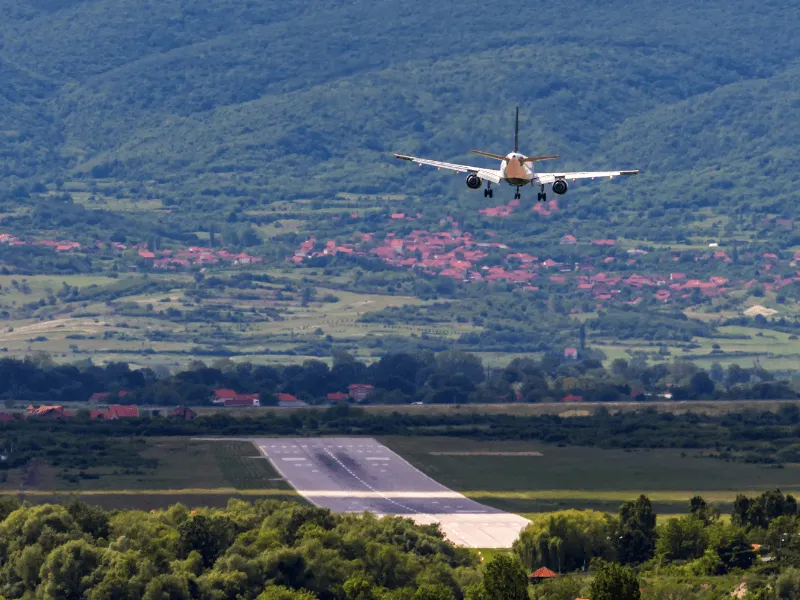
Your guide meets you at Paro airport. After lunch you visit Rinpung Dzong and the National Museum, which has a good gallery on highland life, then walk through Paro town.
- Overnight: Paro
- Altitude: about 2,200 metres
- Meals: lunch and dinner
Day 2
Over Chele La to Haa
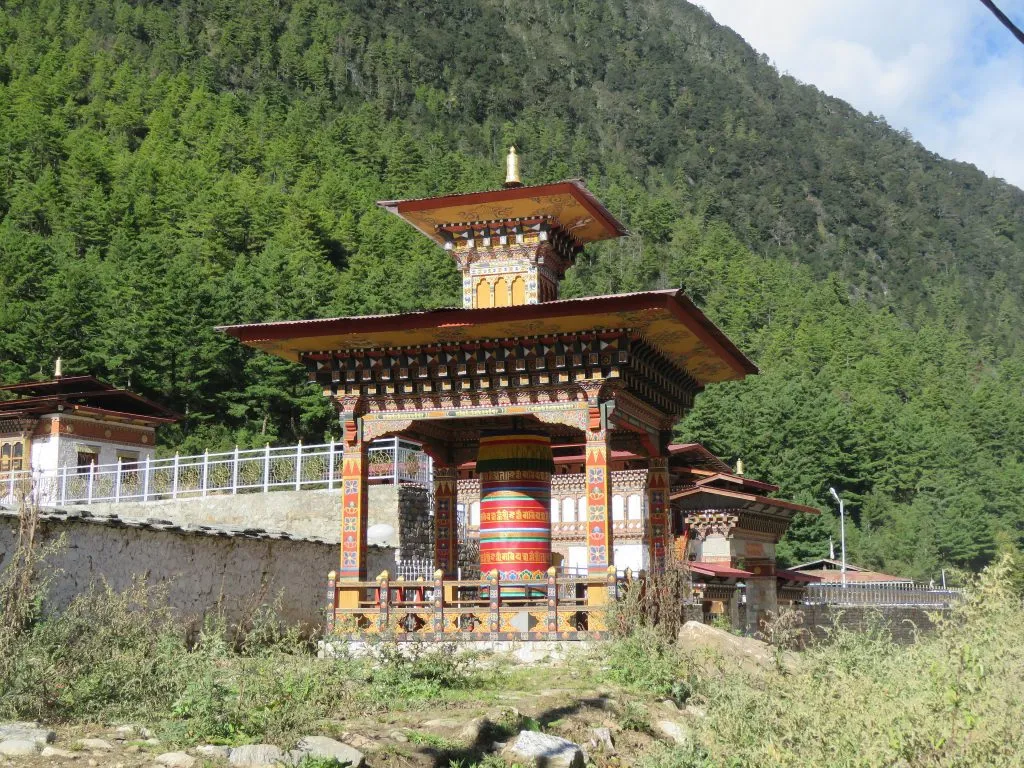
You drive up to Chele La, at about 3,988 metres, where herders often graze yaks on the slopes in summer. If you see a camp, your guide will ask whether you can visit. You then drop into the Haa valley and visit Lhakhang Karpo, the White Temple.
- Overnight: Haa farmhouse or hotel
- Drive: about 2.5 hours
- Highest point: Chele La, about 3,988 metres
Day 3
A day with the Haa herders
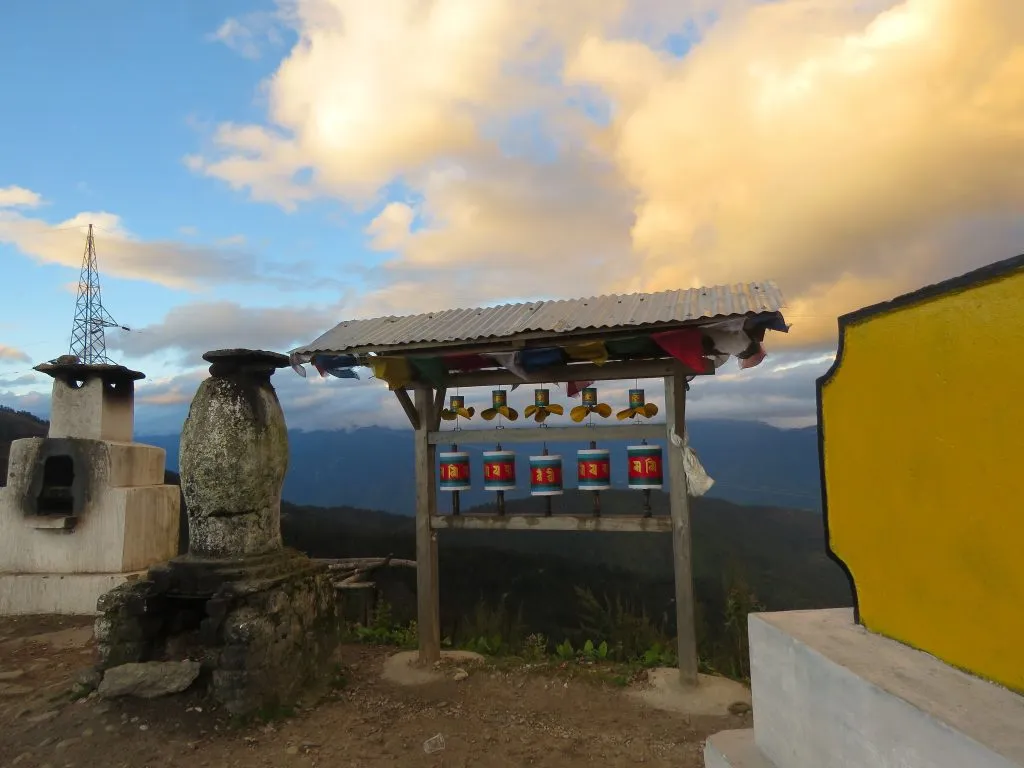
You walk up from the valley to a summer pasture where a Haa family keeps yaks. Depending on the season, you may see them milking, churning butter or making chugo, the hard dried yak cheese that Bhutanese chew for hours. You share butter tea in the tent and walk back down in the afternoon.
- Overnight: Haa farmhouse or hotel
- Walk: 3 to 5 hours
- Meals: breakfast, packed lunch and dinner
Day 4
Thimphu and the Textile Museum
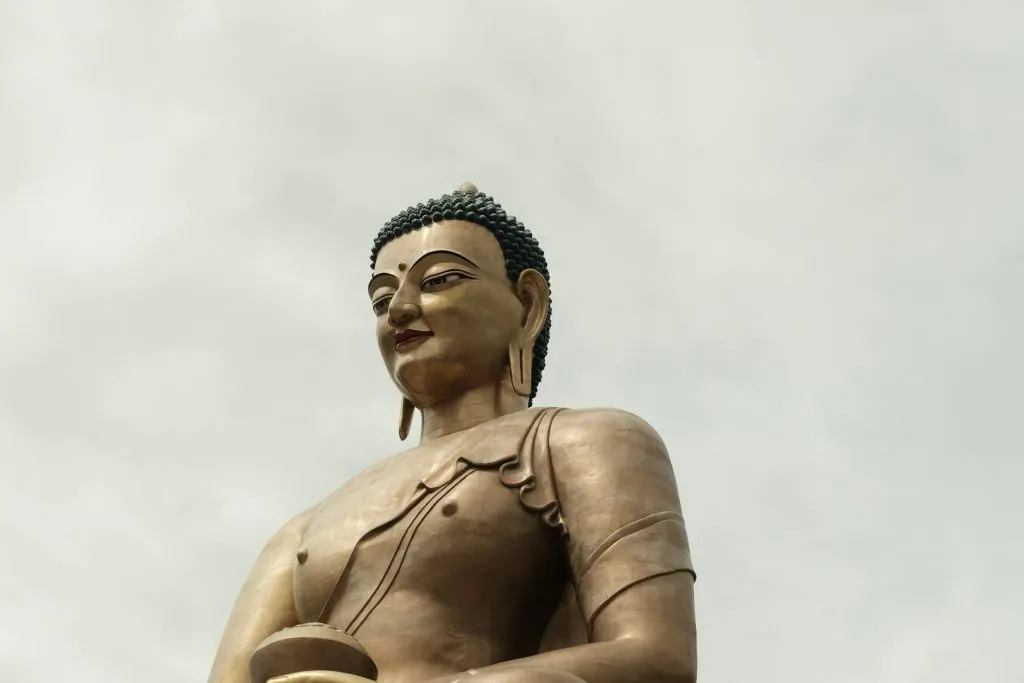
You drive to Thimphu via Chhuzom. In the afternoon you visit the Textile Museum, which shows highland clothes from Laya and Merak, and the Folk Heritage Museum. In the evening you can try yak meat at a local restaurant.
- Overnight: Thimphu
- Drive: about 3.5 hours
- Meals: breakfast, lunch and dinner
Day 5
Dochula and Phobjikha
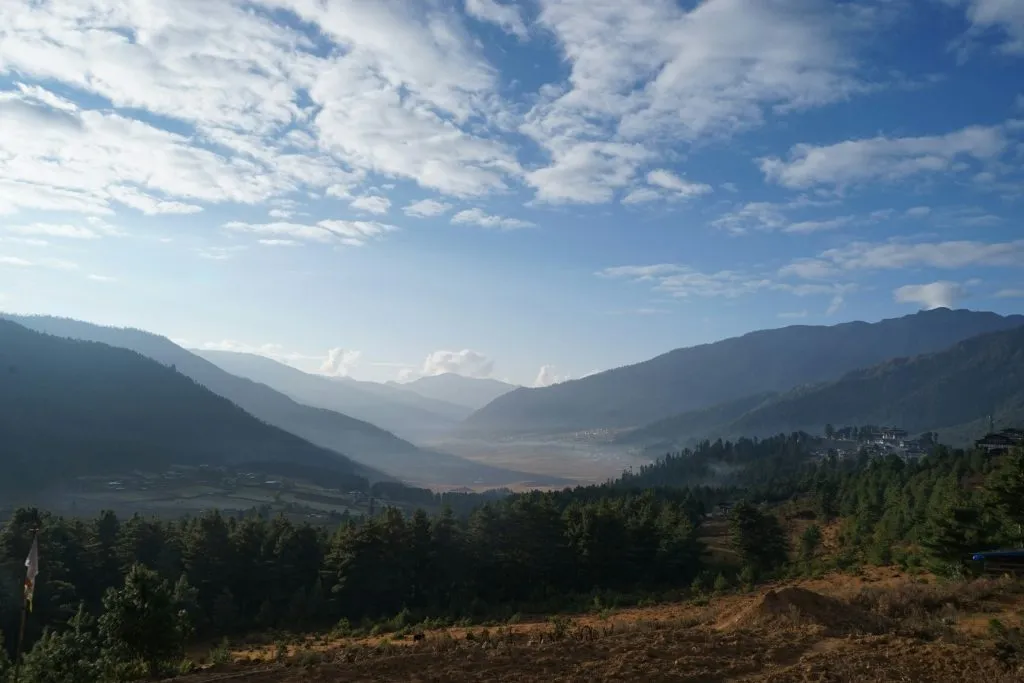
You cross Dochula and drive up to the Phobjikha valley, at about 3,000 metres. In summer the cranes are away in Tibet, and herders bring cattle and yaks to the meadows above the valley. You visit Gangtey Goenpa and walk the Gangtey nature trail.
- Overnight: Phobjikha
- Drive: about 5 hours
- Walk: about 1.5 hours
Day 6
The high meadows, then Trongsa
In the morning you walk up to the pastures above the valley, where herders spend the summer. Then you drive over Pele La, where yaks graze beside the road, to Trongsa. In the afternoon you visit Trongsa Dzong.
- Overnight: Trongsa
- Walk: 2 to 3 hours
- Drive: about 3 hours
Day 7
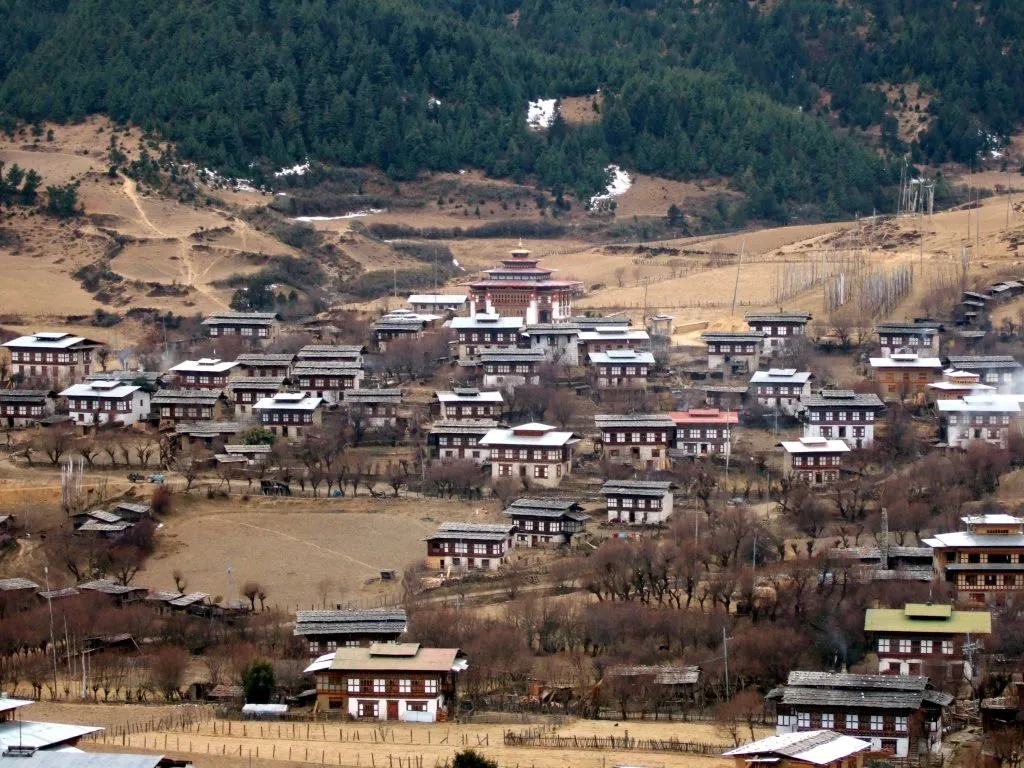
Into the highlands of Ura
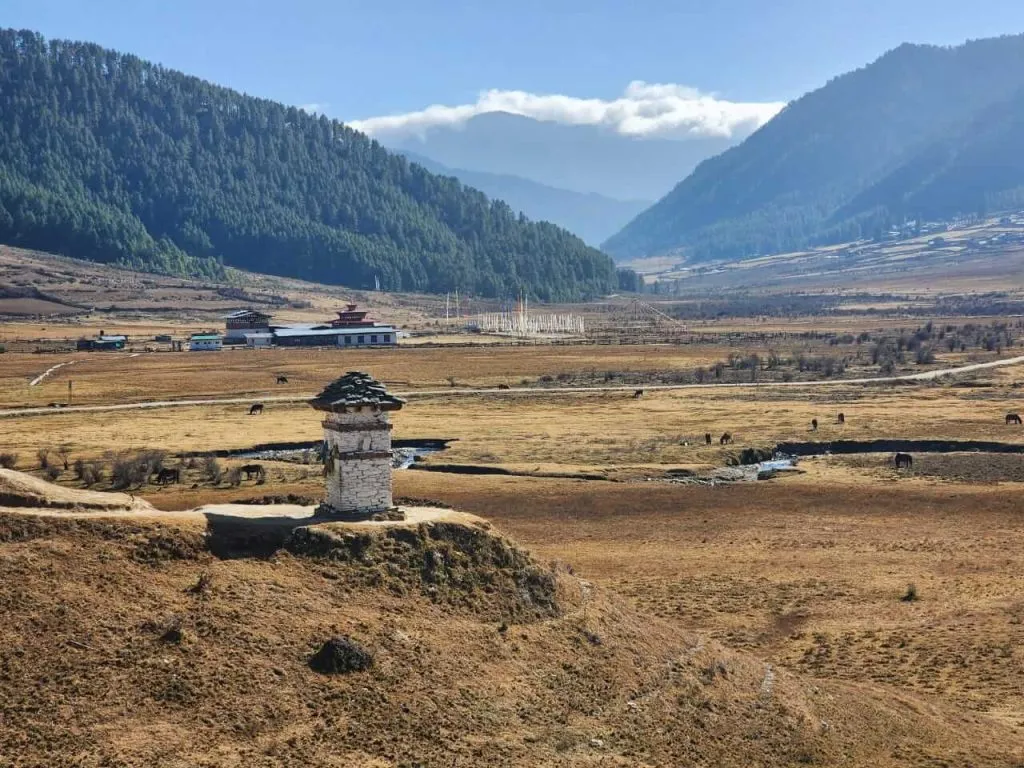
You cross Yotong La into Bumthang and continue to Ura, at about 3,100 metres. Ura’s families have herded yaks and sheep for generations. You walk through the village, visit Ura Lhakhang and spend the night in a farmhouse, sharing dinner with the family.
- Overnight: Ura farmhouse
- Drive: about 4.5 hours
- Meals: breakfast, lunch and dinner
Day 8
Herders of Ura and Tang
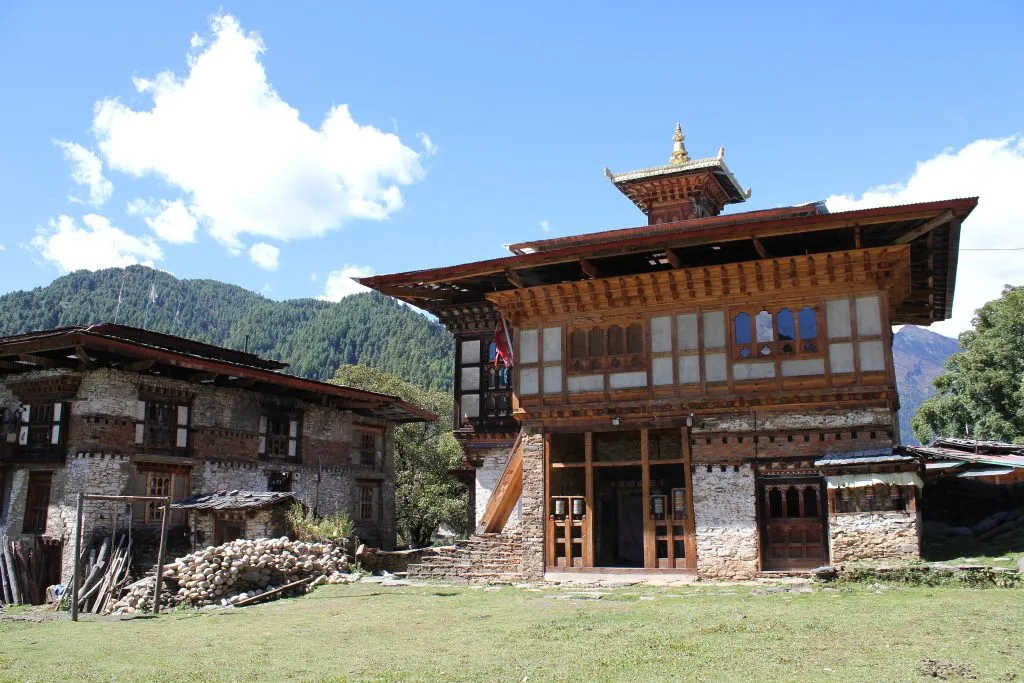
In the morning you visit a herding family near Ura and see how yak and sheep wool are spun and woven into the thick cloth of Bumthang. Then you drive to the Tang valley to see Membartsho, the Burning Lake, where the treasure revealer Pema Lingpa found sacred texts, and the old manor of Ogyen Choling.
- Overnight: Bumthang
- Drive: about 3 hours in total
- Meals: breakfast, lunch and dinner
Day 9
Bumthang and the flight back
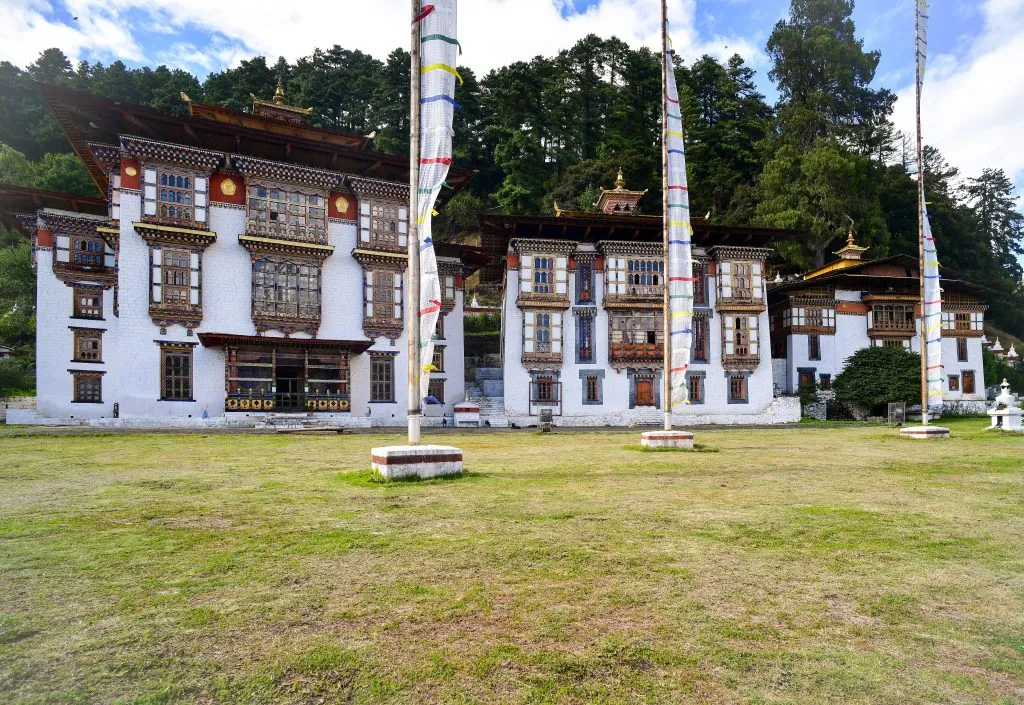
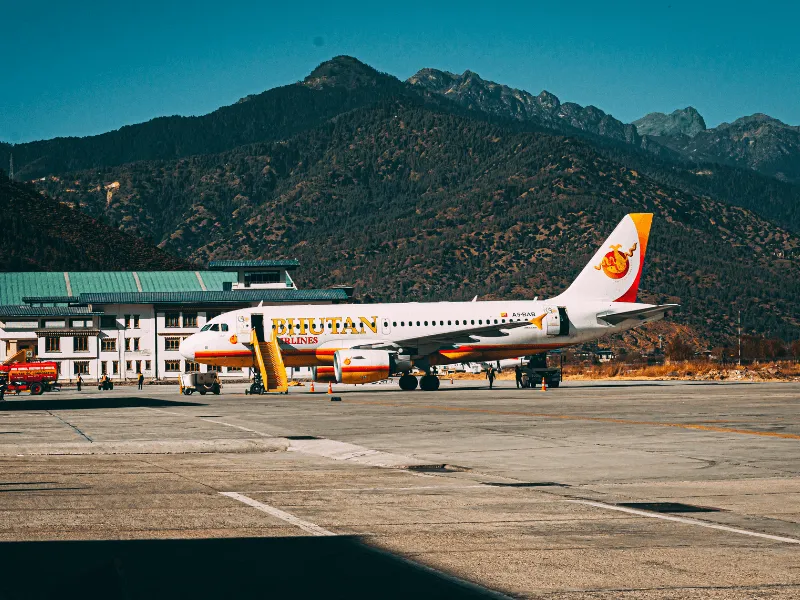
You visit Jambay Lhakhang and Kurjey Lhakhang, then fly from Bumthang to Paro, about 30 minutes. If the flight does not run that day, we drive back with an extra night in Punakha.
- Overnight: Paro
- Flight: about 30 minutes, on set days
- Meals: breakfast, lunch and dinner
Day 10
Fly home
After breakfast your guide drives you to the airport. With one more day you can add the Tiger’s Nest hike.
- Transfer: about 15 minutes
- Optional: extra day for the Tiger's Nest
- Meals: breakfast
Where you stay
Where you stay
Hotels and farmhouses, chosen to bring you close to highland life.
| Nights | Place | Where you stay | Why we chose it |
|---|---|---|---|
| 1 and 9 | Paro | 3-star or 4-star hotel | Upgrades available |
| 2 and 3 | Haa | Farmhouse or hotel | Village setting |
| 4 | Thimphu | 3-star or 4-star hotel | Central |
| 5 | Phobjikha | Lodge or farmhouse | In the valley |
| 6 | Trongsa | 3-star hotel | View of the dzong |
| 7 | Ura | Farmhouse | With a local family |
| 8 | Bumthang | 3-star or 4-star hotel | Chamkhar valley |
Farmhouses are simple, clean and warm. Hotels can be upgraded on request.
What the price covers
Included and not included
Included
- Bhutan visa (USD 40) and the Sustainable Development Fee for every night
- Hotels as listed, 3-star as standard, with 4-star and luxury upgrades on request
- All meals: breakfast, lunch and dinner
- A licensed English-speaking guide for the whole trip
- Domestic flight from Bumthang to Paro
- Herder visits arranged with local families
- Private car or SUV with a Bhutanese driver, and all transfers
- Entry fees to dzongs, temples and museums
- Bottled water in the car
Not included
- International flights into and out of Paro (we can book them for you)
- Travel insurance, which we strongly recommend
- Drinks, laundry and other personal costs
- Tips for your guide and driver
- Anything not listed under included
Price on request
Tell us your budget and we will send our best price
We don’t publish one fixed price, because hotels, season and group size change the total a lot. Tell us your dates, who is travelling and the budget you have in mind. We will reply within 24 hours with our best price for this highland culture tour.
How we price
What decides the cost of this trip
Government fees
The SDF is USD 100 per adult per night until 31 August 2027, plus a USD 40 visa. These are fixed by the Government of Bhutan and paid through us.
Hotels you choose
Hotel style, group size and the domestic flight change the total most.
Season and dates
Festival weeks are the busiest of the year. Booking early holds better rooms and seats.
Group size
Guide and car costs are shared, so the price per person drops for two, three or four travellers.
We send a written, itemised quote before you pay anything. No booking fees.
Good to know
Planning your highland culture trip
Is the Nomad Festival still held?
The Nomad Festival at Nagsephel in Bumthang ran for several years and drew herders from across the country. The last edition we know of was in 2015. We check each year with the tourism authorities and the district, and we will tell you straight away if it returns. Until then, this trip is the best way to meet Bhutan’s herders in their own valleys.
Who are Bhutan's highlanders?
Bhutan’s herding communities live in the high north and east. The Layaps of Laya, in Gasa, wear conical bamboo hats; the Brokpa of Merak and Sakteng wear red wool and felt hats with tassels; the people of Lingshi and Lunana live near the glaciers. Other herders graze yaks in Haa, Paro, Bumthang and Wangdue. Many still move between winter villages and summer camps, though roads, schools and phones are changing their lives quickly.
Visiting herders respectfully
Herders are working families, not performers. Our guide arranges visits in advance where possible and always asks before you enter a camp or take photos. A small gift, such as fruit or biscuits, is welcome, and buying cheese or butter from the family is a good way to say thank you. Keep a distance from yaks and dogs.
Getting to Bumthang
Bumthang is about 270 km from Thimphu, but the road crosses three passes and the drive takes most of two days. We break it with a night in Punakha or Trongsa. Drukair also flies between Paro and Bumthang on set days of the week, in about 30 minutes, and on most of our central Bhutan trips we fly back to save a day on the road. The schedule changes by season, so we confirm the flight when you book.
Best time to go
March to May brings rhododendrons and warm valley days. October and November have the clearest skies and the best mountain views. December to February is cold, bright and quiet, with cranes in Phobjikha. June to August is the monsoon: green and peaceful, with rain most afternoons. Our month-by-month guide has more detail.
Temple etiquette
Cover shoulders and knees in dzongs and temples, take off hats, and walk clockwise around chortens and prayer wheels. Photography is not allowed inside shrine rooms. Your guide explains each place before you go in. Read more in our Bhutan travel rules guide.
Altitude
Paro sits at about 2,200 metres and Thimphu at about 2,300. Most people feel fine after a slow first day. Drink plenty of water, go easy on alcohol at first, and tell your guide about headaches or poor sleep. The Tiger’s Nest, at about 3,120 metres, comes later in the trip for this reason.
Visa, SDF and guide rules
Every visitor except Indian nationals needs a visa, which costs USD 40 and is issued online before you fly. The Sustainable Development Fee is USD 100 per adult per night until 31 August 2027, with half rates for children aged 6 to 11. A Department of Tourism notice from April 2026 confirms that visitors travel with a licensed guide. We file the visa and pay the SDF for you. Read more in our Bhutan visa guide and SDF guide.
Flying into Paro
Only Drukair and Bhutan Airlines fly into Paro, mainly from Bangkok, Delhi, Kathmandu, Kolkata and Singapore. Pilots land by sight between the ridges, so morning flights are the most reliable. We suggest a night in your hub city on the way in. Our flights to Bhutan page lists every route.
Nomad Festival and highland tour: questions
It depends on your hotels, group size and dates. Tell us your budget and we will reply within 24 hours with our best price, including the SDF, visa, hotels, meals, guide and car.
No date has been announced. The last Nomad Festival we know of was held in 2015 at Nagsephel, Bumthang.
The Royal Highland Festival in Laya, which brings together highland communities each autumn.
From May to October, when they are on the summer pastures.
No. You visit camps by day and stay in hotels and farmhouses. We can add a camping night on request.
The pasture walks are three to five hours on hilly paths, at moderate altitude.
Yes, on a longer trip. See our Merak Sakteng and Royal Highland Festival tours.
Two to four months ahead.
Price on request
Ask for your best price
Tell us when you would like to travel and your budget. We will reply within 24 hours with our best price for this highland culture tour.
- Share your budget, we shape the trip around it
- No booking fees, ever
- A reply within 24 hours
- Licensed Bhutanese tour operator
- +975 17533776
- +975 77495028
- info@deyabhutantours.com
- Thimphu, Bhutan
Let's plan your Bhutan journey
Tell us a little about your trip. Our team in Thimphu will reply with ideas, a day-by-day plan and a full price.
We’ll reply within 24 hours. No booking fees, and no obligation to book.