- Licensed Bhutanese tour operator
- Thimphu, Bhutan
Trekking tour · 16 days, 15 nights
16 Day Merak Sakteng Trek: Walk to the Brokpa Villages of Eastern Bhutan
Cross Bhutan from Paro to Trashigang, then trek for five days to Merak and Sakteng, home of the semi-nomadic Brokpa, and leave through Samdrup Jongkhar to Guwahati.
- 16 days, 15 nights
- 5 trekking days
- Enter Paro, exit via Guwahati
3,500 m
Merak village, about
2,950 m
Sakteng village, about
2003
Sakteng Wildlife Sanctuary founded
Moderate
Grade
Trip overview
The land of the Brokpa
Merak and Sakteng are two high valleys in the far east of Bhutan, close to the border with Arunachal Pradesh. They are home to the Brokpa, semi-nomadic herders of yaks and sheep who have their own language, customs and dress. Brokpa women wear red and white wool tunics and jackets of animal hide, and both men and women wear the tsipee cham, a black felt hat made from yak hair with five long tassels that let rain drip away from the face.
By local legend, the Brokpa came here from Tsona in Tibet many centuries ago, led by a lama who cut off the head of a cruel ruler and fled south. Until 2010 the area was closed to visitors, and even now few people make the journey. Merak sits at about 3,500 metres in an open valley of pastures and stone houses; Sakteng, at about 2,950 metres, is a long village in a wider, forested valley. Both lie inside Sakteng Wildlife Sanctuary, established in 2003, which famously lists the migoi, Bhutan’s yeti, among the creatures it protects.
On this trip you cross the whole of Bhutan by road, with Thimphu, Punakha, Trongsa, Bumthang and Mongar on the way, then trek for five days from Chaling over the hills to Merak, across Nyakchung La to Sakteng, and down to Joenkhar. A road now reaches Merak, but it is often closed by landslides, and walking in is the best way to understand how isolated these valleys have been. You leave Bhutan through Samdrup Jongkhar, so there is no long drive back.
- Five days on foot between the Brokpa villages
- A full day in Merak with Brokpa families
- A one-way route, ending in Guwahati
Highlights
Highlights of the trek
Brokpa culture
Herders with their own language, dress and customs.
Merak village
Stone houses and yak pastures at 3,500 metres.
Nyakchung La
The pass between Merak and Sakteng.
Sakteng Sanctuary
Rhododendron forest, red pandas and the legendary migoi.
Trashigang Dzong
The great dzong of the east.
Across Bhutan
From Paro to the Indian border in one journey.
Itinerary at a glance
Sixteen days at a glance
Walking times are approximate. Trail conditions in the east change with the weather.
Day 1: Arrive in Paro
Land in Paro, easy afternoon.
Day 2: To Thimphu
Drive to the capital, sightseeing.
Day 3: To Punakha
Over Dochula to Punakha Dzong.
Day 4: To Trongsa
Over Pele La to Trongsa.
Day 5: To Bumthang
Short drive, temple visits.
Day 6: Over Thrumshing La to Mongar
The great drive east.
Day 7: To Trashigang
On to Trashigang Dzong.
Day 8: Chaling to Damnongchu
Drive to Chaling, start the trek.
Day 9: Damnongchu to Merak
Climb to Merak.
Day 10: A day in Merak
Explore the village with Brokpa families.
Day 11: Merak to Miksateng
Over Nyakchung La.
Day 12: Miksateng to Sakteng
Into the Sakteng valley.
Day 13: Sakteng to Joenkhar, to Trashigang
Down to the road and back to Trashigang.
Day 14: To Samdrup Jongkhar
The drive south to the border.
Day 15: To Guwahati
Cross the border to Guwahati.
Day 16: Depart
Transfer to Guwahati airport.
Day 1
Arrive in Paro
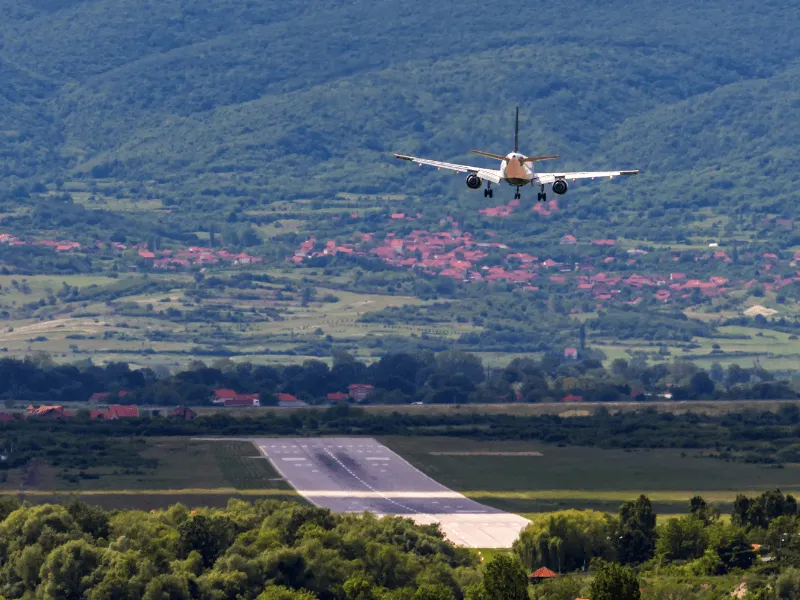
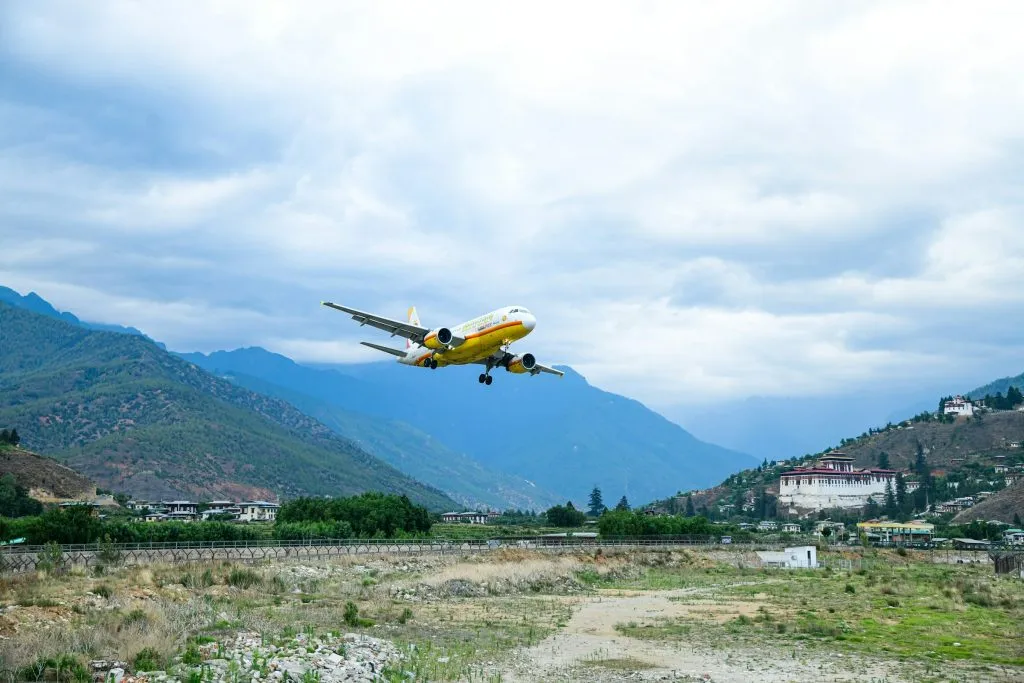
Your trekking guide meets you at Paro airport and drives you to your hotel. After lunch you visit Rinpung Dzong and walk across the cantilever bridge below it. In the evening your guide goes through the trek plan with you and checks your gear. Keep the first day light so your body can adjust to the altitude of about 2,200 metres.
- Overnight: Paro
- Altitude: about 2,200 metres
- Meals: lunch and dinner
Day 2
A day in Thimphu
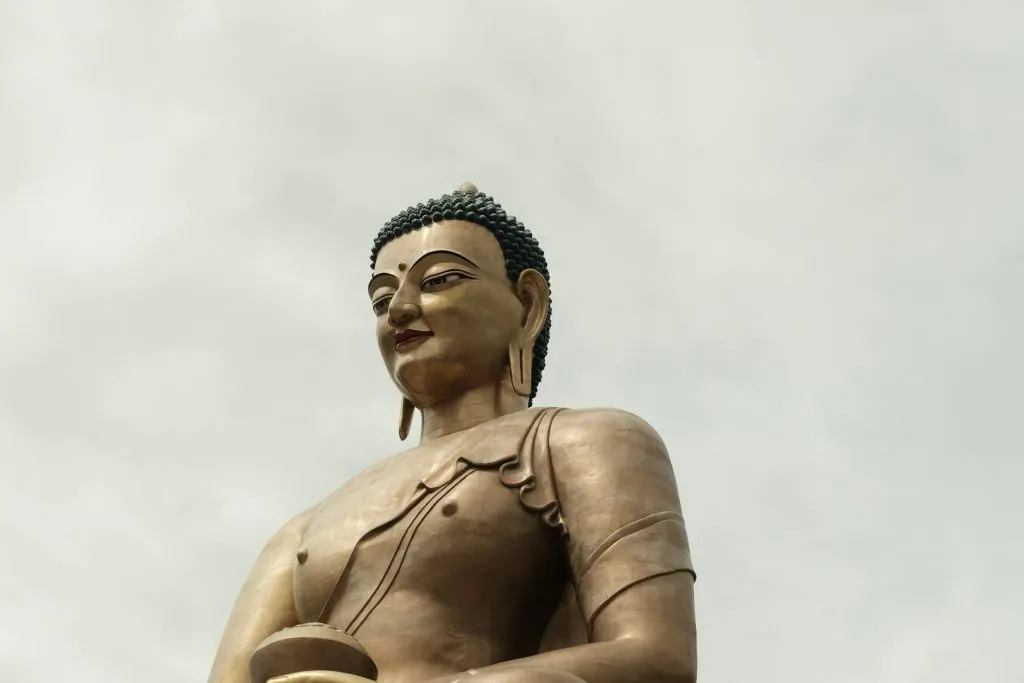
You drive to Thimphu and visit the Memorial Chorten, the Buddha Dordenma, the Textile Museum, where you can see Brokpa clothes, and Tashichho Dzong.
- Overnight: Thimphu
- Drive: about 1.5 hours
- Meals: breakfast, lunch and dinner
Day 3
Dochula and Punakha
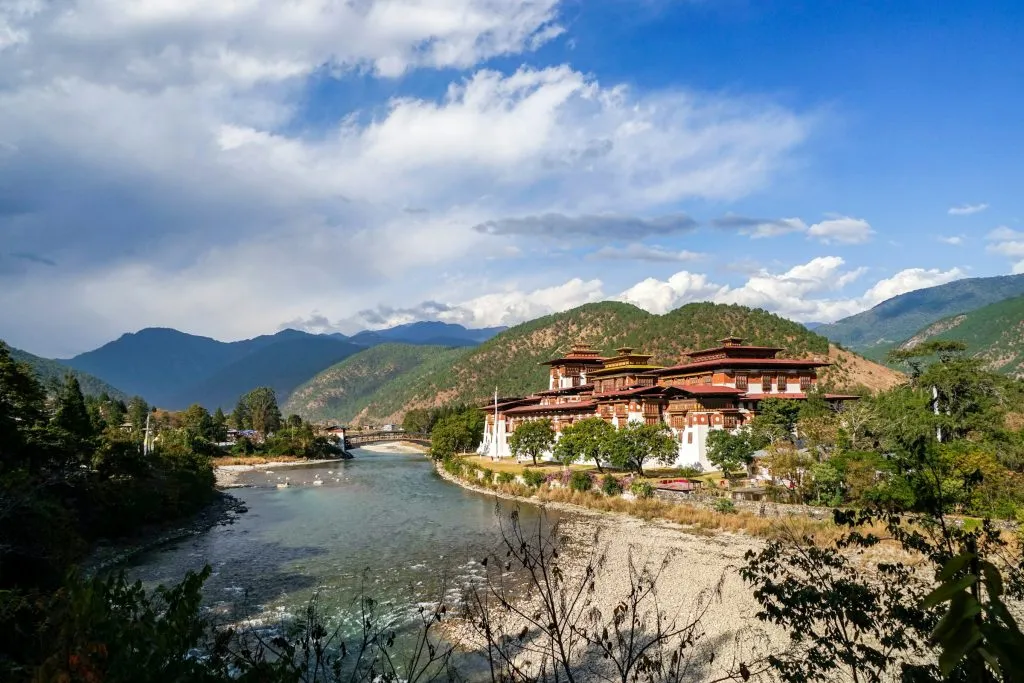
You cross Dochula and visit Punakha Dzong and Chimi Lhakhang in the warm valley below.
- Overnight: Punakha
- Drive: about 3 hours
- Walk: about 1 hour
Day 4
Over Pele La to Trongsa
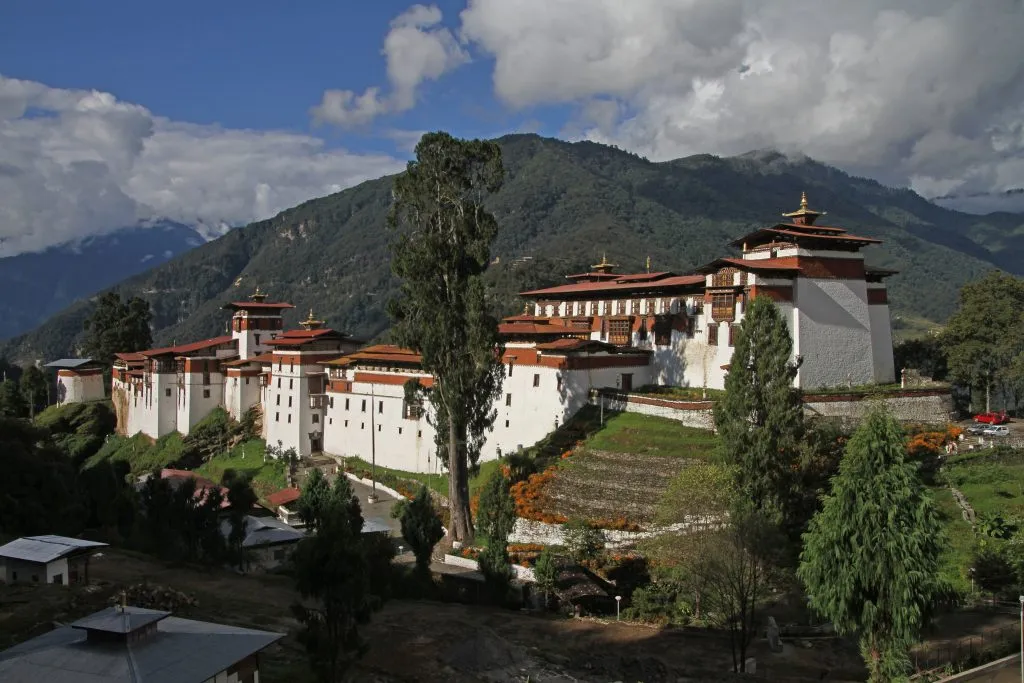
You drive over Pele La to Trongsa and visit the dzong and the Ta Dzong museum.
- Overnight: Trongsa
- Drive: about 5 to 6 hours
- Meals: breakfast, lunch and dinner
Day 5
The temples of Bumthang
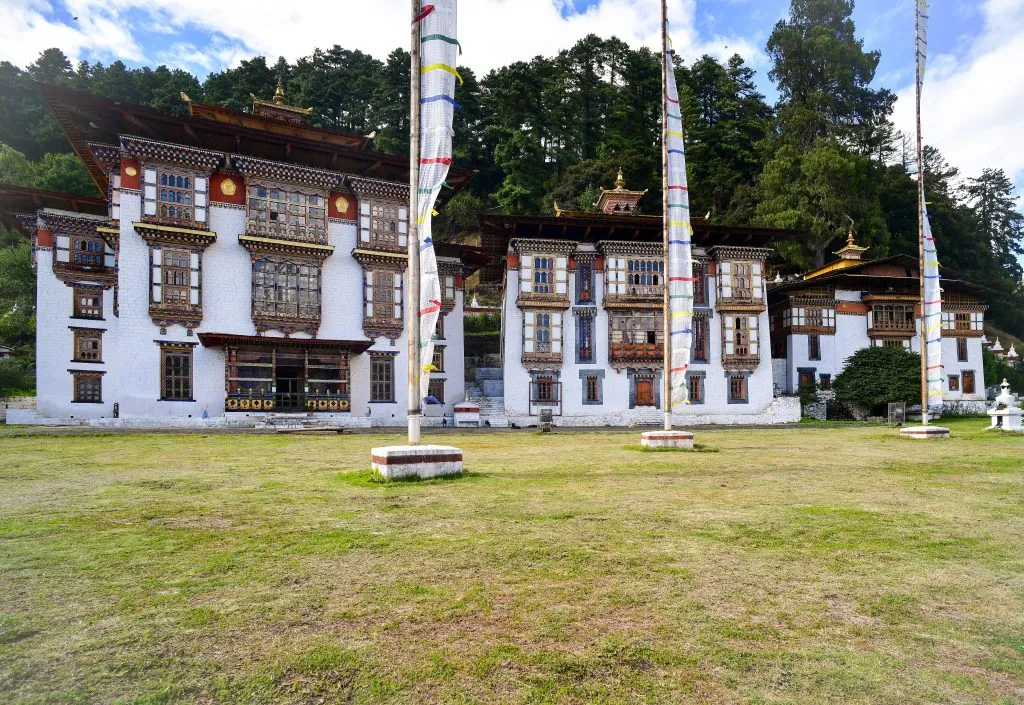
You cross Yotong La to Bumthang and visit Jambay Lhakhang, Kurjey Lhakhang and Jakar Dzong.
- Overnight: Bumthang
- Drive: about 2.5 hours
- Meals: breakfast, lunch and dinner
Day 6
Over Thrumshing La
You pass Ura and climb to Thrumshing La, at about 3,750 metres, then descend almost 3,000 metres through forest to the Kuri Chhu and up to Mongar.
- Overnight: Mongar
- Drive: about 7 hours
- Highest point: about 3,750 metres
Day 7
Trashigang Dzong
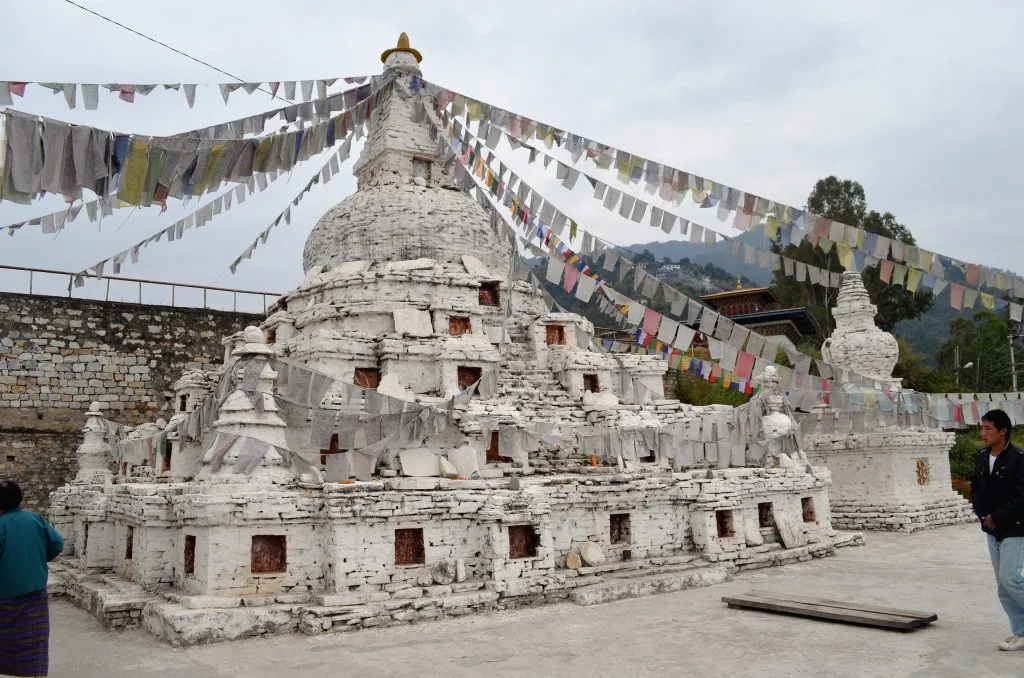
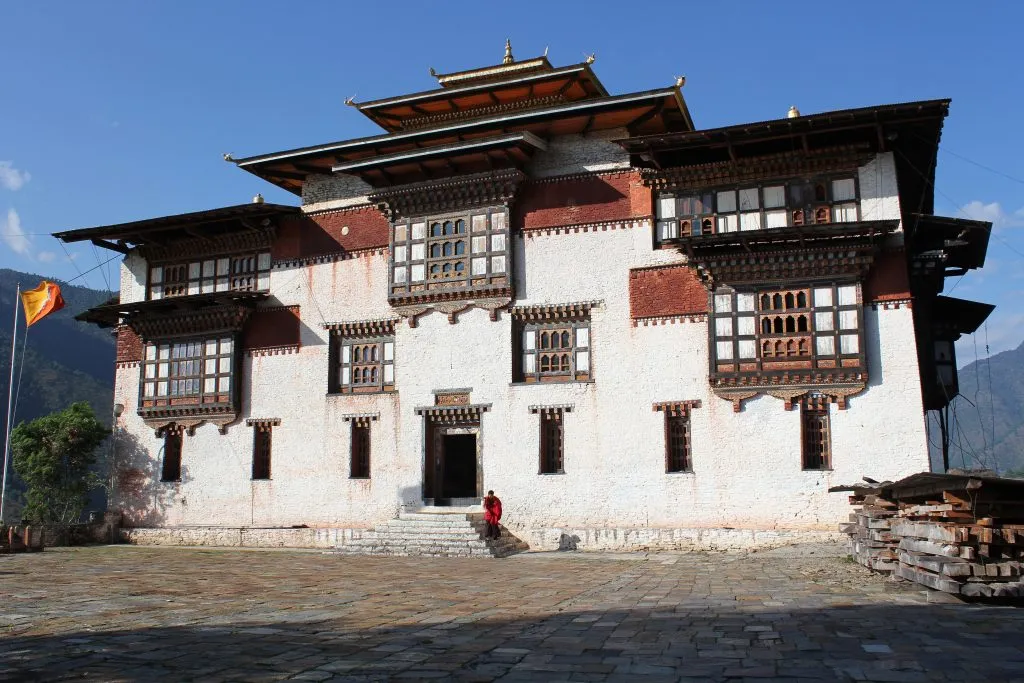
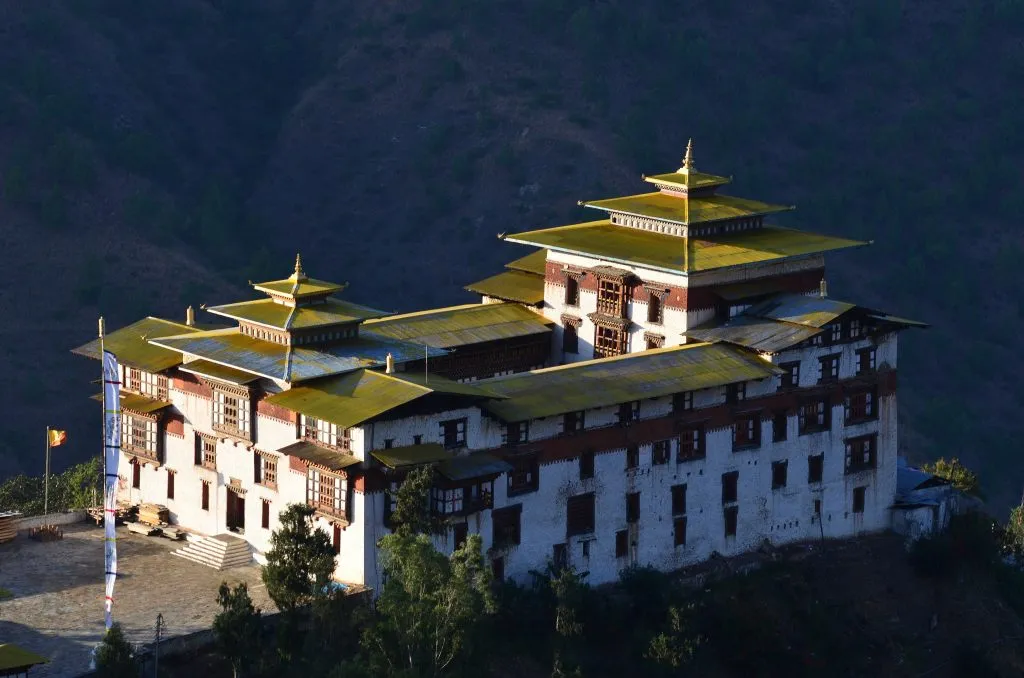
You drive to Trashigang, about three hours, and visit Trashigang Dzong, built in 1659 on a spur above the river. Your crew meets you here and prepares for the trek.
- Overnight: Trashigang
- Drive: about 3 hours
- Meals: breakfast, lunch and dinner
Day 8
Trek day 1: Chaling to Damnongchu
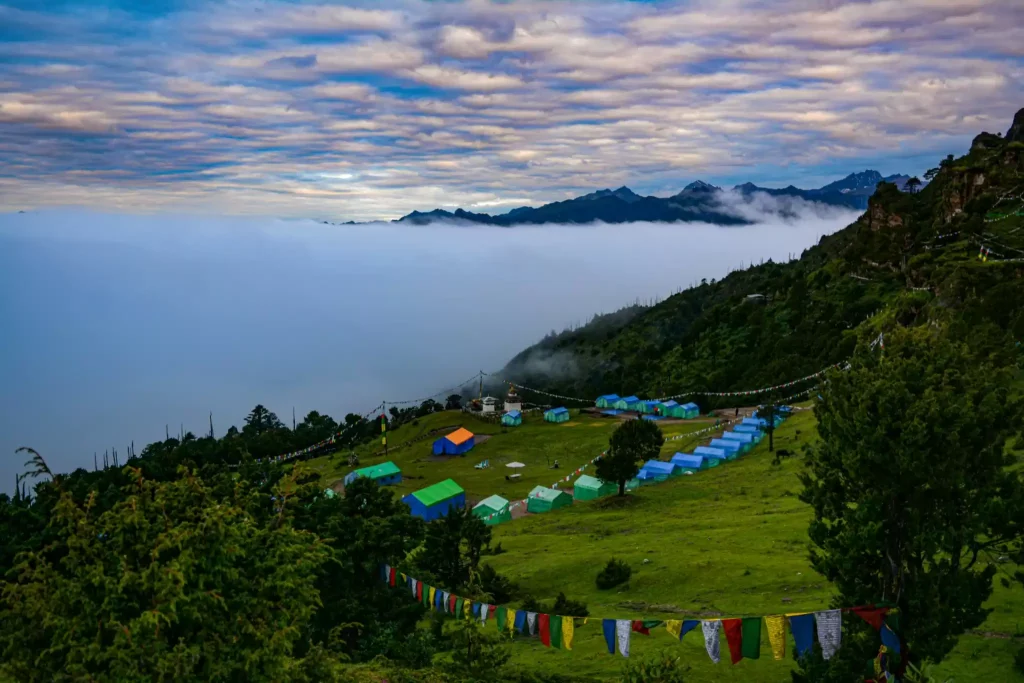
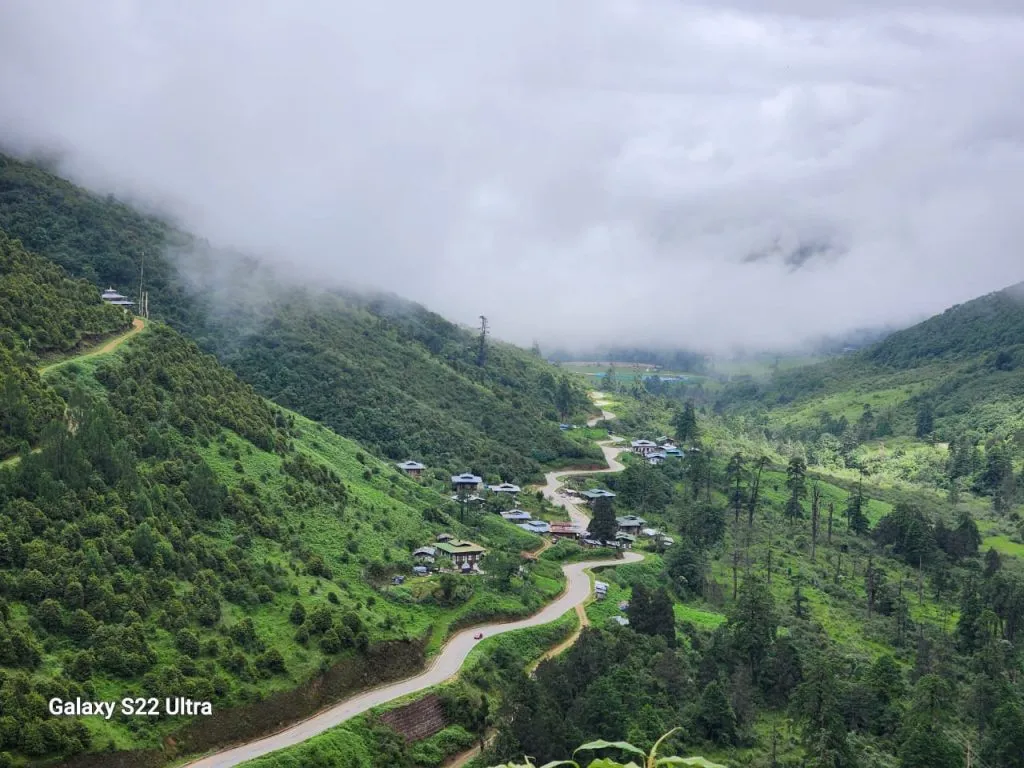
You drive to the trailhead at Chaling and start walking up a river valley through forest of oak and rhododendron. Camp is at Damnongchu, a clearing by a stream at about 2,500 metres.
- Camp: Damnongchu, about 2,500 metres
- Walk: 5 to 6 hours
- Drive: about 2 hours
Day 9
Trek day 2: up to Merak
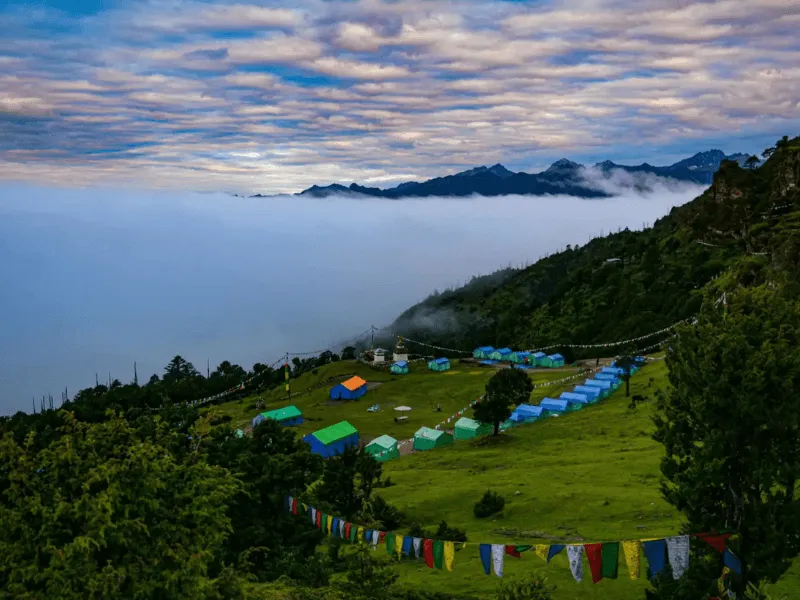
The trail climbs steadily through forest and then open pasture to Merak, at about 3,500 metres. The first sight of the village, with its stone houses and grazing yaks, is one of the highlights of the trek. You camp near the village or stay in a Brokpa homestay.
- Camp or homestay: Merak, about 3,500 metres
- Walk: about 6 hours
- Meals: breakfast, lunch and dinner
Day 10
Trek day 3: life in Merak
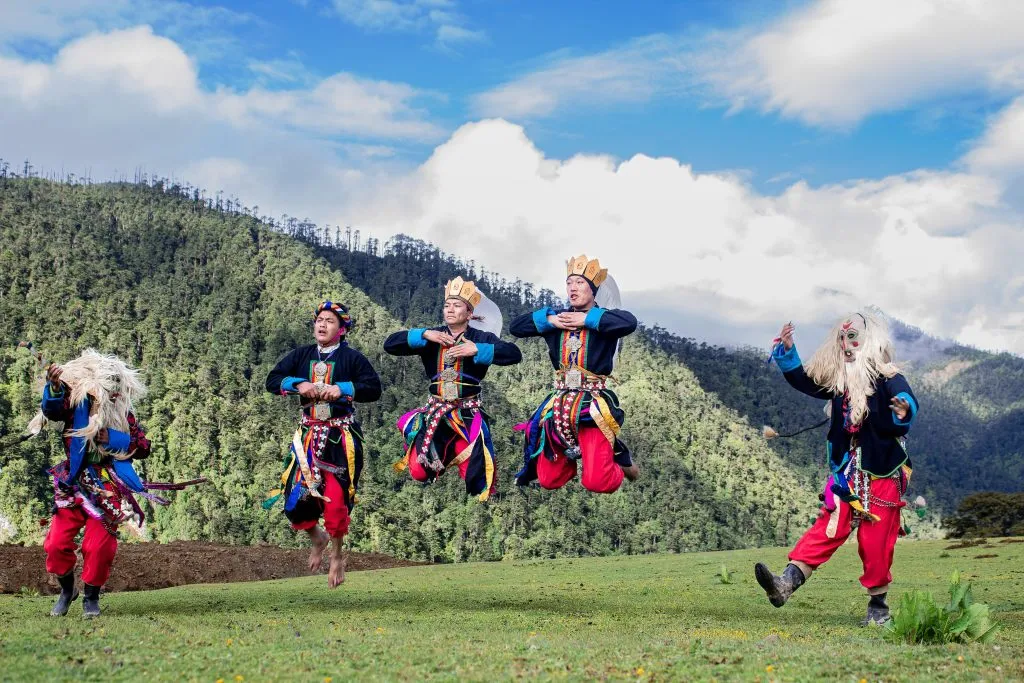
A rest day in Merak. You visit the village temple, watch women weaving and spinning yak hair, and see how butter and cheese are made. In the evening the villagers may perform the Ache Lhamo dance, a Brokpa tradition. In early April the village hosts a Rhododendron Week, listed for 3 to 9 April 2027.
- Camp or homestay: Merak
- Walk: optional village walks
- Meals: breakfast, lunch and dinner
Day 11
Trek day 4: over Nyakchung La
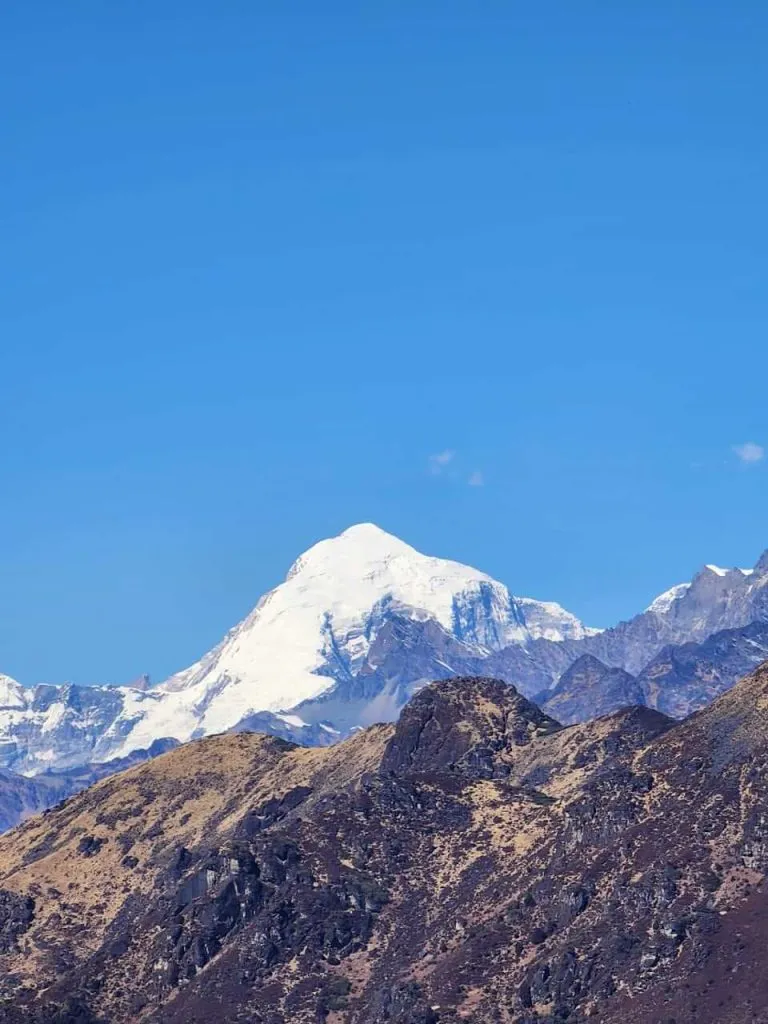
The longest day. You climb to Nyakchung La, at about 4,100 metres, the highest point of the trek, marked by prayer flags and cairns. The trail then drops through rhododendron and fir forest, home to red pandas, to camp at Miksateng, at about 2,800 metres.
- Camp: Miksateng, about 2,800 metres
- Walk: 7 to 8 hours
- Highest point: about 4,100 metres
Day 12
Trek day 5: Miksateng to Sakteng
An easier day through forest and over streams to Sakteng, at about 2,950 metres. In the afternoon you walk through the long village, visit its temples and meet families.
- Camp or homestay: Sakteng, about 2,950 metres
- Walk: about 5 hours
- Meals: breakfast, lunch and dinner
Day 13
Trek day 6: out to the road
You walk down through forest to Joenkhar, where the car meets you, and drive back to Trashigang for a hot shower and a hotel bed.
- Overnight: Trashigang
- Walk: 5 to 6 hours
- Drive: about 2 to 3 hours
Day 14
Down to Samdrup Jongkhar
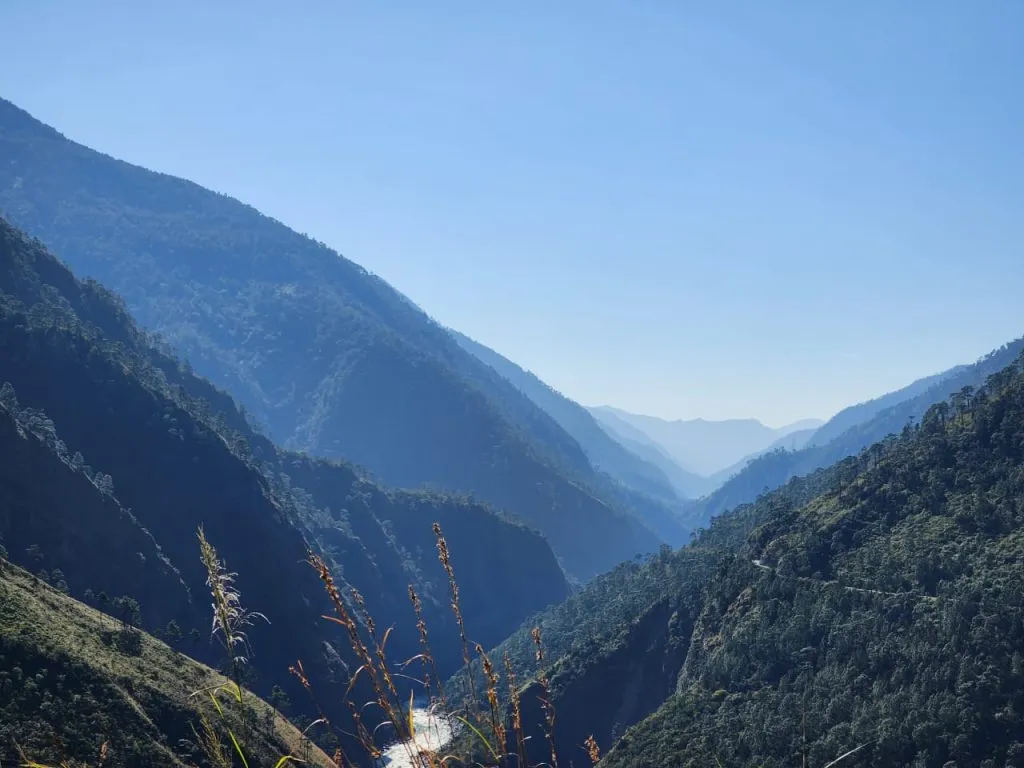
You drive south through Kanglung, Khaling and Wamrong to the border town of Samdrup Jongkhar, dropping from cool hills to warm subtropical forest.
- Overnight: Samdrup Jongkhar
- Drive: about 6 to 7 hours
- Meals: breakfast, lunch and dinner
Day 15
Into India
Your guide helps you through Bhutanese exit formalities, and an Indian driver takes you about three hours to Guwahati.
- Overnight: Guwahati
- Drive: about 3 hours
- Meals: breakfast
Day 16
Fly home from Guwahati
After breakfast you transfer to Guwahati airport for your onward flight.
- Transfer: about 45 minutes
- Meals: breakfast
Where you stay
Where you stay
Hotels across the country, then camps and homestays in the Brokpa villages.
| Nights | Place | Where you stay | Why we chose it |
|---|---|---|---|
| 1 | Paro | 3-star or 4-star hotel | Near the airport |
| 2 | Thimphu | 3-star or 4-star hotel | Central |
| 3 | Punakha | 3-star hotel | Valley views |
| 4 | Trongsa | 3-star hotel | View of the dzong |
| 5 | Bumthang | 3-star hotel | Chamkhar valley |
| 6 | Mongar | Best available hotel | Simple, clean |
| 7 and 13 | Trashigang | Best available hotel | Near the dzong |
| 8 to 12 | Trek | Tented camp or homestay | Damnongchu, Merak, Miksateng, Sakteng |
| 14 | Samdrup Jongkhar | Best available hotel | Near the border |
| 15 | Guwahati | 4-star hotel | Booked for you |
Brokpa homestays are basic, with shared rooms and simple toilets, but they are warm and welcoming.
What the price covers
Included and not included
Included
- Bhutan visa (USD 40) and the Sustainable Development Fee for every night
- Hotels as listed, 3-star as standard, with 4-star and luxury upgrades on request
- All meals in hotels and on the trek, cooked by our trek cook
- A licensed trekking guide, plus a cook and camp crew
- Pack animals for the luggage, tents, mattresses, dining and toilet tents
- Trekking and park permits
- Private car with driver for the road sections
- Route permits for Merak and Sakteng
- Indian car and driver from the border to Guwahati
Not included
- Indian visa for non-Indian nationals
- Flight out of Guwahati
- Travel insurance, which we strongly recommend
- Sleeping bag and personal trekking gear (we can rent a sleeping bag)
- Emergency evacuation costs, which your insurance should cover
- Tips for the trek crew, guide and driver
Price on request
Tell us your budget and we will send our best price
We don’t publish one fixed price, because hotels, season and group size change the total a lot. Tell us your dates, who is travelling and the budget you have in mind. We will reply within 24 hours with our best price for this Merak Sakteng trek.
How we price
What decides the cost of this trip
Government fees
The SDF is USD 100 per adult per night until 31 August 2027, plus a USD 40 visa. These are fixed by the Government of Bhutan and paid through us.
Hotels you choose
Group size, homestay or camping and the Guwahati arrangements change the total most.
Season and dates
Spring and autumn are peak season. Winter and summer dates are often easier to price well.
Group size
Guide and car costs are shared, so the price per person drops for two, three or four travellers.
We send a written, itemised quote before you pay anything. No booking fees.
Good to know
Planning your Merak Sakteng trek
How hard is it?
The Merak Sakteng trek is moderate. Most days are five to six hours, with one long day of seven to eight hours over Nyakchung La, at about 4,100 metres. The trail is a working path used by herders and their animals, so it can be muddy and rocky. You need good walking fitness, but no technical skills.
Best time to go
The best months are March to May and September to November. Spring brings rhododendrons in flower, and Merak holds a Rhododendron Week, listed for 3 to 9 April 2027. Autumn is dry and clear. Winter is cold and the pass can have snow; the monsoon, June to August, makes the trail slippery and leech-ridden.
Roads and permits
A road now reaches Merak from the Trashigang side, but sections are often blocked by landslides, and published drive times vary a lot. We decide each season whether to walk in from Chaling or drive part of the way, depending on conditions. Visits to Merak and Sakteng need a route permit, which we arrange with your visa.
The migoi
Sakteng Wildlife Sanctuary is often described as the only protected area in the world created partly to protect the yeti, called migoi in Bhutan. Many Brokpa tell stories of the migoi and some say they have seen its footprints. Whatever you believe, the sanctuary protects real animals too: red pandas, Himalayan black bears and many birds.
Travelling in eastern Bhutan
The east sees only a small share of Bhutan’s visitors, and that is part of its appeal. Roads are narrower, drives are long and hotels are simpler than in Paro or Thimphu, usually clean family-run places rather than resorts. In return you get quiet dzongs, villages that rarely see tourists and some of Bhutan’s best weaving. We use a comfortable SUV, keep driving days to a sensible length and build in rest stops. Our 14 day Eastern Bhutan tour covers the region in more depth.
Leaving through Samdrup Jongkhar
Samdrup Jongkhar, on the border with Assam, is an official entry and exit point for international visitors. Ending your trip there saves you the two or three day drive back to Paro. From the border it is about three hours by road to Guwahati, which has flights to Delhi, Kolkata, Bangkok and other cities. Your guide stays with you through Bhutanese immigration, and we can arrange an Indian car and hotel in Guwahati. Non-Indian visitors need a valid Indian visa for this route.
Permits, guides and the trek crew
All visitors to Bhutan travel with a licensed guide, and on a trek you also need a licensed trekking guide and the route and park permits, which we arrange. Your crew includes a cook, camp staff and horsemen with pack ponies or yaks, depending on the altitude. They set up the tents before you arrive, serve hot drinks in the morning and cook three meals a day. Trekking fees and permits are included in our price, along with the SDF for every night.
What to bring on trek
Broken-in waterproof boots, a down jacket, thermal layers, a waterproof shell, a warm hat and gloves, sunglasses, sunscreen, trekking poles and a four-season sleeping bag (we can rent one). Our crew carries tents, mattresses, the kitchen and all food. See our packing list for the basics.
Visa, SDF and guide rules
Every visitor except Indian nationals needs a visa, which costs USD 40 and is issued online before you fly. The Sustainable Development Fee is USD 100 per adult per night until 31 August 2027, with half rates for children aged 6 to 11. A Department of Tourism notice from April 2026 confirms that visitors travel with a licensed guide. We file the visa and pay the SDF for you. Read more in our Bhutan visa guide and SDF guide.
Merak Sakteng trek: questions
It depends on your hotels, group size and dates. Tell us your budget and we will reply within 24 hours with our best price, including the SDF, visa, hotels, meals, guide and car.
Semi-nomadic yak and sheep herders of Merak and Sakteng, with their own language and dress.
Nyakchung La, at about 4,100 metres.
Yes. We can arrange homestays in Merak and Sakteng instead of camping.
Yes, a route permit for Merak and Sakteng. We arrange it.
Yes, if you are not Indian, because the trip ends in Guwahati.
March to May and September to November.
Three to five months ahead.
Price on request
Ask for your best price
Tell us your dates, your trekking experience and your budget. We will reply within 24 hours with our best price for this Merak Sakteng trek.
- Share your budget, we shape the trip around it
- No booking fees, ever
- A reply within 24 hours
- Licensed Bhutanese tour operator
- +975 17533776
- +975 77495028
- info@deyabhutantours.com
- Thimphu, Bhutan
Let's plan your Bhutan journey
Tell us a little about your trip. Our team in Thimphu will reply with ideas, a day-by-day plan and a full price.
We’ll reply within 24 hours. No booking fees, and no obligation to book.