- Licensed Bhutanese tour operator
- Thimphu, Bhutan
Homestay tour · 8 days, 7 nights
8 Day Bhutan Farmhouse Homestay Tour: Live, Cook and Farm with Bhutanese Families
A week staying with families in certified village homestays in Punakha, Haa and Paro: cook ema datshi and buckwheat dumplings, help in the fields, soak in a hot stone bath and hike to the Tiger’s Nest.
- 8 days, 7 nights
- Certified village homestays
- Punakha, Haa and Paro
123
Homestays certified by the Department of Tourism
3
Guest rooms at most per homestay
3
Valleys
Private
Guide and car
Trip overview
Bhutan from the kitchen and the field
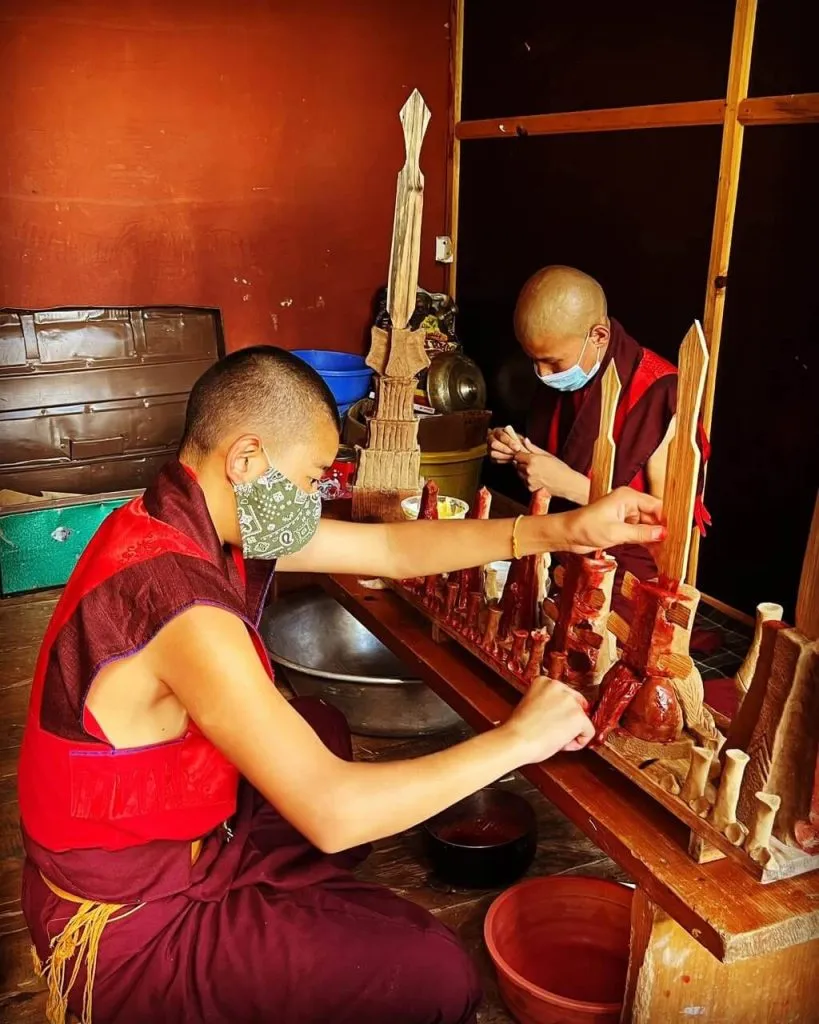
The best way to understand Bhutan is from inside a Bhutanese home. Most people in the country still live in villages, in big three-storey farmhouses of rammed earth and timber, with the family on the upper floors, an altar room for prayers, and fields of rice, chillies or buckwheat all around. Staying with a family shows you how daily life works: what people eat, how they pray, what they grow and how they spend their evenings.
This trip uses village homestays certified by Bhutan’s Department of Tourism, which has approved 123 homestays across the country. Each has no more than three guest rooms, inside the family’s own house, with clean toilets and home-cooked meals. You stay with families in the rice-growing Punakha valley, in the quiet highland valley of Haa, and in Paro, with one night in a Thimphu hotel along the way.
Every day includes something hands-on: cooking, farming, archery, weaving or a hot stone bath. You also see the main sights, including Punakha Dzong and the Tiger’s Nest, but the heart of the trip is the time with your hosts.
- Certified village homestays with Bhutanese families
- Cooking, farming, archery and hot stone baths
- Punakha, Haa and Paro, plus the Tiger's Nest
Highlights
What you will do
Cook
Ema datshi, momos and Haa's buckwheat dumplings.
Farm
Help in the fields with the season's work.
Hot stone bath
The traditional menchu, in a farmhouse.
Archery
Try a bamboo bow with the neighbours.
Dress
Try on kira and gho with your host family.
Tiger's Nest
The cliff monastery above Paro.
Itinerary at a glance
Eight days, three families
Farm work depends on the season; your hosts decide what’s needed.
Day 1: Arrive, to Punakha
Land in Paro, drive to a Punakha homestay.
Day 2: Punakha village life
Farm work, Chimi Lhakhang, Punakha Dzong.
Day 3: To Thimphu
Dochula, Thimphu’s Folk Heritage Museum, craft bazaar.
Day 4: To Haa
Over Chele La to a Haa homestay.
Day 5: Haa valley
Lhakhang Karpo, village walk, archery.
Day 6: To Paro
Drive to a Paro homestay, hot stone bath.
Day 7: Tiger's Nest
Hike to Paro Taktsang, farewell dinner.
Day 8: Depart
Transfer to Paro airport.
Day 1
To your first family
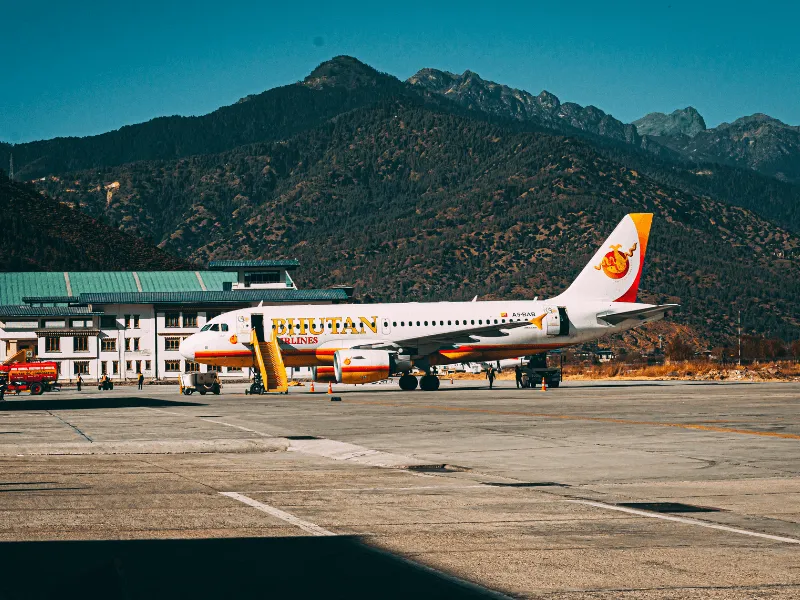
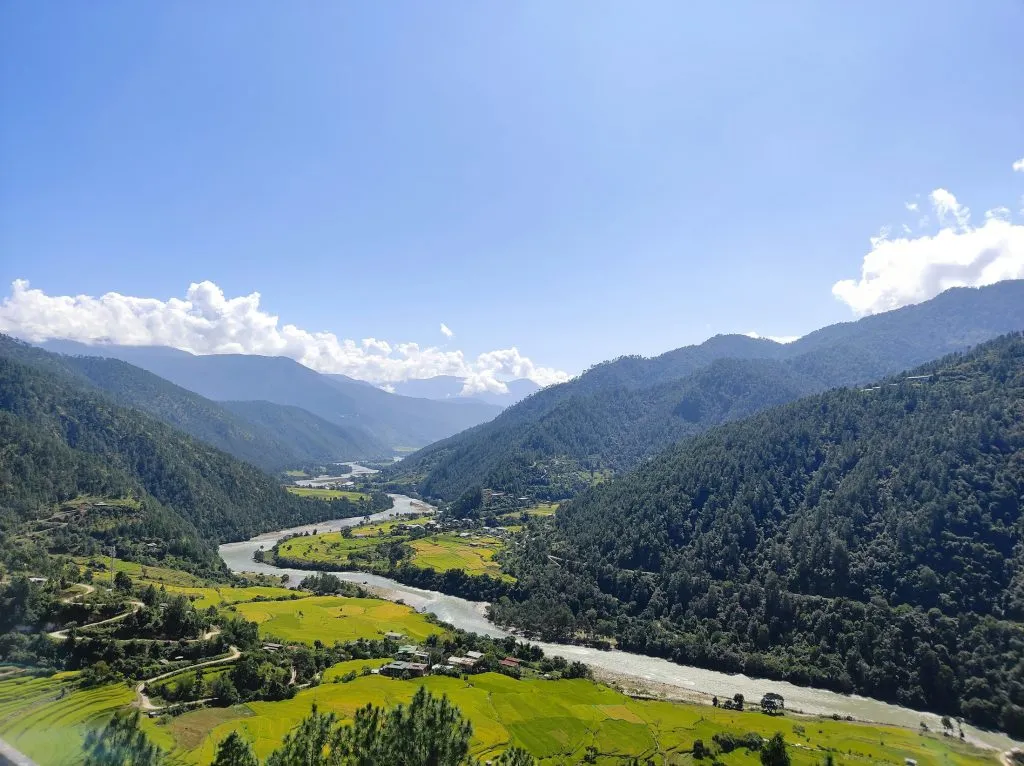
Your guide meets you at Paro airport and drives you over Dochula to the Punakha valley, about four and a half hours. You arrive at your first homestay, a farmhouse among rice fields, in time for tea and dinner with the family.
- Overnight: Punakha homestay
- Drive: about 4.5 hours
- Meals: lunch and dinner
Day 2
A day in the rice valley
The morning is spent with your hosts: planting or harvesting rice in season, tending vegetables, or helping in the kitchen. Then you walk through the fields to Chimi Lhakhang and visit Punakha Dzong in the afternoon. In the evening, you help cook dinner.
- Overnight: Punakha homestay
- Activity: farm work and cooking
- Meals: home-cooked
Day 3
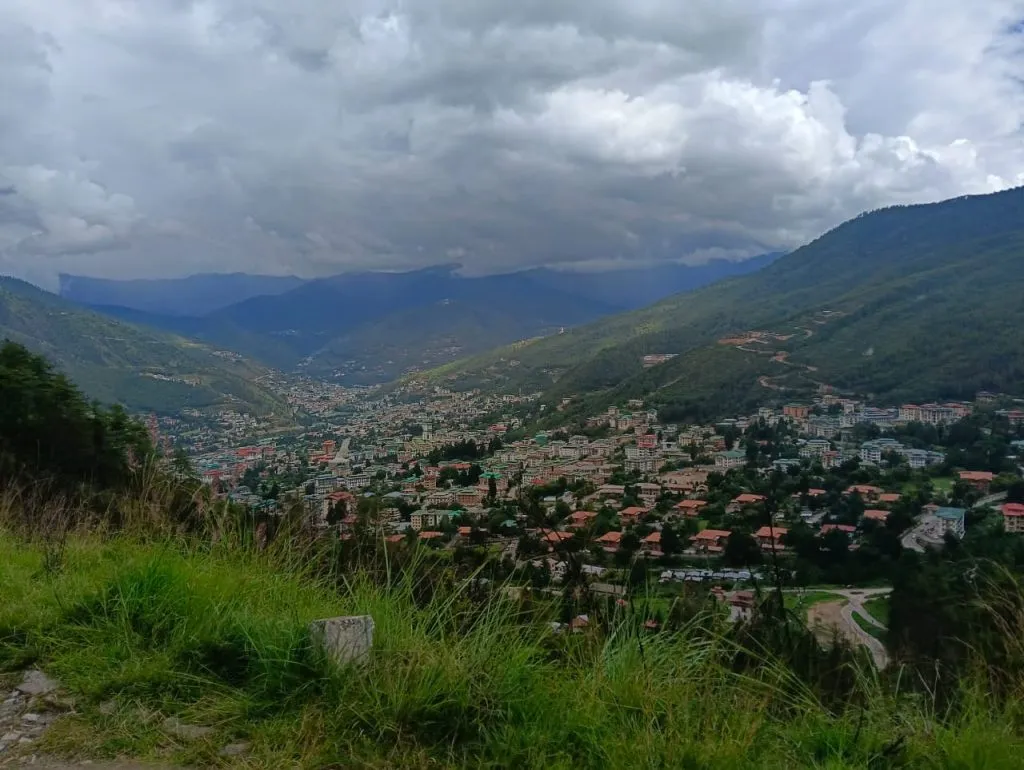
On to Thimphu
You cross Dochula to Thimphu. In the afternoon you visit the Folk Heritage Museum, a traditional farmhouse preserved as it was, and the craft bazaar for handwoven textiles. Tonight you stay in a hotel.
- Overnight: Thimphu hotel
- Drive: about 3 hours
- Meals: breakfast, lunch and dinner
Day 4
Over Chele La to Haa
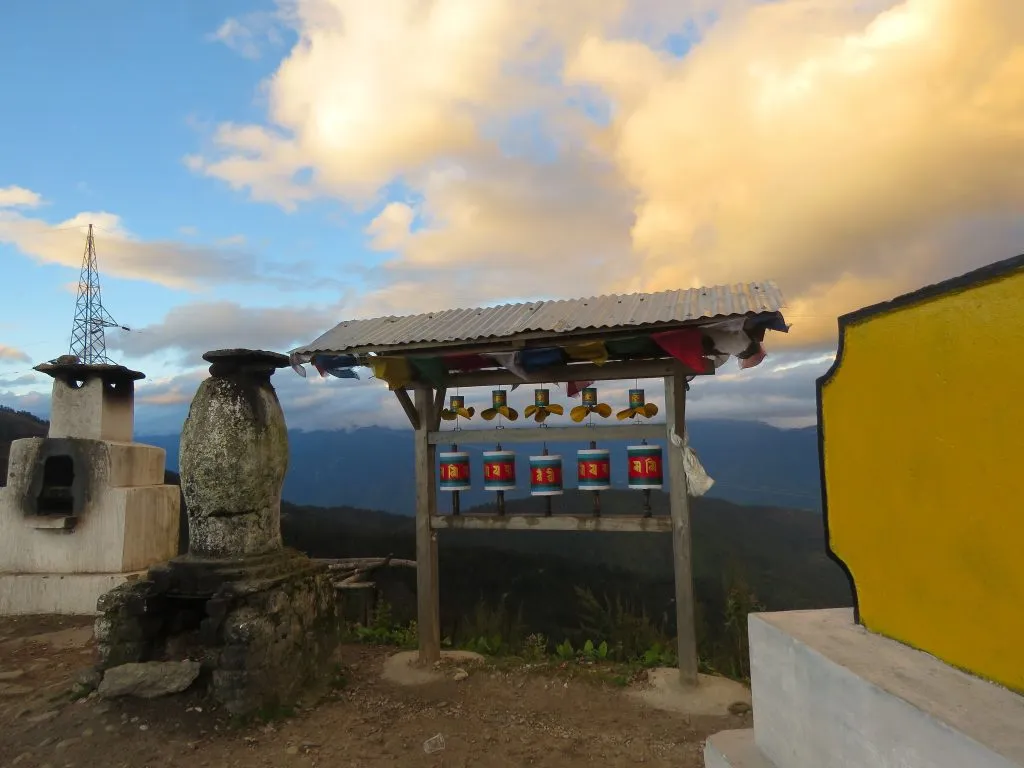
You drive over Chele La, at about 3,988 metres, the highest road pass in western Bhutan, into the quiet Haa valley. Your second homestay is a farmhouse in a village of buckwheat and potato fields. In the evening, your hosts may teach you to make hoentey, Haa’s buckwheat dumplings.
- Overnight: Haa homestay
- Drive: about 3.5 hours
- Highlight: hoentey cooking
Day 5
A day in the Haa valley
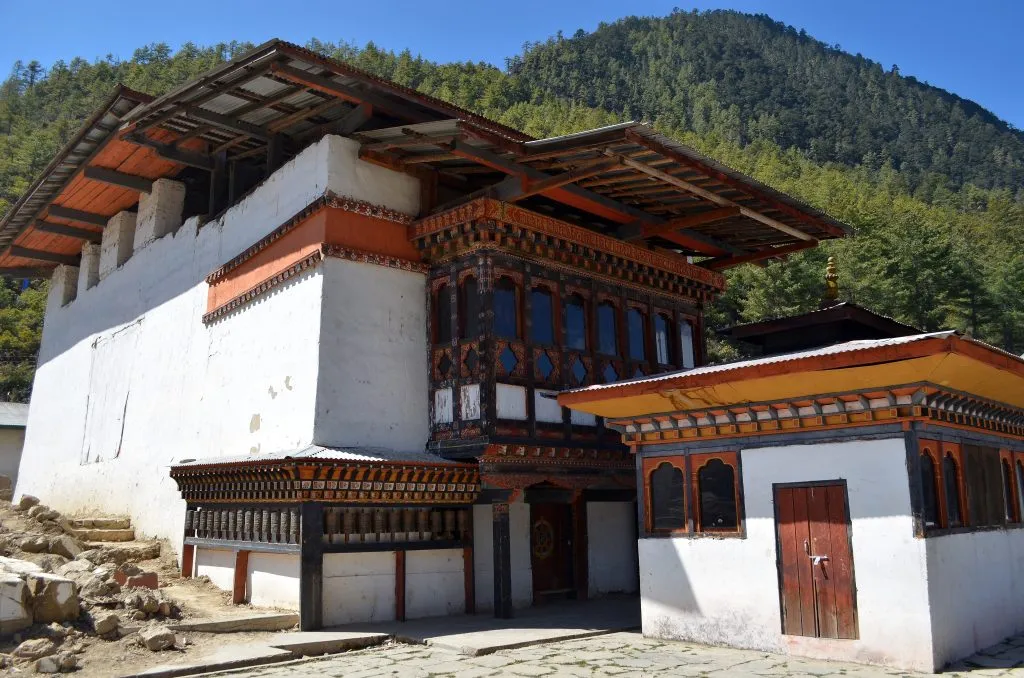
You walk through the valley to Lhakhang Karpo and Lhakhang Nagpo, the white and black temples. In the afternoon, neighbours may invite you to try archery. Haa sees few tourists, and village life here is unhurried.
- Overnight: Haa homestay
- Walking: about 3 hours, easy
- Activity: archery
Day 6
Back to Paro
You drive back over Chele La to your third homestay in the Paro valley. In the afternoon you visit Kyichu Lhakhang, then your hosts prepare a hot stone bath: a wooden tub heated with river stones roasted in the fire.
- Overnight: Paro homestay
- Drive: about 2.5 hours
- Evening: hot stone bath
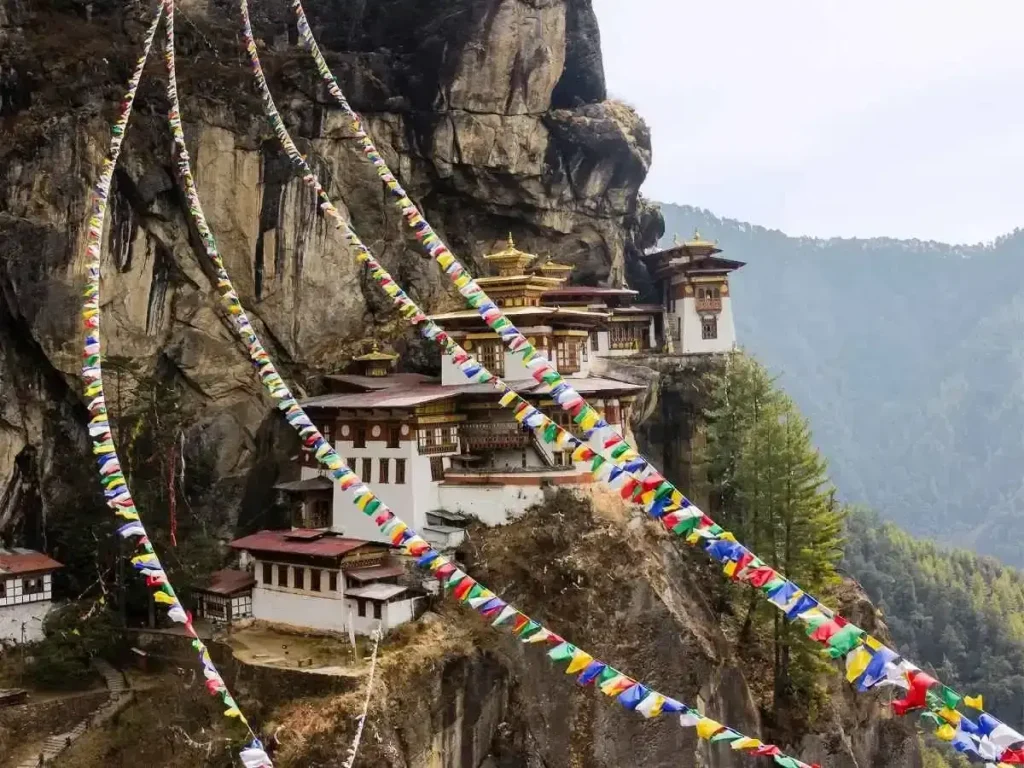
Day 7
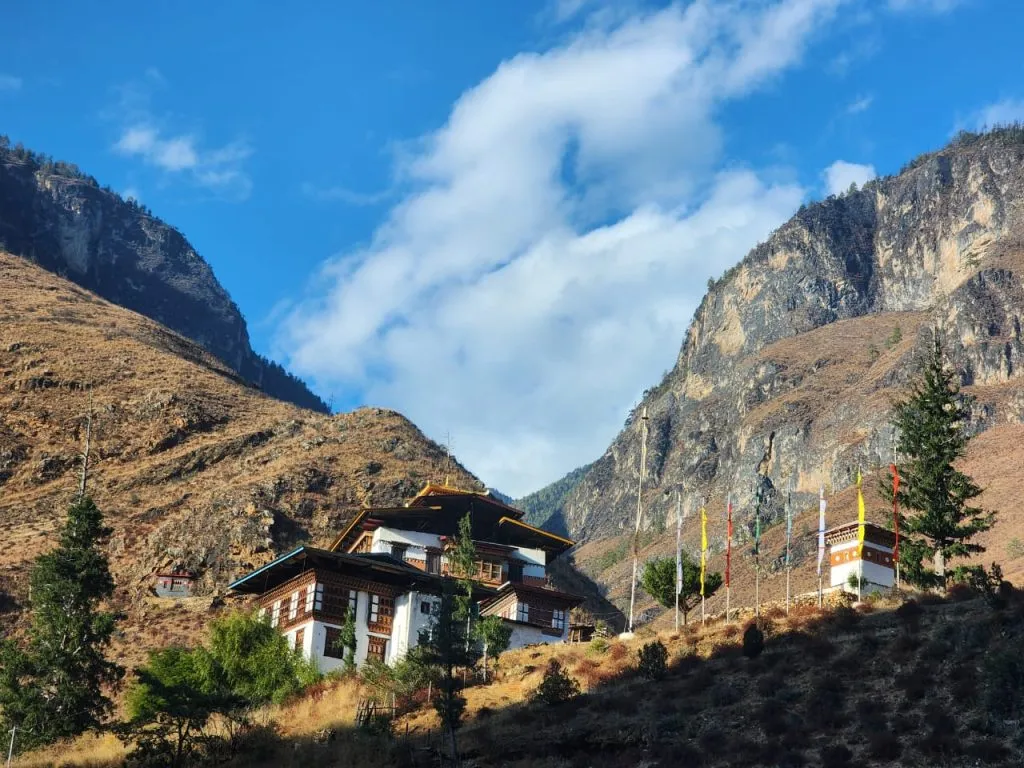
Hike to the Tiger's Nest
The hike to the Tiger’s Nest takes five to six hours return. In the evening, a farewell dinner with your host family, perhaps in kira and gho.
- Overnight: Paro homestay
- Hike: 5 to 6 hours return
- Altitude: about 3,120 metres
Day 8
Fly home
After breakfast you say goodbye to your hosts, and your guide drives you to Paro airport.
- Transfer: about 15 minutes
- Meals: breakfast
Where you stay
Where you stay
Certified village homestays, plus one hotel night in Thimphu.
| Nights | Place | Where you stay | Why we chose it |
|---|---|---|---|
| 1 and 2 | Punakha | Certified homestay | Farmhouse among rice fields |
| 3 | Thimphu | 3-star or 4-star hotel | Central |
| 4 and 5 | Haa | Certified homestay | Highland village |
| 6 and 7 | Paro | Certified homestay | Farmhouse in the valley |
Homestays are clean and simple. Rooms are inside the family home, with shared bathrooms in most houses.
What the price covers
Included and not included
Included
- Bhutan visa (USD 40) and the Sustainable Development Fee for every night
- Hotels as listed, 3-star as standard, with 4-star and luxury upgrades on request
- Certified homestays and one hotel night as listed
- All meals, home-cooked in the homestays
- Cooking, farming and archery activities
- Hot stone bath in Paro
- A licensed English-speaking guide for the whole trip
- Private car or SUV with a Bhutanese driver, and all transfers
- Entry fees to dzongs, temples and museums
- Bottled water in the car
Not included
- International flights into and out of Paro (we can book them for you)
- Travel insurance, which we strongly recommend
- Drinks, laundry and other personal costs
- Tips for your guide and driver
- Anything not listed under included
Price on request
Tell us your budget and we will send our best price
We don’t publish one fixed price, because hotels, season and group size change the total a lot. Tell us your dates, who is travelling and the budget you have in mind. We will reply within 24 hours with our best price for this farmhouse homestay tour.
How we price
What decides the cost of this trip
Government fees
The SDF is USD 100 per adult per night until 31 August 2027, plus a USD 40 visa. These are fixed by the Government of Bhutan and paid through us.
Hotels you choose
Homestays are good value. Group size and the season make the main difference.
Season and dates
Spring and autumn are peak season. Winter and summer dates are often easier to price well.
Group size
Guide and car costs are shared, so the price per person drops for two, three or four travellers.
We send a written, itemised quote before you pay anything. No booking fees.
Good to know
Planning a homestay trip
What a certified homestay is
Bhutan’s Department of Tourism certifies and registers village homestays. A certified homestay has no more than three guest rooms, with up to two guests per room, all inside the family’s own house. It must have at least one clean toilet with running water, and the family provides home-cooked meals. Certificates are valid for three years and are displayed in the house, so you know the homestay has been checked.
Life in a Bhutanese farmhouse
Traditional farmhouses have three floors. The ground floor was once for animals and storage, the family lives above, and the top floor is often open for drying hay and chillies. Every house has an altar room, the most important room in the home. Take your shoes off at the door, ask before entering the altar room and never point your feet towards the altar.
What the farming looks like by season
In Punakha, rice is planted in June and July and harvested in October and November. Haa grows buckwheat, potatoes and wheat. In spring, families plant chillies and vegetables; in autumn, they dry chillies on the roofs. Your hosts will choose tasks that fit the season and your energy.
Food in a homestay
Meals are home-cooked and simple: red rice, ema datshi, vegetables from the garden, sometimes meat, and plenty of butter tea and suja. Hosts will happily make food less spicy. Tell us about any allergies or diet before you travel, and we will let your hosts know.
Who it suits
Homestays suit curious travellers who are happy with simple comforts and want to meet people. Families with children love them. If you prefer hotels every night, we can mix hotel nights with one or two homestay evenings, or see our 7 day Bhutan tour.
Temple etiquette
Cover shoulders and knees in dzongs and temples, take off hats, and walk clockwise around chortens and prayer wheels. Photography is not allowed inside shrine rooms. Your guide explains each place before you go in. Read more in our Bhutan travel rules guide.
Visa, SDF and guide rules
Every visitor except Indian nationals needs a visa, which costs USD 40 and is issued online before you fly. The Sustainable Development Fee is USD 100 per adult per night until 31 August 2027, with half rates for children aged 6 to 11. A Department of Tourism notice from April 2026 confirms that visitors travel with a licensed guide. We file the visa and pay the SDF for you. Read more in our Bhutan visa guide and SDF guide.
Flying into Paro
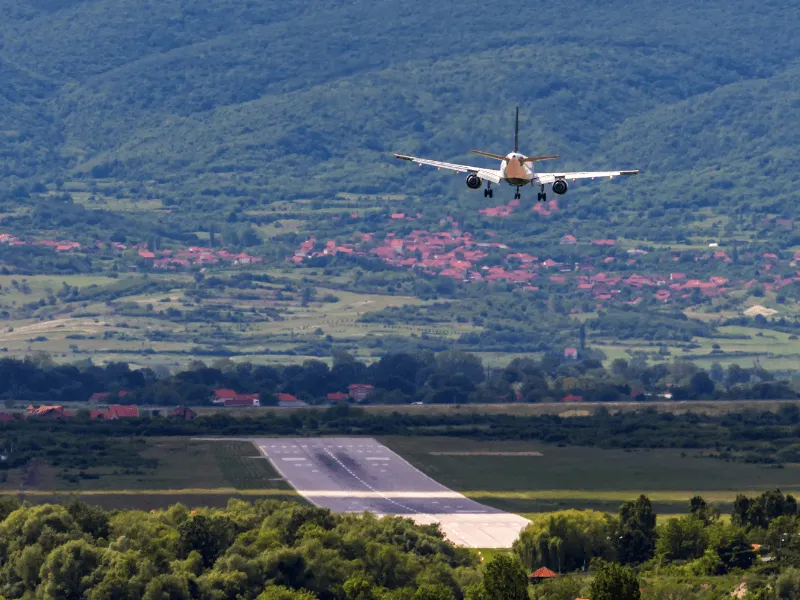
Only Drukair and Bhutan Airlines fly into Paro, mainly from Bangkok, Delhi, Kathmandu, Kolkata and Singapore. Pilots land by sight between the ridges, so morning flights are the most reliable. We suggest a night in your hub city on the way in. Our flights to Bhutan page lists every route.
Bhutan homestay tour: questions
It depends on your hotels, group size and dates. Tell us your budget and we will reply within 24 hours with our best price, including the SDF, visa, hotels, meals, guide and car.
Yes. Certified homestays are checked by the Department of Tourism and must meet set standards.
Some do. Most have shared bathrooms inside the house.
No. You join in as much or as little as you like.
Yes. Families often enjoy homestays most of all.
Hosts can make it mild on request.
Yes. We can adjust the balance.
Two to four months ahead; homestays have few rooms.
Price on request
Ask for your best price
Tell us your dates, who is travelling and your budget. We will reply within 24 hours with our best price for this homestay tour.
- Share your budget, we shape the trip around it
- No booking fees, ever
- A reply within 24 hours
- Licensed Bhutanese tour operator
- +975 17533776
- +975 77495028
- info@deyabhutantours.com
- Thimphu, Bhutan
Let's plan your Bhutan journey
Tell us a little about your trip. Our team in Thimphu will reply with ideas, a day-by-day plan and a full price.
We’ll reply within 24 hours. No booking fees, and no obligation to book.