- Licensed Bhutanese tour operator
- Thimphu, Bhutan
Special interest tour · 8 days, 7 nights
8 Day Bhutan Traditional Sports and Culture Tour: Archery, Khuru, Degor and More
Pick up a bamboo bow, throw khuru darts with the village team and learn the songs and dances that go with every match, on a cultural tour of Paro, Thimphu and Punakha built around Bhutan’s games.
- 8 days, 7 nights
- Archery, khuru and degor
- Play with local teams
1971
Archery became the national sport
145 m
Distance to the archery target
6
Traditional sports to try
Easy
Grade
Trip overview
Games that bring Bhutan together
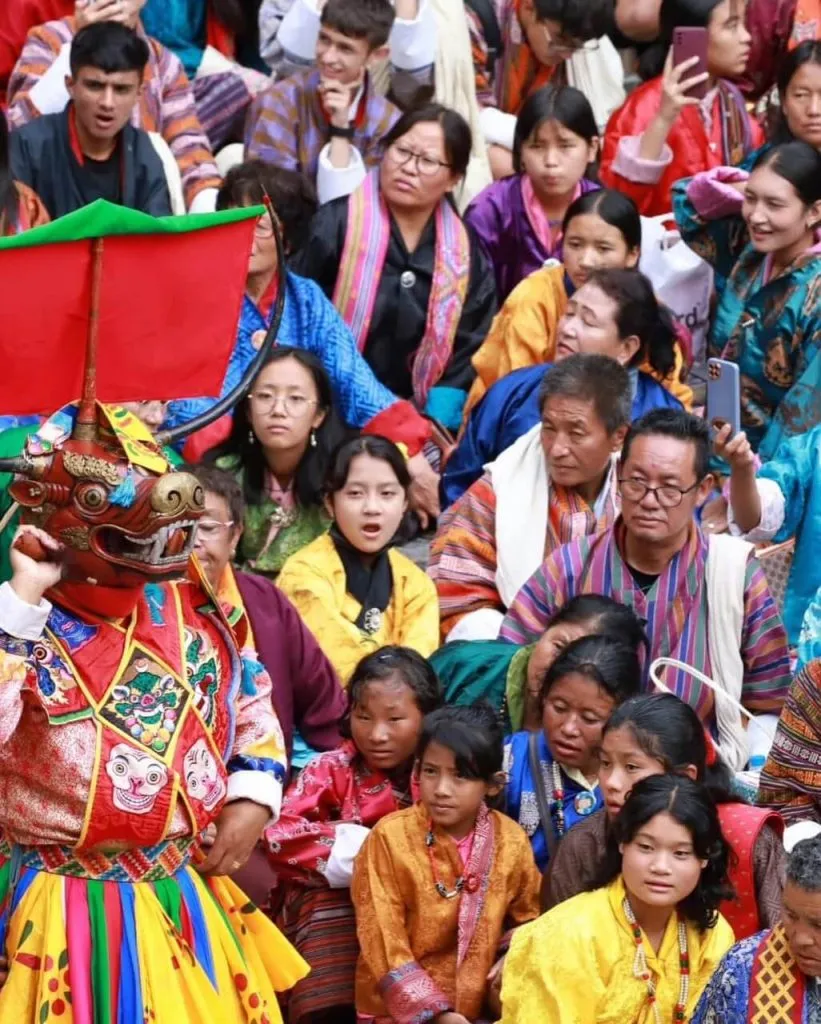
Walk past any open field in Bhutan on a weekend and you will probably hear singing, shouting and laughter. It is an archery match. Archery, or datse, became the national sport of Bhutan in 1971, the year the country joined the United Nations, and it is far more than a sport. Teams from villages, offices and families compete over two small targets about 145 metres apart, dancing and singing when they hit, teasing the other side when they miss, and sharing food and drink on the sidelines. Women cheer, dance and sing songs to tease the opposing archers.
Archery is the best known, but it is only one of Bhutan’s traditional games. Khuru is a darts game played with heavy wooden darts over a distance of about 20 metres. Degor is played by throwing flat stones at a peg, a little like quoits. Soksum is a javelin game, pungdo a kind of shot put, and keshey a form of wrestling. Many of these are played at Losar, the new year, and at local festivals.
This 8 day tour mixes the classic sights of western Bhutan with time on the playing field. You watch matches in Thimphu and Paro, take a lesson in traditional bamboo archery, play khuru and degor with village teams, learn about the rituals that go with each game, and finish with a friendly match of your own. If your dates fall on a tournament or a festival, we build the trip around it.
- Archery lesson with traditional bamboo bows
- Khuru, degor and other games with village teams
- Thimphu, Punakha and the Tiger's Nest
Highlights
Highlights of the tour
Archery match
Songs, dances and teasing at a real match.
Bamboo bow lesson
Learn to shoot the traditional way.
Khuru with villagers
Heavy wooden darts and friendly rivalry.
Changlimithang
Thimphu's national stadium and archery ground.
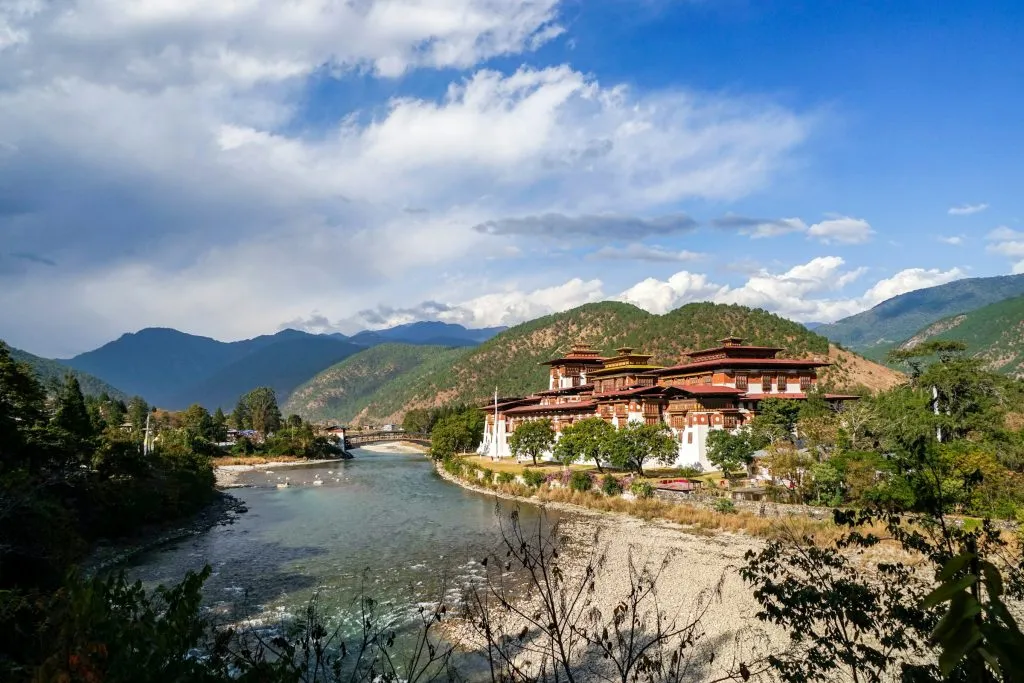
Punakha Dzong
The fortress where two rivers meet.
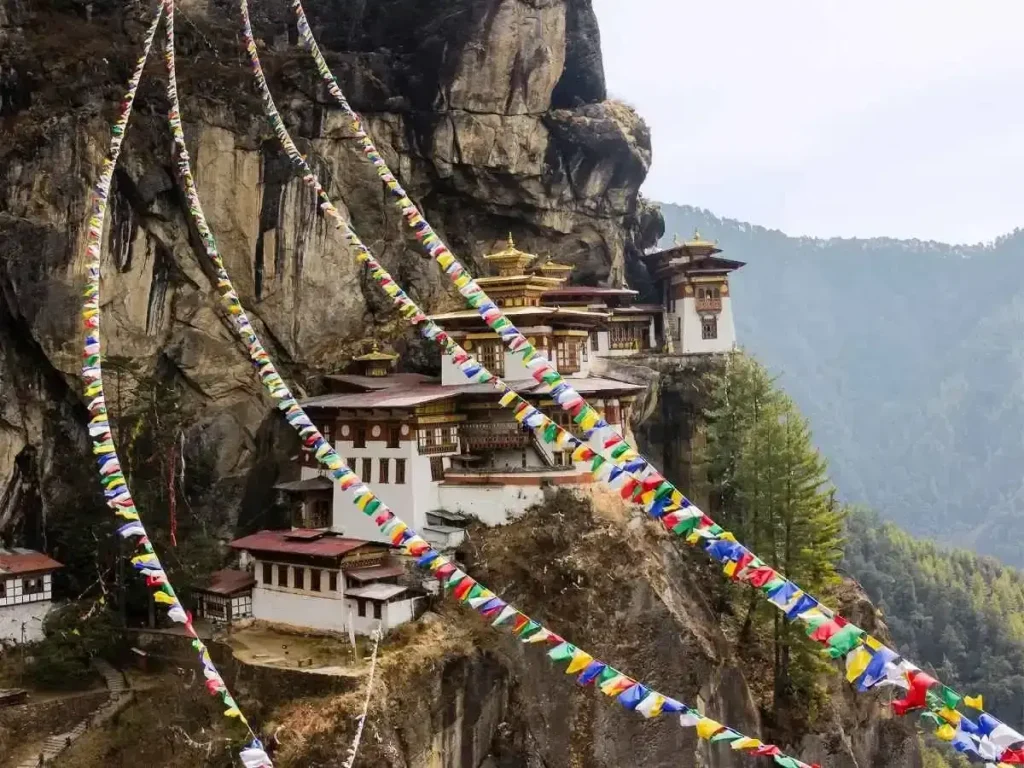
Tiger's Nest
The cliff monastery above Paro.
Itinerary at a glance
Eight days at a glance
Matches are usually played at weekends and holidays, so we plan the days around them.
Day 1: Arrive in Paro
Land in Paro.
Day 2: To Thimphu
Drive to Thimphu, Changlimithang archery ground.
Day 3: Archery lesson
Learn to shoot a bamboo bow, visit a bow maker.
Day 4: To Punakha
Over Dochula to Punakha, khuru in a village.
Day 5: Punakha village games
Degor, Chimi Lhakhang and a farmhouse lunch.
Day 6: Back to Paro, a friendly match
Drive to Paro, your own match.
Day 7: Tiger's Nest
Hike to Paro Taktsang.
Day 8: Depart
Transfer to Paro airport.
Day 1
Arrive in Paro
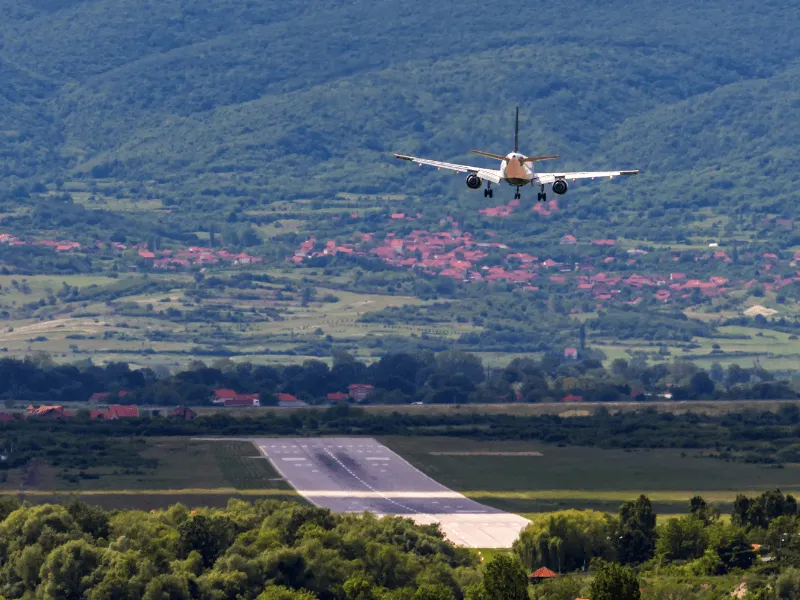
Your guide meets you at Paro airport. After lunch you walk through Paro town and down to Rinpung Dzong. In the late afternoon, if there is a match at the Paro archery ground, you watch the teams in action and your guide explains the rules and rituals.
- Overnight: Paro
- Altitude: about 2,200 metres
- Meals: lunch and dinner
Day 2
Thimphu and Changlimithang
You drive to Thimphu and visit Changlimithang, the national stadium, beside which is the main archery ground of the capital. Most days there is a match or practice here, and at weekends there can be several. In the afternoon you visit the Memorial Chorten, the Buddha Dordenma and Tashichho Dzong.
- Overnight: Thimphu
- Drive: about 1.5 hours
- Meals: breakfast, lunch and dinner
Day 3
Your archery lesson
In the morning you visit a craftsman who makes traditional bows and arrows from bamboo, and learn how they are shaped, glued and fletched. Then a local archer gives you a lesson, at a shorter range than the 145 metre match distance. In the afternoon you visit the Folk Heritage Museum and the National Institute for Zorig Chusum.
- Overnight: Thimphu
- Lesson: about 2 hours
- Meals: breakfast, lunch and dinner
Day 4
Khuru in the village
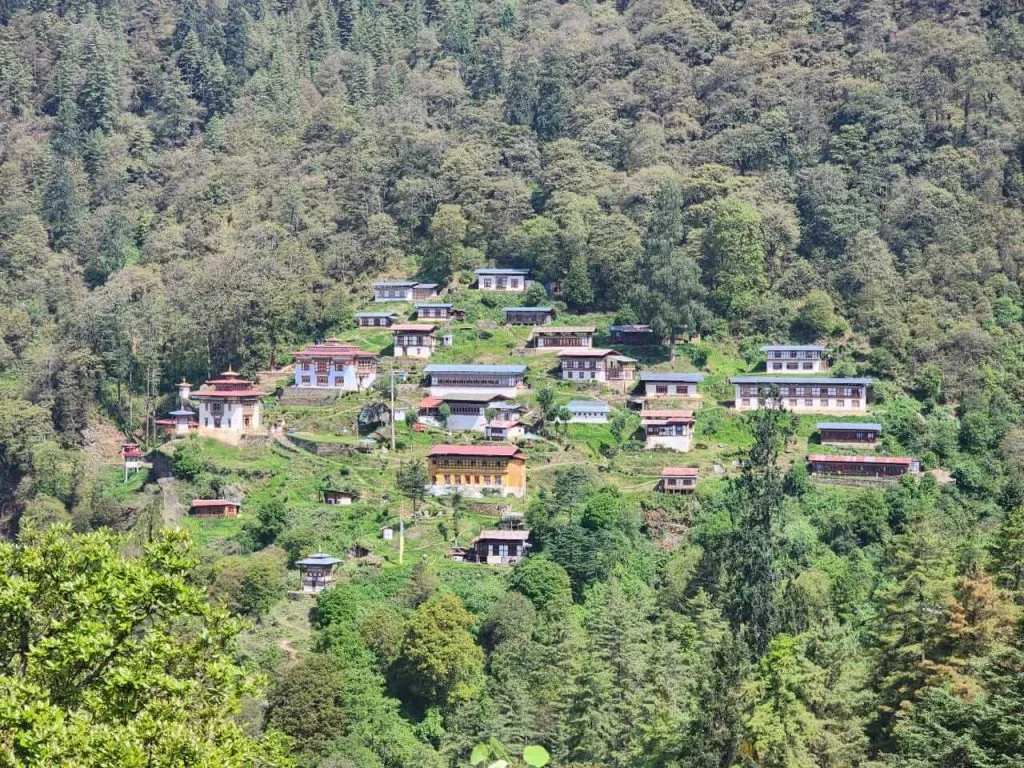
You cross Dochula to Punakha and visit Punakha Dzong. In the afternoon you join villagers near Lobesa for a game of khuru. The darts are heavy and the target is small, so it takes a few throws to get the feel. The game ends, as it often does, with tea and snacks in a farmhouse.
- Overnight: Punakha
- Drive: about 3 hours
- Activity: khuru with villagers
Day 5
Degor and Chimi Lhakhang
In the morning you walk through rice fields to Chimi Lhakhang, then try degor, the stone-throwing game, with local players. After a farmhouse lunch you walk across the suspension bridge over the Pho Chhu or, if you prefer, raft the calm Mo Chhu.
- Overnight: Punakha
- Walk: about 1 hour
- Optional: rafting
Day 6
Your own match
You drive back over Dochula to Paro. In the afternoon we arrange a friendly match: archery or khuru, depending on what you enjoyed most, against a local team. Your guide and driver usually join your side, and the evening ends with dinner and stories.
- Overnight: Paro
- Drive: about 4.5 hours
- Activity: friendly match
Day 7
Hike to the Tiger's Nest
The hike to Paro Taktsang, the Tiger’s Nest, takes five to six hours return. The path climbs through blue pine forest to a cafeteria with a clear view of the monastery, then on to the cliff itself at about 3,120 metres, where Guru Rinpoche is said to have meditated in the 8th century.
- Overnight: Paro
- Hike: 5 to 6 hours return
- Altitude: about 3,120 metres
Day 8
Fly home
After breakfast your guide drives you to Paro airport for your flight home.
- Transfer: about 15 minutes
- Meals: breakfast
Where you stay
Where you stay
Comfortable hotels throughout.
| Nights | Place | Where you stay | Why we chose it |
|---|---|---|---|
| 1, 6 and 7 | Paro | 3-star or 4-star hotel | Luxury upgrades available |
| 2 and 3 | Thimphu | 3-star or 4-star hotel | Near Changlimithang |
| 4 and 5 | Punakha | 3-star or 4-star hotel | Valley views |
A farmhouse night in Punakha or Paro can be added.
What the price covers
Included and not included
Included
- Bhutan visa (USD 40) and the Sustainable Development Fee for every night
- Hotels as listed, 3-star as standard, with 4-star and luxury upgrades on request
- All meals: breakfast, lunch and dinner
- A licensed English-speaking guide for the whole trip
- Private car or SUV with a Bhutanese driver, and all transfers
- Entry fees to dzongs, temples and museums
- Bottled water in the car
- Archery lesson with a local archer
- Khuru and degor sessions with village teams
- A friendly match with a local team
Not included
- International flights into and out of Paro (we can book them for you)
- Travel insurance, which we strongly recommend
- Drinks, laundry and other personal costs
- Tips for your guide and driver
- Anything not listed under included
- Bows, arrows and other purchases
Price on request
Tell us your budget and we will send our best price
We don’t publish one fixed price, because hotels, season and group size change the total a lot. Tell us your dates, who is travelling and the budget you have in mind. We will reply within 24 hours with our best price for this traditional sports and culture tour.
How we price
What decides the cost of this trip
Government fees
The SDF is USD 100 per adult per night until 31 August 2027, plus a USD 40 visa. These are fixed by the Government of Bhutan and paid through us.
Hotels you choose
Group size and hotel style change the total most.
Season and dates
Spring and autumn are peak season. Winter and summer dates are often easier to price well.
Group size
Guide and car costs are shared, so the price per person drops for two, three or four travellers.
We send a written, itemised quote before you pay anything. No booking fees.
Good to know
Bhutan's traditional sports
How an archery match works
Two teams shoot at two small wooden targets about 145 metres apart, walking from one end to the other between rounds. A hit earns points, and a hit on the bullseye earns more. When an archer hits, his teammates dance a short victory dance and sing, and he may tuck a coloured scarf into his belt. The other team shout, joke and try to put him off. Matches can last all day, with breaks for food, and big tournaments go on for several days.
Bamboo bows and compound bows
Traditional Bhutanese archery uses bows and arrows made from bamboo. Since the 1990s many archers have switched to imported compound bows, which are more accurate. Today both are used, and many tournaments have separate categories. The government and the Bhutan Archery Federation promote traditional archery so that the bamboo craft is not lost.
Other games to try
Khuru uses heavy wooden darts with feather flights thrown at a small target about 20 metres away. Degor uses flat stones thrown at a peg. Soksum is a javelin game and pungdo is a stone put. Keshey, wrestling, is less common today but is still seen at some festivals. Each game has its own songs and customs, and your guide will explain them as you play.
Watching a match safely
Arrows travel fast and the targets are far away, so spectators stand well to the side of the range, never in front of the targets. Follow your guide’s lead about where to stand. Players are usually happy to be photographed, but ask first and keep clear of the shooting line.
Temple etiquette
Cover shoulders and knees in dzongs and temples, take off hats, and walk clockwise around chortens and prayer wheels. Photography is not allowed inside shrine rooms. Your guide explains each place before you go in. Read more in our Bhutan travel rules guide.
Best time to go
March to May brings rhododendrons and warm valley days. October and November have the clearest skies and the best mountain views. December to February is cold, bright and quiet, with cranes in Phobjikha. June to August is the monsoon: green and peaceful, with rain most afternoons. Our month-by-month guide has more detail.
Visa, SDF and guide rules
Every visitor except Indian nationals needs a visa, which costs USD 40 and is issued online before you fly. The Sustainable Development Fee is USD 100 per adult per night until 31 August 2027, with half rates for children aged 6 to 11. A Department of Tourism notice from April 2026 confirms that visitors travel with a licensed guide. We file the visa and pay the SDF for you. Read more in our Bhutan visa guide and SDF guide.
Flying into Paro
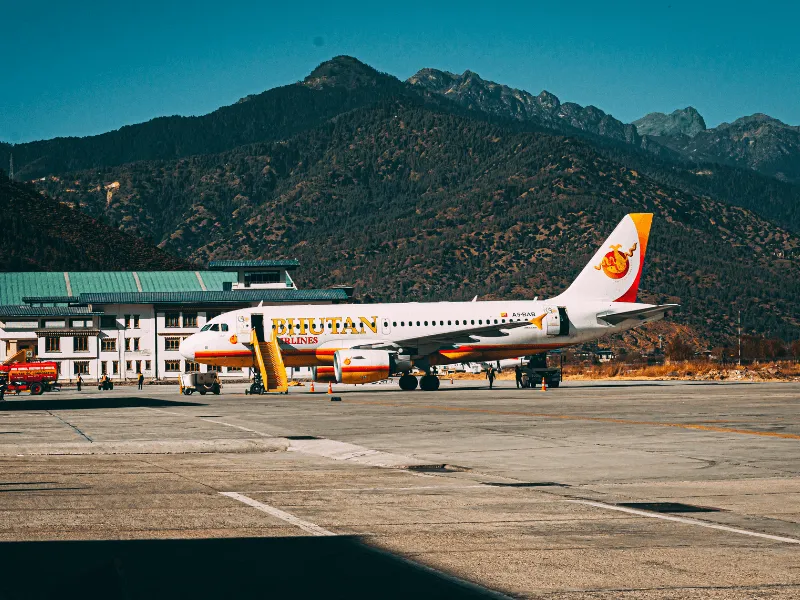
Only Drukair and Bhutan Airlines fly into Paro, mainly from Bangkok, Delhi, Kathmandu, Kolkata and Singapore. Pilots land by sight between the ridges, so morning flights are the most reliable. We suggest a night in your hub city on the way in. Our flights to Bhutan page lists every route.
Traditional sports tour: questions
It depends on your hotels, group size and dates. Tell us your budget and we will reply within 24 hours with our best price, including the SDF, visa, hotels, meals, guide and car.
Archery, declared the national sport in 1971.
Yes. You take a lesson with a local archer at a shorter range.
A traditional darts game played with heavy wooden darts over about 20 metres.
Most weekends and public holidays, and at festivals such as Losar.
Yes. Women’s archery is growing, and women play khuru and degor too.
Yes, for children who can follow safety rules around the archery range.
Two to four months ahead.
Price on request
Ask for your best price
Tell us when you would like to travel and your budget. We will reply within 24 hours with our best price for this traditional sports and culture tour.
- Share your budget, we shape the trip around it
- No booking fees, ever
- A reply within 24 hours
- Licensed Bhutanese tour operator
- +975 17533776
- +975 77495028
- info@deyabhutantours.com
- Thimphu, Bhutan
Let's plan your Bhutan journey
Tell us a little about your trip. Our team in Thimphu will reply with ideas, a day-by-day plan and a full price.
We’ll reply within 24 hours. No booking fees, and no obligation to book.